
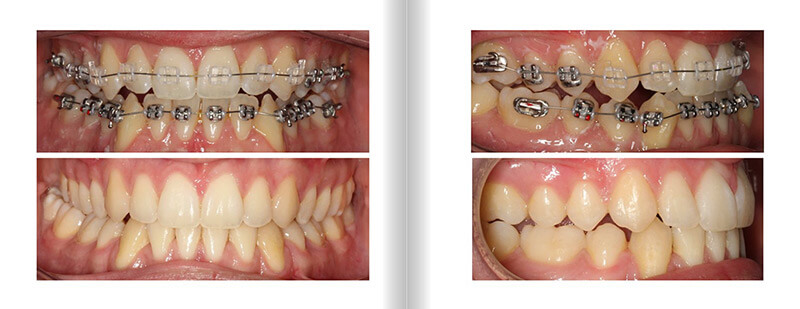
Braces are a common orthodontic treatment designed to correct misaligned teeth and jaws, which can improve oral health and enhance a child’s confidence. Deciding when your child should start treatment with braces can be a challenging decision for many parents. It involves considering various factors such as the child’s age, the severity of the dental issue, and the orthodontist’s recommendation. This article aims to guide parents through the process of determining the optimal time for their child to begin orthodontic treatment.
Understanding the Ideal Age for Braces
While there is no universal age for a child to begin orthodontic treatment, there are general guidelines that can help parents make informed decisions. Typically, children should have an initial orthodontic evaluation by the age of 7. This is because by this age, most children have a mix of baby teeth and adult teeth, allowing the orthodontist to identify potential issues early on.
Factors Influencing the Timing of Treatment
- **Dental Development:** The eruption of permanent teeth can influence the timing of braces. Early evaluation helps in planning the treatment effectively.
- **Severity of the Malocclusion:** The complexity of the child’s dental issue, such as severe crowding or bite problems, can necessitate earlier intervention.
- **Orthodontist’s Recommendation:** Professional advice is crucial. An orthodontist can assess the need and timing for braces based on a comprehensive examination.
- **Child’s Maturity Level:** The child’s ability to care for braces is also a consideration. Some children may not be ready to handle the responsibility of maintaining braces at a younger age.
Explore further insights here to better understand the factors influencing orthodontic treatment timing.
Types of Orthodontic Issues
Different orthodontic problems may require varying treatment times. Here are some common issues that braces can address:
- **Overcrowding:** This occurs when there is not enough space in the mouth for teeth to grow properly.
- **Overbite or Underbite:** Both conditions involve the misalignment of the upper and lower jaws and can affect chewing and speech.
- **Crossbite:** This issue arises when the upper teeth do not align with the lower teeth during a bite.
- **Spacing Issues:** Gaps between teeth, which can be a result of missing teeth or excessive space in the dental arch.
Find additional information here about orthodontic problems that may require braces.
Benefits of Early Orthodontic Intervention
Starting treatment at the right time can yield numerous benefits, including:
- **Prevention of More Serious Problems:** Early intervention can address issues before they become more severe, potentially reducing the need for complex treatments later.
- **Improved Oral Health:** Properly aligned teeth are easier to clean, reducing the risk of cavities and gum disease.
- **Enhanced Self-Esteem:** Correcting dental issues can boost a child’s confidence and social interactions.
Learn more in this detailed guide about the advantages of timely orthodontic care and how it can positively impact your child’s life.
Steps to Take Before Starting Treatment
To ensure a smooth experience for both the child and parents, consider the following steps:
- **Consultation with an Orthodontist:** Schedule an initial evaluation to discuss potential treatment options and timelines.
- **Understanding Treatment Options:** Familiarize yourself with the types of braces available and their respective benefits.
- **Financial Planning:** Consider the cost of treatment and explore insurance coverage or payment plans.
- **Preparing Your Child:** Talk to your child about what to expect and the importance of following the orthodontist’s instructions.
For more information on preparing for orthodontic treatment, read more about this topic.
Conclusion
Deciding when your child should start treatment with braces is a crucial decision that can affect their oral health and self-confidence. By understanding the factors that influence this decision and consulting with an orthodontist, parents can ensure their child receives the appropriate care at the right time. For further guidance and specific recommendations tailored to your child’s needs, explore further insights here.