
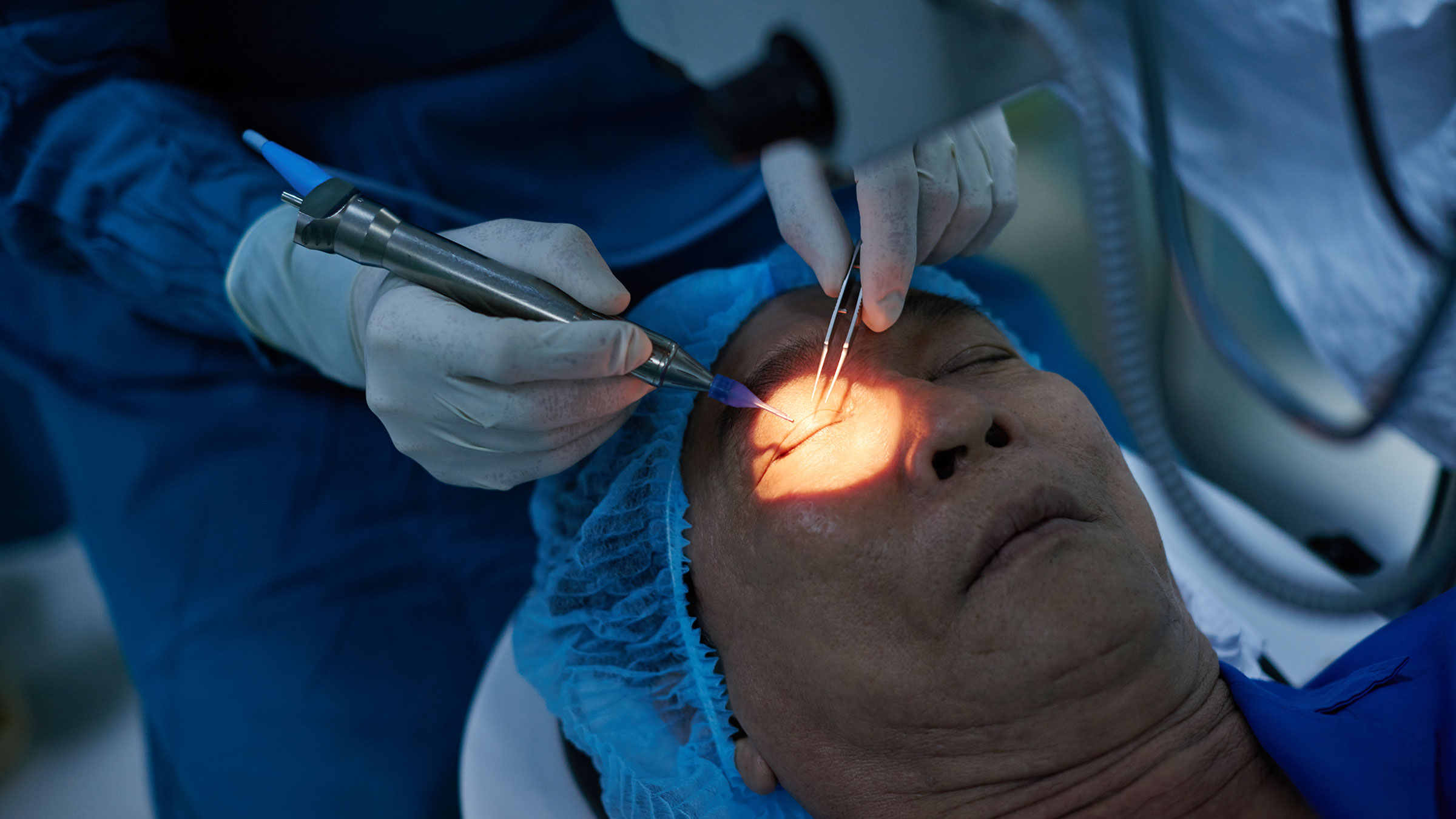
Understanding the Role of Surgery in Glaucoma Treatment
Glaucoma is a group of eye conditions that can cause blindness if not treated effectively. As a leading cause of irreversible blindness globally, understanding the comprehensive treatment options available is crucial. While medications and laser treatments are often the first line of defense, surgery plays a pivotal role in managing more complex cases. This article delves into the surgical aspect of glaucoma treatment, exploring when it is necessary, the types of surgeries available, and the potential outcomes.
When is Surgery Needed for Glaucoma?
Surgery is typically considered when other treatments fail to adequately control intraocular pressure (IOP), the primary risk factor for glaucoma progression. Patients who experience significant visual field loss or optic nerve damage despite using medications or undergoing laser therapy might require surgical intervention.
Key Indicators for Surgical Intervention
- High IOP that is not responsive to medication
- Progressive optic nerve damage
- Inability to adhere to medication regimen
- Severe side effects from medications
Types of Glaucoma Surgeries
Glaucoma surgery aims to either reduce the production of aqueous humor or enhance its outflow, thereby lowering IOP. There are several surgical options, each suited to different types and stages of glaucoma. Discover expert strategies here.
Trabeculectomy
Trabeculectomy is one of the most common glaucoma surgeries. It involves creating a drainage flap to allow fluid to escape, reducing eye pressure. This procedure is often recommended when other less invasive treatments have failed.
Glaucoma Drainage Devices
Also known as shunts or implants, these devices facilitate fluid drainage from the eye. They are particularly beneficial for patients with secondary glaucomas or those who have had previous unsuccessful surgeries. Learn about our tailored solutions.
Minimally Invasive Glaucoma Surgery (MIGS)
MIGS represents a newer category of surgical procedures that aim to lower IOP with a reduced risk of complications. These procedures are typically less invasive and offer quicker recovery times compared to traditional surgeries. Explore advanced guides and tips.
Post-Surgical Care and Outcomes
Successful glaucoma surgery can significantly lower eye pressure and prevent further vision loss. However, it requires careful post-operative care and monitoring. Patients must adhere to a follow-up schedule to ensure optimal healing and function.
Expectations After Surgery
- Initial discomfort and blurred vision, which typically improve over time
- Regular follow-up appointments to monitor IOP and assess healing
- Possible need for continued use of eye drops to manage pressure
Glaucoma surgery is a critical component in the comprehensive management of the disease, allowing patients to maintain their quality of life. Choosing the right surgical option depends on individual circumstances and should be discussed thoroughly with a qualified ophthalmologist. Find out more about this approach.