
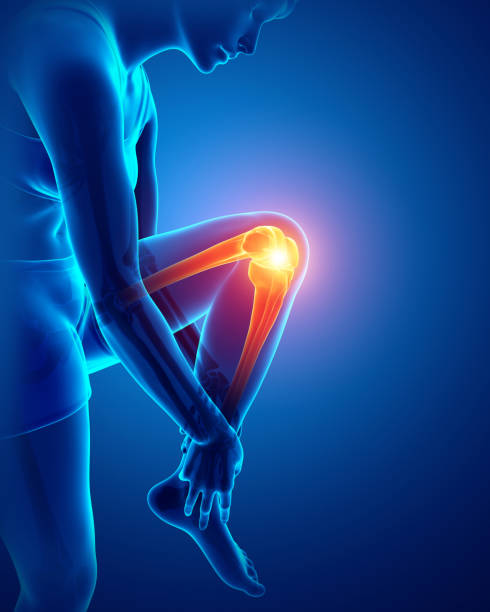
Chronic knee pain is a prevalent issue affecting numerous individuals in Newport Beach, impacting their quality of life and daily activities. This condition can arise from various factors, including injuries, degenerative diseases, and inflammatory conditions. Understanding the causes, symptoms, and available treatment options is crucial for managing and alleviating knee pain effectively. This article aims to provide a comprehensive guide on chronic knee pain, offering insights into potential causes, symptoms to watch for, and possible treatment avenues.
Common Causes of Chronic Knee Pain
Knee pain can result from a myriad of reasons, each requiring a specific diagnostic approach. Some of the most common causes include:
- Osteoarthritis: A degenerative joint disease that results in the wearing down of cartilage in the knee.
- Rheumatoid Arthritis: An autoimmune condition leading to painful inflammation in the knee joint.
- Injuries: Such as ligament tears, tendonitis, or fractures can lead to long-term knee pain if not properly treated.
- Bursitis: Inflammation of the bursa, a small fluid-filled sac cushioning the knee joint, often due to repetitive motion or trauma.
To better understand each of these causes and their impact on knee health, explore advanced guides and tips.
Symptoms and Diagnosis
Recognizing the symptoms of chronic knee pain is the first step towards effective treatment. Common symptoms include:
- Persistent pain and tenderness in the knee joint
- Swelling and stiffness, especially after periods of inactivity
- Redness and warmth around the knee
- Reduced range of motion and difficulty walking
Early diagnosis is crucial for managing chronic knee pain. Medical professionals typically conduct a thorough physical examination, accompanied by imaging tests such as X-rays or MRIs to identify the root cause of the pain. For more on diagnostic methods, find out more about this approach.
Effective Treatment Options
Conservative Treatments
For many patients, non-surgical treatments offer significant relief from knee pain. These may include:
- Physical Therapy: Tailored exercises aimed at strengthening the muscles around the knee, improving flexibility, and reducing pain.
- Medications: Nonsteroidal anti-inflammatory drugs (NSAIDs) and pain relievers can help manage pain and inflammation.
- Injections: Corticosteroid or hyaluronic acid injections can provide temporary relief from pain and inflammation.
To discover expert strategies for managing knee pain, learn about our tailored solutions.
Surgical Interventions
When conservative measures fail to alleviate chronic knee pain, surgical options may be considered. These include:
- Arthroscopy: A minimally invasive procedure used to diagnose and treat joint problems.
- Partial Knee Replacement: Replacing only the damaged parts of the knee joint while preserving healthy bone and tissue.
- Total Knee Replacement: A more extensive surgery where the entire knee joint is replaced with an artificial one.
Before considering surgery, it is essential to explore advanced guides and tips to weigh the benefits and risks.
Preventive Measures
Preventing knee pain is often about maintaining a healthy lifestyle and paying attention to body mechanics. Consider these preventive strategies:
- Maintain a healthy weight to reduce stress on the knees.
- Engage in regular low-impact exercises such as swimming or cycling.
- Wear supportive footwear and avoid high heels.
- Practice proper techniques when lifting heavy objects to avoid knee strain.
By incorporating these measures, individuals can significantly reduce their risk of developing chronic knee pain. To discover expert strategies here for maintaining knee health and preventing pain, consider consulting with a healthcare professional.