
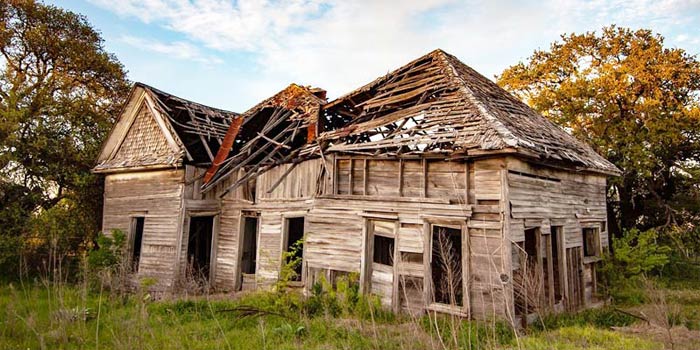
Selling abandoned property can be a lucrative opportunity for those looking to capitalize on real estate that is often overlooked. However, the process can be complex and requires a thorough understanding of legal, financial, and practical considerations. This guide will provide a comprehensive overview of the steps involved in selling abandoned properties, from determining ownership to closing the sale, ensuring a smooth and successful transaction.
Understanding Abandoned Properties
Abandoned properties can range from homes left vacant for years to commercial real estate that has fallen into disuse. Understanding the nature of these properties is crucial before proceeding with a sale. Generally, a property is considered abandoned when the owner has intentionally relinquished possession without transferring ownership or a tenant has vacated the premises without notifying the landlord.
Common Characteristics
- Long periods of vacancy
- Neglected maintenance and repairs
- Unpaid property taxes or utility bills
- Absence of personal belongings
Legal Considerations
Engaging in the sale of an abandoned property involves navigating various legal hurdles. It’s essential to verify ownership and ensure that the transaction complies with local laws and regulations.
Determining Ownership
Before attempting to sell abandoned property, confirm the legal owner. This may require conducting a title search through a local government office or enlisting the help of a real estate attorney. If ownership is unclear, legal proceedings may be necessary to establish rightful ownership.
Compliance with Local Laws
- Research zoning laws and land use regulations
- Ensure compliance with property tax laws
- Obtain necessary permits for any repairs or renovations
Preparing the Property for Sale
Once legal matters are settled, the next step is to prepare the property for sale. This involves assessing the property’s condition and making necessary improvements to enhance its marketability.
Property Assessment
Conduct a thorough inspection to identify any issues that may affect the property’s value. Consider hiring a professional inspector to provide a detailed report on structural integrity, electrical systems, plumbing, and more.
Improvements and Repairs
- Address safety hazards and code violations
- Perform cosmetic upgrades, such as painting and landscaping
- Consider affordable renovations that offer high returns
Marketing and Selling the Property
Effectively marketing an abandoned property requires strategic planning and execution. Targeting the right audience and using appropriate channels are key to attracting potential buyers.
Targeting the Right Buyers
Identify potential buyers who may be interested in an abandoned property, such as real estate investors looking for a fixer-upper or individuals seeking affordable housing options. Tailor marketing efforts to appeal to these groups.
Utilizing Marketing Channels
- Create a compelling listing with high-quality photos and detailed descriptions
- Leverage online platforms and social media to reach a wider audience
- Consider traditional methods, such as flyers and open houses
Closing the Sale
The final step in selling an abandoned property is closing the sale. This involves finalizing the terms of the sale, transferring ownership, and ensuring all legal and financial obligations are met.
Negotiating the Sale
Engage in negotiations with potential buyers to reach a mutually agreeable price. Be prepared to justify the asking price with evidence of improvements and market comparisons.
Finalizing the Transaction
- Review and sign the purchase agreement
- Coordinate with a title company or attorney to transfer ownership
- Ensure all closing costs and taxes are paid
Selling abandoned property can be a rewarding endeavor with the right knowledge and preparation. By understanding the complexities involved and following a structured approach, sellers can maximize their returns while minimizing potential risks.