
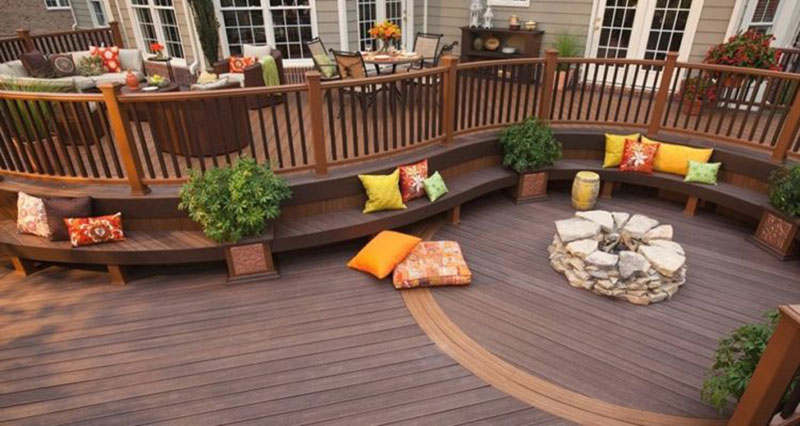
Creating an inviting and functional outdoor living space is an increasingly popular trend among homeowners. As people seek to extend their living areas beyond the confines of their homes, the potential for outdoor spaces to become areas of relaxation, entertainment, and culinary indulgence is being realized. From intimate gardens to expansive decks, designing an outdoor living space requires careful planning and consideration. This guide will walk you through essential elements to consider when designing the perfect outdoor retreat, ensuring it aligns with your lifestyle and enhances your property’s value.
Understanding the Purpose of Your Outdoor Space
Before embarking on the design journey, it is crucial to define the purpose of your outdoor living space. This decision will influence every aspect of the design, from the layout to the selection of materials. Consider the following potential uses:
- Relaxation: A quiet space with comfortable seating for unwinding after a long day.
- Entertaining: An area equipped with a dining table and BBQ for hosting gatherings.
- Gardening: Space for raised beds, planters, or a greenhouse to cultivate plants.
- Play: Safe areas for children to play, possibly including a sandbox or swing set.
Once the primary function is determined, it will guide the size, layout, and features of the space.
Choosing the Right Location
Location plays a pivotal role in the success of an outdoor living space. Factors to consider include:
- Sun Exposure: Decide whether you prefer a sun-drenched area or a shaded retreat.
- Privacy: Use fences, trellises, or strategic landscaping to create a private sanctuary.
- Proximity to the Home: Ensure easy access from the house, especially if the space will be used for dining or cooking.
- Views: Take advantage of scenic vistas while also considering how to screen less appealing views.
Selecting Materials and Furnishings
Decking and Flooring Options
The choice of flooring is crucial as it impacts both aesthetics and functionality. Popular options include:
- Composite Decking: Known for its durability and low maintenance, it is a practical choice for many homeowners.
- Natural Stone: Offers a timeless look and is ideal for high-traffic areas.
- Concrete: Versatile and can be stained or stamped for a variety of finishes.
Each material has its pros and cons, so consider factors such as climate, maintenance, and budget when making a selection.
Furniture and Accessories
Furniture selection should be guided by the intended use of the space. Consider:
- Seating: Choose weather-resistant materials and comfortable cushions.
- Tables: Opt for sizes that accommodate the number of expected guests.
- Lighting: Incorporate ambient, task, and accent lighting for a well-rounded atmosphere.
Incorporating Greenery and Landscaping
Plants and landscaping elements can transform an outdoor space into a lush retreat. Consider these tips:
- Planters: Use them to add color and define areas within the space.
- Vertical Gardens: Ideal for small spaces, they maximize greenery without requiring much ground area.
- Water Features: A small fountain or pond can enhance the tranquility of the space.
Considering Maintenance and Sustainability
While designing, think about the long-term maintenance of the space. Options to consider include:
- Low-Maintenance Plants: Choose native or drought-tolerant species to reduce watering and upkeep.
- Recycled Materials: Opt for sustainable building materials to minimize environmental impact.
- Efficient Irrigation: Implement systems like drip irrigation to conserve water.
By integrating these elements thoughtfully, an outdoor space can be both beautiful and sustainable.
Designing an outdoor living space is a rewarding endeavor that can significantly enhance the quality of life and the value of a property. By considering the purpose, location, materials, and sustainability, homeowners can create a personalized oasis that serves as an extension of their indoor living areas. For more inspiration and guidance, consider exploring resources on outdoor living spaces.