
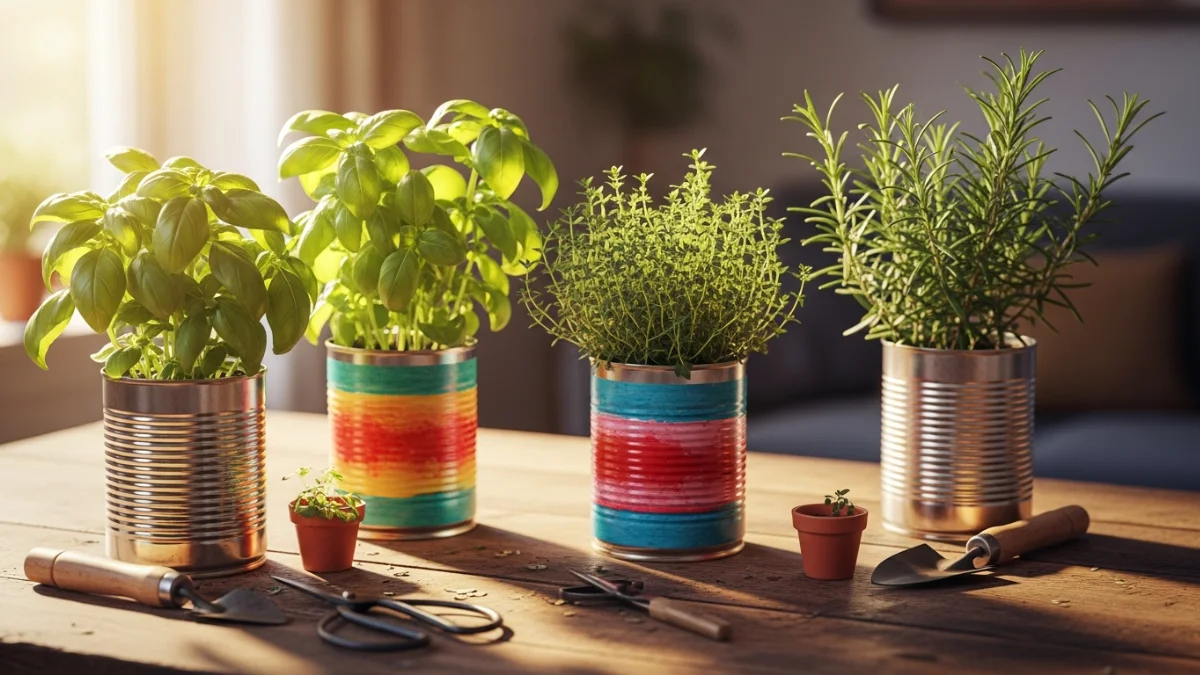
Gardening can be a rewarding hobby, offering a chance to connect with nature and enjoy the fruits of your labor. Whether you have a sprawling backyard or a small balcony, starting a garden is a fulfilling endeavor. For beginners, the world of gardening might seem daunting, but with the right advice and practical tips, anyone can cultivate a thriving garden. This article will provide you with essential gardening advice, from selecting the right plants to maintaining your garden throughout the seasons. By the end of this guide, you will feel equipped to start your own gardening journey with confidence.
Choosing the Right Plants
Selecting the right plants is crucial for any beginner gardener. The key is to start small and consider the following factors:
- Climate: Understand your local climate and choose plants that thrive in those conditions. Research your hardiness zone to determine the best options.
- Space: Evaluate the space you have available, whether it’s a backyard, balcony, or windowsill.
- Maintenance: Consider how much time you can dedicate to your garden. Some plants require more care than others.
- Purpose: Decide if you want to grow vegetables, herbs, flowers, or a mix of these. Each type has its own requirements.
For a deeper understanding of plant selection, find additional information here.
Essential Tools and Supplies
Having the right tools and supplies can make a significant difference in the ease and efficiency of your gardening efforts. Here’s a checklist of must-have items for beginners:
- Hand Trowel: Ideal for planting, transplanting, and digging small holes.
- Pruning Shears: Essential for cutting back plants and maintaining healthy growth.
- Garden Hose or Watering Can: Ensure your plants receive adequate hydration.
- Gloves: Protect your hands from dirt and potential injuries.
- Soil: Choose the right type of soil for your plants to ensure proper growth and nutrition.
To learn more about gardening tools and their uses, explore further insights here.
Soil Preparation and Planting
Preparing the Soil
Proper soil preparation is the foundation of a successful garden. Follow these steps to ensure your soil is ready for planting:
- Test the Soil: Determine the pH and nutrient levels to understand what amendments might be needed.
- Amend the Soil: Add compost or other organic matter to improve soil fertility and structure.
- Loosen the Soil: Use a spade or tiller to break up compacted soil and improve aeration.
Planting Techniques
Once your soil is prepared, it’s time to plant. Keep these tips in mind:
- Follow Planting Depth Guidelines: Each plant has specific depth requirements for optimal growth.
- Space Plants Appropriately: Overcrowding can lead to competition for resources and increase disease risk.
- Water Thoroughly: After planting, water the area well to settle the soil and provide initial moisture.
For detailed planting techniques, learn more in this detailed guide.
Maintaining Your Garden
Regular maintenance is key to a vibrant garden. Incorporate these practices into your routine:
- Watering: Adjust watering frequency based on weather and plant needs. Avoid overwatering, which can lead to root rot.
- Weeding: Regularly remove weeds to prevent competition with your plants.
- Pruning: Trim plants to promote healthy growth and remove dead or diseased parts.
- Pest Control: Monitor for pests and use natural or chemical control methods as necessary.
For more tips on maintaining a healthy garden, read more about this topic.