
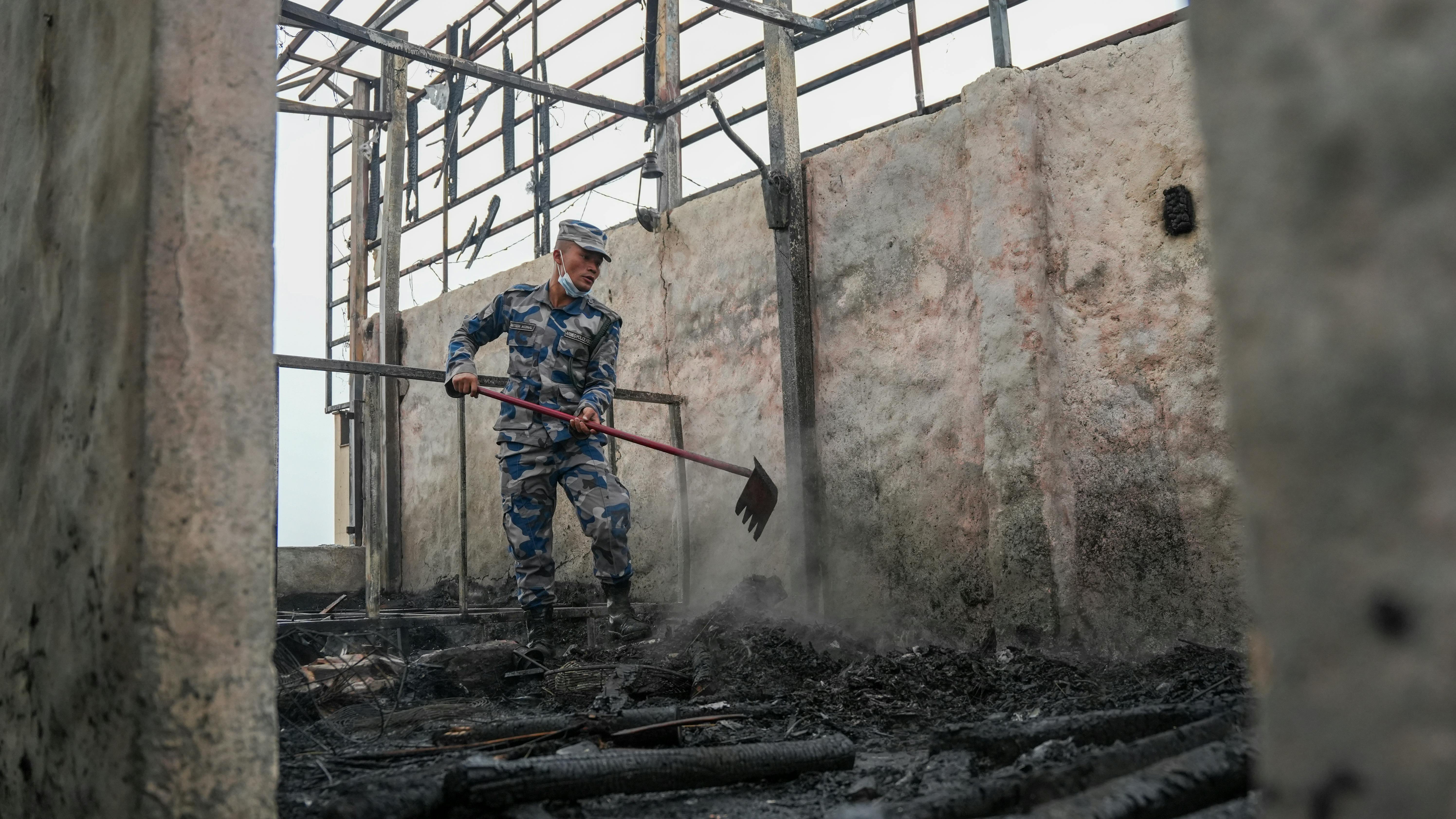
Fire and smoke damage can be devastating, leaving homeowners with the daunting task of restoration and cleanup. It is crucial to engage with a trusted fire and smoke damage restoration service to ensure the property is returned to its pre-damage condition efficiently and safely. Expertise in handling the unique challenges posed by fire and smoke damage is essential to safeguard the structural integrity of the property and to ensure the safety of its occupants.
Understanding Fire and Smoke Damage
Fire and smoke damage involves more than just the visible destruction. It encompasses a range of issues that require professional assessment and intervention. The damage can be categorized into several types:
- Structural Damage: The integrity of walls, roofs, and foundations may be compromised, necessitating thorough inspection and repair.
- Smoke Odor: Persistent odors can linger long after the fire is extinguished, requiring specialized deodorization techniques.
- Soot Residue: Soot can infiltrate surfaces and fabrics, posing health risks and requiring meticulous cleaning.
- Water Damage: Water used in firefighting efforts can lead to additional complications such as mold growth.
To effectively address these issues, professional restoration services employ a comprehensive approach. Discover expert strategies here to understand how detailed assessments are conducted before restoration begins.
Key Steps in Fire and Smoke Damage Restoration
Professional restoration follows a series of structured steps to ensure thorough recovery:
1. Assessment and Inspection
The initial phase involves a detailed inspection of the property to evaluate the extent of damage. This step is crucial for developing a customized restoration plan. Find out more about this approach and how it underpins successful restoration efforts.
2. Securing the Property
Ensuring the safety and security of the property is vital. This may involve boarding up windows, placing tarps on roofs, and securing the site to prevent further damage.
3. Water Removal
Any standing water resulting from firefighting efforts is removed using industrial-grade pumps and vacuums. This prevents water damage and mold growth, setting the stage for further restoration work.
4. Soot and Smoke Removal
Specialized equipment is used to remove soot from surfaces and deodorize the environment. This stage is critical for eliminating health hazards and restoring indoor air quality. Learn about our tailored solutions for comprehensive smoke and soot removal techniques.
5. Cleaning and Sanitizing
Thorough cleaning of affected areas, including personal items, furniture, and upholstery, is conducted. Sanitization ensures that the space is safe for occupancy.
6. Restoration and Repairs
This final phase involves repairing and restoring damaged structures and belongings. It may include reconstruction efforts to return the property to its pre-incident state.
Choosing the Right Restoration Service
When selecting a fire and smoke damage restoration service, consider the following factors:
- Certification and Licensing: Ensure the service provider is certified and licensed to perform restoration work.
- Experience and Expertise: Choose a provider with a proven track record in handling fire and smoke damage.
- Comprehensive Services: Opt for a service that offers end-to-end solutions, from assessment to complete restoration.
- Customer Reviews: Research customer feedback to gauge satisfaction levels and service quality.
For a deeper understanding of selecting the right service, explore advanced guides and tips tailored to help homeowners make informed decisions.
In conclusion, addressing fire and smoke damage requires immediate and professional intervention. By choosing a reliable restoration service, homeowners can ensure their property is restored effectively and efficiently, minimizing disruption and ensuring a safe environment for all occupants.