
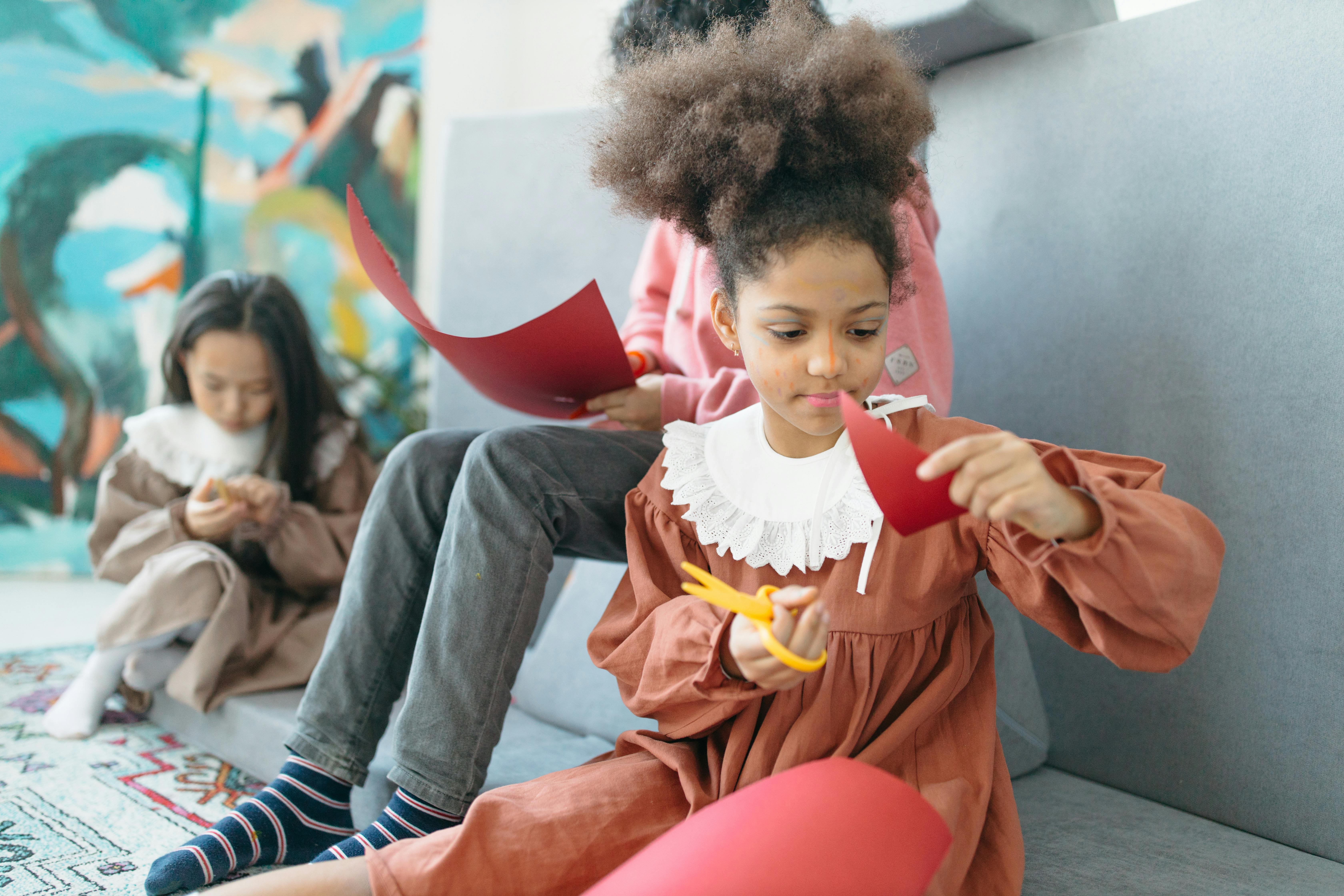
Transitioning to adolescence is a pivotal stage in a child’s development, marked by rapid physical, emotional, and intellectual growth. This period can be challenging not only for the children but also for educators and parents. Middle school Montessori programs offer a unique approach to support this transition by fostering independence, responsibility, and self-directed learning. Integrating the Montessori philosophy during these transformative years provides students with a nurturing environment that respects their individuality and promotes personal growth.
Understanding the Montessori Approach to Middle School
Middle school Montessori education emphasizes a student-centered learning environment. It is based on the core Montessori principles of respect for the child, the prepared environment, and the importance of experiential learning. Unlike traditional education systems, Montessori middle schools focus on fostering a love for learning and encouraging students to explore their interests deeply.
Key Elements of Montessori Middle School
- Individualized Learning Plans: Tailored to meet each student’s unique needs and strengths, ensuring personalized educational experiences.
- Experiential Learning: Emphasizes hands-on activities and real-world applications of knowledge to deepen understanding and engagement.
- Collaborative Projects: Encourages teamwork, communication, and problem-solving skills essential for adolescent development.
- Advisory Systems: Provides mentorship and guidance, helping students navigate the complexities of adolescence.
To delve deeper into how Montessori education can benefit middle school students, discover expert strategies here.
The Role of the Educator in Montessori Middle School
In a Montessori middle school, teachers serve as guides rather than traditional instructors. They facilitate learning by creating a prepared environment that empowers students to take charge of their education. This approach nurtures critical thinking and independence, essential skills for adolescent development.
Responsibilities of Montessori Educators
- Facilitating Learning: Encouraging self-discovery and exploration through open-ended questions and support.
- Creating a Safe Environment: Ensuring a supportive and respectful atmosphere where students feel comfortable to express themselves.
- Providing Continuous Feedback: Offering regular, constructive feedback to guide students’ personal and academic growth.
For educators seeking to implement these strategies effectively, learn about our tailored solutions to enhance the educational experience.
Benefits of Montessori Education for Adolescents
The Montessori approach to middle school education provides numerous benefits that align with the developmental needs of adolescents. These benefits include:
- Enhanced Self-Esteem: Students gain confidence as they achieve personal and academic goals in a supportive environment.
- Improved Academic Performance: The focus on individualized learning helps students excel in areas of interest and develop a strong academic foundation.
- Strong Social Skills: Collaborative projects and community involvement foster interpersonal skills and empathy.
- Preparation for Future Challenges: By promoting critical thinking and problem-solving skills, Montessori education prepares students for high school and beyond.
To explore advanced guides and tips on how Montessori education supports adolescent development, explore advanced guides and tips.
Implementing Montessori Principles at Home
Parents can also support their child’s transition to adolescence by incorporating Montessori principles at home. This approach encourages independence and responsibility, reinforcing the skills learned in school. Simple strategies include:
- Creating a Structured Environment: Designate specific areas for study and leisure to promote organization and focus.
- Encouraging Decision-Making: Allow children to make choices about their schedules and activities to build autonomy.
- Fostering Open Communication: Maintain an open dialogue about their experiences and challenges to provide guidance and support.
For more insights on applying Montessori methods at home, find out more about this approach to facilitate a seamless transition to adolescence.