
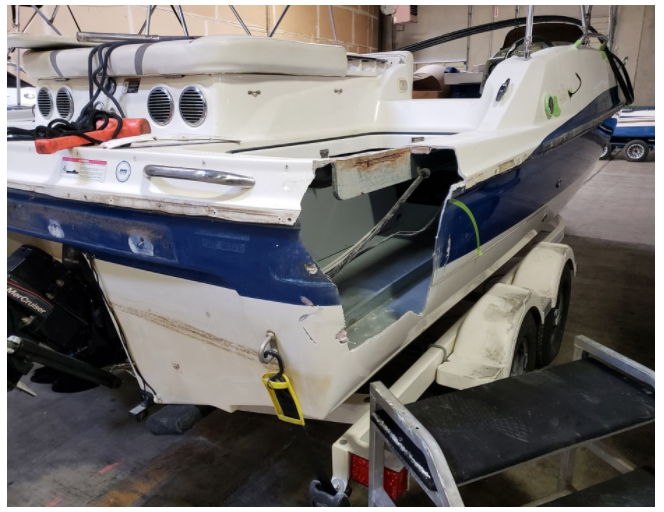
Fiberglass yachts are renowned for their strength, durability, and sleek appearance. However, like any vessel, they are susceptible to wear and damage over time. Whether due to accidental impacts, prolonged exposure to environmental elements, or general wear and tear, fiberglass yacht repair is an essential aspect of maintaining the longevity and performance of these elegant watercraft. This article delves into the top techniques for executing a successful fiberglass yacht repair, ensuring that yacht enthusiasts and professionals alike can keep their vessels in pristine condition.
Understanding the Basics of Fiberglass Repair
Before diving into the repair process, it is crucial to understand the fundamental components of fiberglass construction. Fiberglass is composed of several layers of glass fibers bound together with a resin matrix, typically polyester or epoxy, creating a robust and flexible surface. Damage to a fiberglass surface can range from minor scratches to significant structural issues, each requiring a different approach for repair.
Common Types of Damage
- Scratches and Scuffs: Typically superficial, affecting the gel coat but not penetrating the fiberglass itself.
- Cracks: Can vary in severity from hairline fractures to deeper splits that compromise structural integrity.
- Blisters: Caused by osmosis, these are pockets of trapped moisture beneath the gel coat.
Effective Repair Techniques
Addressing fiberglass damage requires precision and expertise. Here are some of the top techniques employed in successful fiberglass yacht repair:
1. Preparation and Assessment
Effective repair begins with a thorough assessment of the damage. Cleaning the affected area and removing any debris is crucial. This step often involves sanding down the surface to expose the extent of the damage and prepare it for repair. For a detailed guide on fiberglass yacht repair, consider consulting specialized resources that provide comprehensive insights.
2. Resin Application and Layering
Depending on the severity of the damage, different types of resin may be used. Polyester resins are commonly used for minor repairs, while epoxy resins offer superior strength for more significant structural repairs. The process involves:
- Mixing the resin with a suitable hardener to initiate curing.
- Applying the resin to the damaged area, ensuring even coverage.
- Layering fiberglass cloth, if necessary, to reinforce the repair.
3. Curing and Finishing
After application, allowing the resin to cure properly is essential. Curing times vary based on environmental conditions and resin type. Once cured, the area should be sanded smooth and finished with a gel coat to restore the yacht’s aesthetic appeal and protect the repair from UV damage.
Preventative Measures and Maintenance
Regular maintenance and preventative measures can significantly reduce the frequency of repairs needed. These include:
- Conducting regular inspections for early detection of potential issues.
- Applying protective coatings to shield against UV rays and water absorption.
- Promptly addressing minor damages to prevent escalation.
Conclusion
Mastering the art of fiberglass yacht repair not only prolongs the life of the vessel but also ensures it remains a safe and enjoyable means of exploring the waters. By understanding the types of damage, employing effective repair techniques, and maintaining a proactive approach to yacht care, enthusiasts can enjoy their fiberglass yachts for many seasons to come. For those seeking expert assistance, exploring professional services in fiberglass yacht repair can provide peace of mind and exceptional results.