
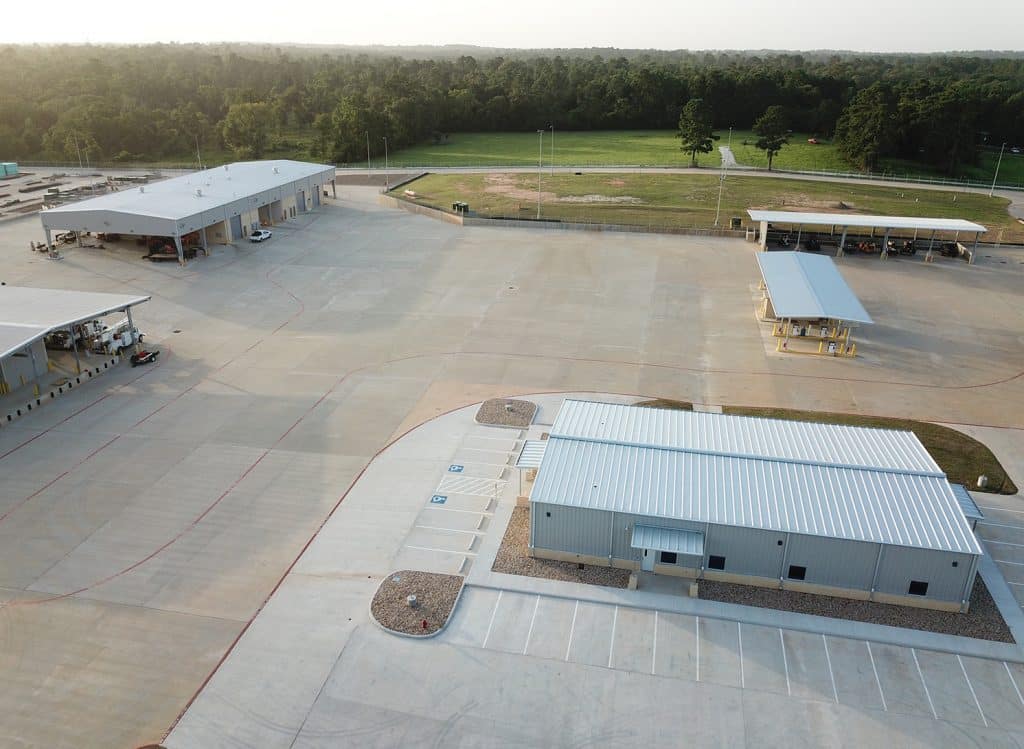
Tilt-up construction is swiftly becoming a preferred method in the building industry, renowned for its cost-efficiency, speed, and versatility. This innovative technique involves pouring concrete panels on-site and then tilting them into position to form the exterior walls of a building. As the demand for quick and affordable construction increases, tilt-up is proving to be a viable solution for a range of projects, from commercial warehouses to schools and office buildings. With its impressive benefits, tilt-up construction is changing the landscape of modern architecture and offering new possibilities for efficient building designs.
Advantages of Tilt-Up Construction
Tilt-up construction is celebrated for its numerous advantages, making it an attractive option for many developers and contractors. Key benefits include:
- Cost-Effectiveness: By eliminating the need for extensive formwork and scaffolding, tilt-up construction reduces labor costs and material expenses significantly.
- Speed: Tilt-up projects often have shorter completion times due to the simultaneous construction of panels and site preparation.
- Durability: The solid concrete panels provide excellent resistance to wind, fire, and other environmental stresses.
- Flexibility: This method allows for a variety of architectural designs, accommodating both functional and aesthetic requirements.
- Sustainability: With less waste and efficient use of materials, tilt-up construction is an eco-friendly choice for builders.
The Process of Tilt-Up Construction
The tilt-up construction process is a meticulously planned and executed series of steps, tailored to each project’s unique specifications. Discover expert strategies here for more detailed insights. The general process includes:
- Site Preparation: The site is cleared and leveled, and the foundation is laid.
- Panel Design: Engineers design the panels, considering factors such as size, shape, and structural requirements.
- Forming and Pouring: Concrete is poured into molds on the ground, reinforced with rebar to ensure strength.
- Curing: Once poured, panels are left to cure and gain strength.
- Lifting and Placement: After curing, cranes tilt up the panels into their final vertical positions.
- Finishing Touches: Final adjustments and finishes are applied to ensure structural integrity and aesthetic appeal.
Applications in Modern Construction
Tilt-up construction is versatile, making it suitable for various types of buildings. Learn about our tailored solutions for specific applications. Common uses include:
Commercial Buildings
Due to its speed and cost-effectiveness, tilt-up is ideal for commercial facilities like warehouses and retail centers. The method supports wide spans and tall structures, accommodating diverse business needs.
Educational Facilities
Schools and universities benefit from tilt-up construction’s ability to deliver durable and safe environments for students, with the added benefit of rapid construction times to meet tight schedules.
Office Buildings
Tilt-up provides flexible design options for office spaces, allowing for aesthetically pleasing and functional work environments. Find out more about this approach in office construction.
Conclusion
Tilt-up construction stands out as a cost-effective, efficient, and sustainable building method. Its adaptability across various sectors demonstrates its growing importance in the construction industry. As demand for quick, budget-friendly, and durable structures rises, tilt-up construction is poised to revolutionize how buildings are constructed. Explore advanced guides and tips to delve deeper into the numerous possibilities this method offers.