
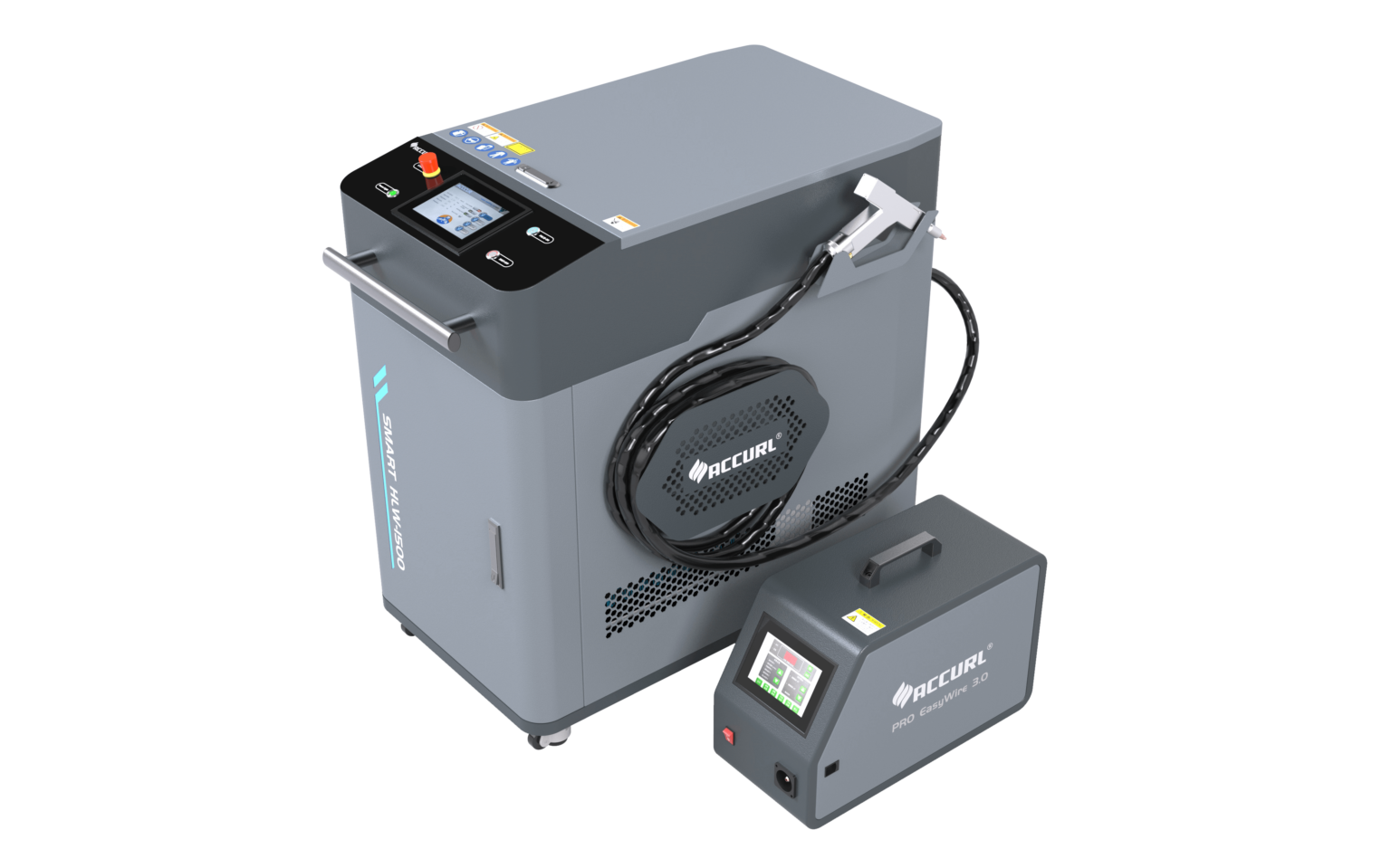
In the realm of modern manufacturing, the demand for precision, efficiency, and versatility has never been higher. Laser welding machines have emerged as a pivotal solution, revolutionizing the welding industry with their capability to deliver high-quality results at remarkable speeds. For industries ranging from automotive to aerospace, the pursuit of the ideal laser welder for sale is an essential step towards enhancing operational capabilities. This guide explores the critical factors to consider when seeking the ultimate laser welder, ensuring that informed decisions lead to optimized production processes.
Understanding Laser Welding Technology
Laser welding is a technique that utilizes a laser beam to join materials. Its precision and speed are unmatched, making it a preferred method for intricate and high-volume welding tasks. Here are some key aspects of laser welding technology:
- Precision: Laser welding provides exceptional control over the welding process, allowing for minimal distortion and high-quality joints.
- Speed: The process is significantly faster than traditional welding methods, increasing productivity.
- Flexibility: Capable of welding a wide range of materials, including metals and plastics.
- Non-contact process: Reduces the wear and tear of equipment and allows for welding in difficult-to-reach areas.
Key Features to Look for in a Laser Welder
Power Output
The power output of a laser welding machine determines its capability to weld different types of materials and thicknesses. Higher power allows for deeper penetration, making it ideal for thicker materials.
Beam Quality
Beam quality influences the focusability and precision of the weld. High beam quality results in a finer and more precise weld, essential for applications that demand high levels of accuracy.
Control Systems
Advanced control systems enhance the functionality of laser welders, providing features such as automatic adjustments and monitoring of the welding process for improved outcomes.
Cooling Mechanism
Efficient cooling systems are crucial for maintaining the stability of laser welders, especially during prolonged operations. This ensures consistent performance and longevity of the equipment.
Advantages of Investing in Laser Welders
Considering a laser welder machine offers numerous benefits:
- High Efficiency: Reduces labor costs and increases throughput due to faster welding speeds.
- Quality Assurance: Produces welds with minimal defects, enhancing the overall quality of the finished product.
- Reduced Material Distortion: The precision of laser welding minimizes heat-affected zones, reducing the risk of warping the materials.
- Environmentally Friendly: Produces less waste and pollutants compared to traditional welding methods.
Applications of Laser Welding
Laser welding is utilized across various industries, each benefiting from its unique advantages:
- Automotive: Used for fabricating car bodies, engine components, and exhaust systems.
- Aerospace: Essential for manufacturing lightweight and durable components.
- Electronics: Ideal for precise welding of small, delicate parts.
- Medical Devices: Ensures high precision and hygiene standards for medical equipment.
Conclusion
Choosing the right laser welder involves understanding the specific needs of your industry and matching them with the capabilities of the machine. By focusing on essential features such as power output, beam quality, and control systems, businesses can enhance their operational efficiency and product quality. The laser welding machine is not just a tool but a transformative investment that propels manufacturing processes into the future.