
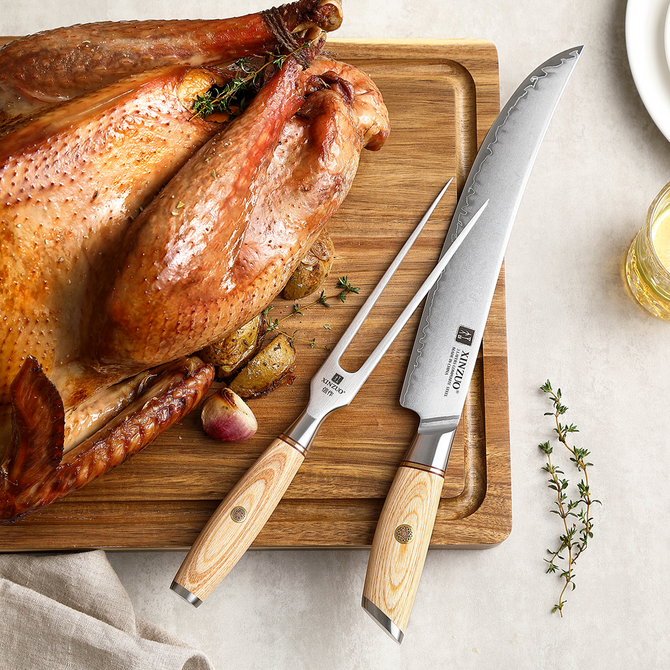
Carving forks are indispensable tools in the kitchen, especially when it comes to slicing meat with precision and ease. Whether you’re preparing a holiday roast, a barbecue brisket, or a simple family dinner, a carving fork ensures that each slice is perfectly held and neatly presented. This ultimate guide provides insights into selecting, using, and maintaining carving forks to enhance your culinary experience.
Understanding Carving Forks
Carving forks are specifically designed to hold meat steady while slicing. They typically feature two long, sharp prongs that can pierce the meat easily. The design helps in stabilizing the meat, ensuring clean cuts without tearing.
Key Features of Carving Forks
- Material: Stainless steel is commonly used for its durability and resistance to rust and corrosion.
- Length: The prongs usually range between 6 to 12 inches, which accommodates various sizes of meat.
- Handle: Ergonomically designed handles provide a comfortable grip, reducing hand fatigue during use.
For more detailed information on the types of materials and designs available, explore further insights here.
Choosing the Right Carving Fork
Selecting the right carving fork depends on several factors, including the types of meats you typically carve and personal preferences. Here are some considerations:
- Frequency of Use: Frequent users might invest in a high-quality, durable carving fork.
- Size of Meat: Larger meats may require longer prongs for better control.
- Comfort and Safety: Look for a fork with a non-slip handle to enhance safety and comfort.
For a comprehensive overview of carving fork options, read more about this topic.
Using a Carving Fork Effectively
Proper technique is essential when using a carving fork to ensure safety and achieve perfect slices:
- Positioning: Insert the fork into the meat at a slight angle to grip it securely.
- Stability: Ensure the meat is stable on the cutting board before slicing.
- Control: Use the fork to hold the meat in place without applying excessive pressure, which might cause the meat to tear.
To further refine your carving skills, learn more in this detailed guide.
Maintaining Your Carving Fork
Proper maintenance of your carving fork ensures longevity and performance:
- Cleaning: Wash the fork immediately after use with warm, soapy water to remove any food particles.
- Drying: Thoroughly dry the fork to prevent rust and maintain its finish.
- Storage: Store the fork in a dry place, ideally in a knife block or on a magnetic strip to avoid damage to the prongs.
For additional maintenance tips, find more information here.
Conclusion
Investing in a quality carving fork can significantly enhance your meat carving experience, making it easier and more enjoyable. By understanding the features and proper use of carving forks, you can ensure that every slice is perfectly presented. For those seeking to expand their kitchen toolkit, exploring various options is a step toward culinary excellence. Visit this page for more insights into carving forks and how they can fit into your cooking routine.