
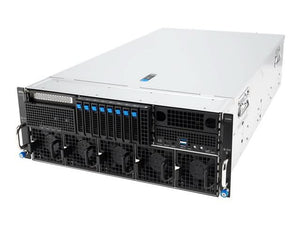
In today’s rapidly evolving technological landscape, businesses are increasingly dependent on complex IT systems to maintain competitiveness and drive innovation. The role of an IT system integrator has become crucial in ensuring that these systems work seamlessly together. An IT system integrator is a professional or entity responsible for bringing together various subsystems into a unified whole, ensuring that they function efficiently and effectively. This integration is essential for optimizing business processes, enhancing productivity, and enabling scalability. As businesses continue to adopt new technologies, the demand for skilled system integrators is on the rise, making their role more vital than ever before.
Understanding the Core Responsibilities of an IT System Integrator
An IT system integrator is responsible for the seamless integration of various technology components within an organization. This involves several key responsibilities:
- Needs Assessment: They begin by understanding the specific needs and objectives of the business. This involves analyzing current systems and identifying gaps that need to be addressed.
- Design and Planning: Once the needs are assessed, integrators design a blueprint for the integration process. This includes selecting appropriate technologies and crafting a strategic plan to deploy them effectively.
- Implementation: The integrator oversees the installation and configuration of systems, ensuring that they are integrated smoothly without disrupting existing operations.
- Testing and Quality Assurance: Rigorous testing is conducted to ensure that all systems are working together as intended. Any issues are identified and resolved before full deployment.
- Training and Support: After integration, they provide training to staff to ensure they can use the new systems effectively. Ongoing support is also crucial to address any post-integration issues.
For more detailed insights on the responsibilities of system integrators, read more about this topic.
The Importance of System Integration in Modern Businesses
Enhancing Operational Efficiency
By integrating disparate systems, businesses can streamline their operations, reducing the time and resources required to manage them separately. This leads to increased efficiency and productivity, allowing companies to focus on their core competencies.
Facilitating Innovation and Agility
System integration enables businesses to be more agile, allowing them to quickly adapt to market changes and technological advancements. This agility is crucial for fostering innovation and staying ahead of competitors. Explore further insights here on how integration drives business innovation.
Improving Data Management and Security
Integrating systems enhances data management capabilities, ensuring that information is easily accessible and secure. This is particularly important in an age where data breaches and cyber threats are prevalent. By consolidating data and implementing robust security measures, businesses can protect their assets and maintain customer trust. Learn more in this detailed guide on data security through system integration.
Challenges Faced by IT System Integrators
While the benefits of system integration are significant, integrators face several challenges in their role:
- Complexity of Systems: As businesses adopt more sophisticated technologies, the complexity of integrating these systems increases.
- Compatibility Issues: Ensuring that different systems and technologies work together can be challenging, especially when dealing with legacy systems.
- Cost and Time Constraints: Integration projects can be costly and time-consuming, requiring careful planning and resource allocation.
- Resistance to Change: Employees may resist changes to their workflow, necessitating effective change management strategies.
For additional information on addressing these challenges, find additional information here.
Conclusion
The role of an IT system integrator is indispensable in the modern business environment. By ensuring that various technological components work together seamlessly, integrators help businesses improve efficiency, foster innovation, and enhance security. As technology continues to evolve, the demand for skilled system integrators will only increase, making their expertise crucial for businesses seeking to remain competitive and agile in a dynamic marketplace. For further exploration of the integrator’s role and its impact, explore further insights here.