
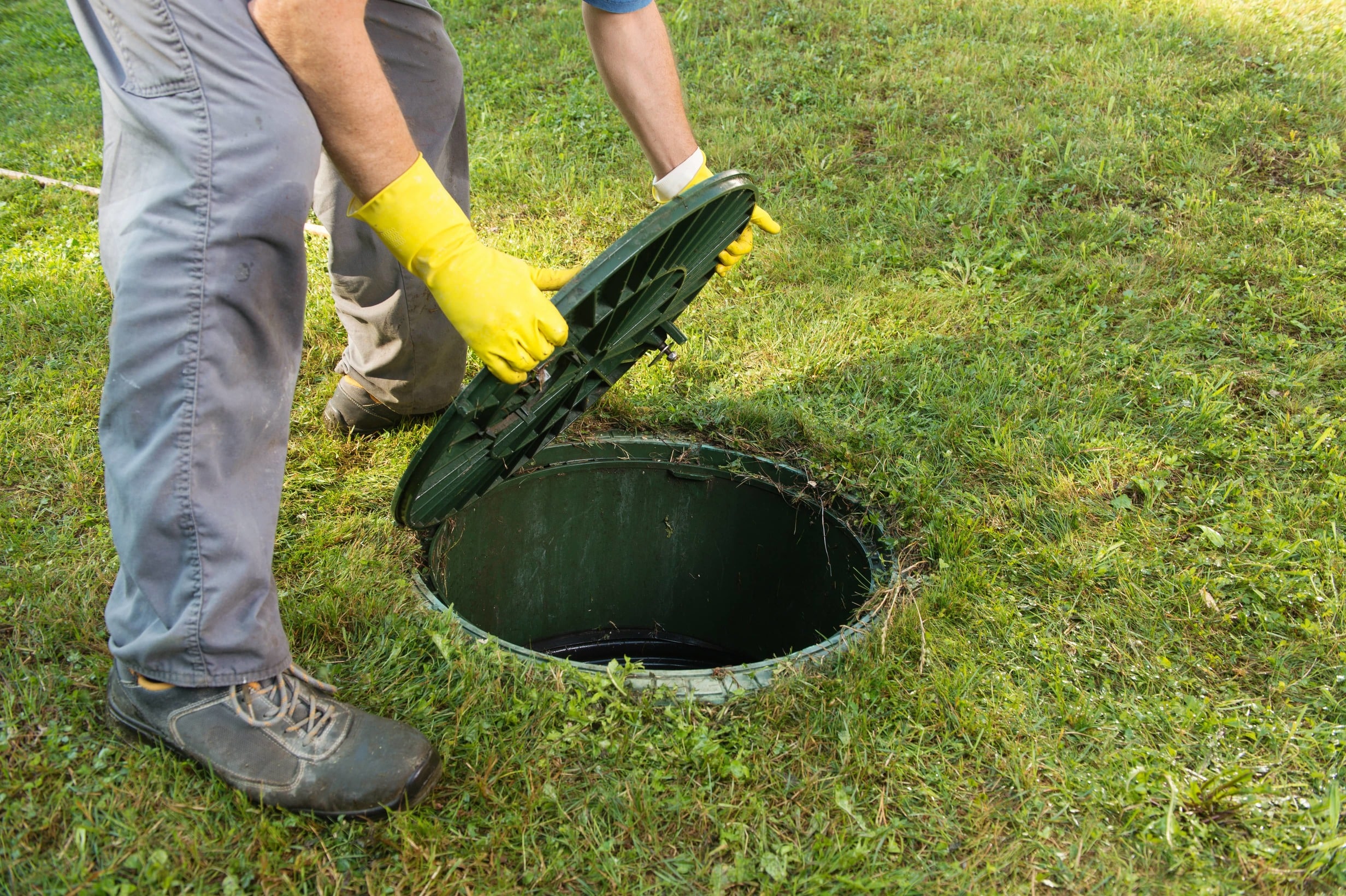
When it comes to maintaining a home, one of the most overlooked yet critical components is the septic system. Septic systems are essential for the disposal of household wastewater, and their proper functioning is crucial for both the home and the environment. A malfunctioning septic system can lead to significant inconveniences, costly repairs, and potential health hazards. This is why regular septic home inspections are of utmost importance. They ensure that the system operates efficiently and prolong its lifespan, safeguarding both the household and the local ecosystem.
Understanding Septic Home Inspections
A septic home inspection is a thorough assessment of the septic system, which includes the tank, drain field, and associated components. During the inspection, a professional will evaluate the condition of these components, identify any potential problems, and suggest remedies or maintenance tips. Regular inspections can prevent small issues from escalating into major problems.
The Benefits of Regular Inspections
- Early Detection: Identifying minor issues early can prevent major repairs and save money in the long run.
- System Longevity: Routine inspections can extend the life of a septic system by ensuring all parts are functioning correctly.
- Environmental Protection: Properly functioning systems prevent untreated wastewater from contaminating local water sources.
- Health and Safety: Avoids exposure to harmful bacteria and pathogens that can arise from system malfunctions.
When to Schedule a Septic Home Inspection
It is generally recommended to schedule a septic home inspection every three to five years, depending on the system’s age and usage level. Additionally, inspections should be considered during the following circumstances:
- When purchasing a new home to ensure the septic system is in good condition.
- If there are any signs of system failure, such as foul odors, slow drains, or standing water in the yard.
- After major weather events that might impact the system’s functionality.
The Inspection Process
During a septic home inspection, the inspector will typically perform the following tasks:
- Visual Inspection: Checking for signs of leaks, backups, and system age.
- Sludge Test: Measuring the levels of sludge and scum in the tank to determine if pumping is necessary.
- Drain Field Evaluation: Ensuring that the drain field is properly absorbing wastewater.
- System Component Check: Inspecting pumps, alarms, and other mechanical parts for proper operation.
For more detailed insights, homeowners can check out customer reviews here to see what others are saying about the importance of a professional inspection.
Preventative Maintenance Tips
While regular inspections are vital, homeowners can also take steps to maintain their septic systems between inspections:
- Avoid flushing non-biodegradable items down the toilet.
- Conserve water to reduce the load on the septic system.
- Avoid using chemical drain cleaners that might harm beneficial bacteria in the tank.
- Regularly pump the septic tank as advised by a professional.
Conclusion
Proper maintenance and regular inspections of septic systems are crucial for ensuring the health and safety of a household and the surrounding environment. By understanding the importance of and scheduling routine septic home inspections, homeowners can avoid costly repairs and safeguard their investment. For those seeking peace of mind, exploring professional services and customer feedback can provide assurance in making informed decisions regarding septic system care.