
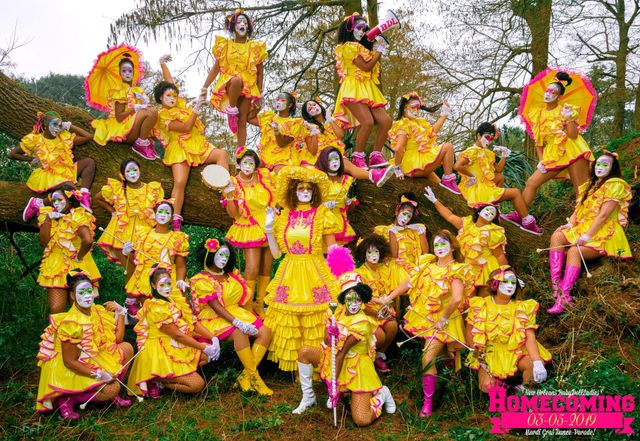
New Orleans is a city renowned for its vibrant culture, rich history, and unique traditions. One such tradition is the fascinating and colorful world of the New Orleans Baby Doll Ladies. This unique group has played an integral role in the cultural tapestry of the city, combining elements of dance, music, and theatricality to create a compelling narrative that resonates with the spirit of New Orleans. The Baby Doll tradition, which began in the early 20th century, is a powerful expression of identity, resilience, and artistry, showcasing the strength and creativity of African American women in the face of societal challenges.
Origins of the Baby Doll Tradition
The Baby Doll tradition has its roots in the early 1900s, a period marked by significant social and economic upheaval. Emerging around 1912, the tradition began as a response to the exclusion of African Americans from mainstream Mardi Gras festivities. African American women, primarily in the Storyville district, created their own form of celebration that was both subversive and empowering. By donning elaborate baby doll costumes, these women challenged societal norms and asserted their place in the cultural landscape of New Orleans.
The Cultural Significance
The Baby Doll Ladies were not merely performers; they were cultural icons whose presence challenged the status quo. Their costumes, characterized by short satin skirts, bloomers, and bonnets, were a bold statement against the rigid gender roles and racial segregation of the time. Through playful and satirical performance, the Baby Dolls addressed serious socio-political issues, using humor and dance as powerful tools of commentary and change.
Key Elements of the Tradition
- Costumes: Distinctive baby doll outfits that included short skirts, bonnets, and parasols.
- Performance: Dance routines that combined elements of African and American musical traditions.
- Music: Accompanied by jazz bands, reinforcing New Orleans’ reputation as the birthplace of jazz.
Revitalization and Modern Impact
The Baby Doll tradition experienced a resurgence in the late 20th century, thanks in part to the efforts of cultural preservationists and the growing interest in New Orleans’ African American heritage. Today, the Baby Doll Ladies are a prominent feature of Mardi Gras and other cultural events, celebrating their legacy while embracing contemporary influences. This revival has ensured that the tradition remains a dynamic and evolving expression of cultural identity and empowerment.
Modern Baby Doll Ladies
The modern incarnation of the New Orleans Baby Doll Ladies continues to captivate audiences with their vibrant performances and dedication to cultural heritage. They participate in various festivals and parades, maintaining the spirit of the original tradition while incorporating contemporary music and dance styles. Their presence is a testament to the enduring power of artistic expression as a form of resistance and celebration.
The Legacy of the Baby Doll Ladies
The legacy of the Baby Doll Ladies is one of resilience, creativity, and cultural affirmation. Their story is a vital part of New Orleans’ history, serving as a reminder of the city’s diverse and rich cultural fabric. By celebrating the past while looking towards the future, the Baby Doll Ladies continue to inspire new generations, ensuring that their voices and stories remain a powerful part of New Orleans’ cultural narrative.
For those interested in experiencing this vibrant tradition firsthand, learning about the Baby Doll Ladies offers a deeper understanding of New Orleans’ unique cultural history. Their story is a testament to the enduring spirit of a community that has always found strength and joy in the face of adversity.