
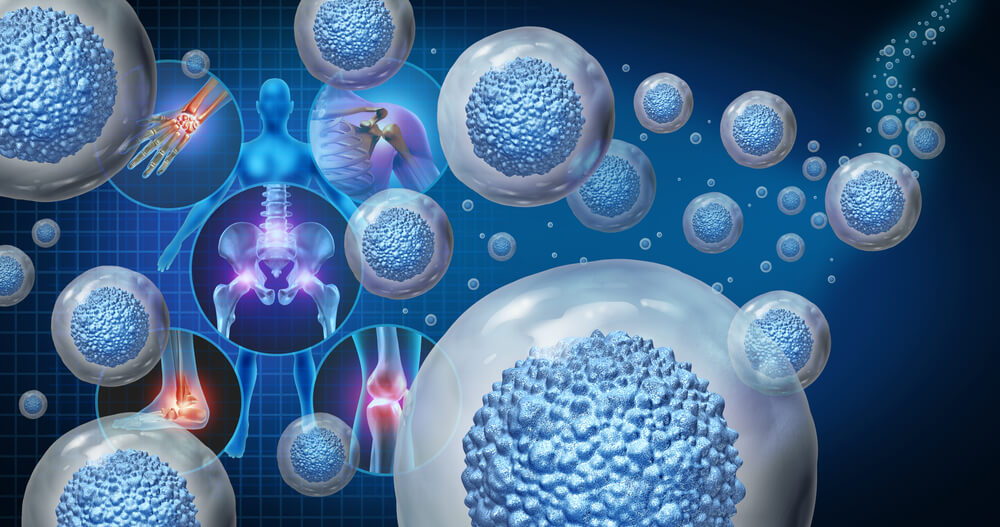
In the rapidly evolving field of regenerative medicine, cord stem cells are emerging as a pivotal resource with transformative potential. These cells, derived from the umbilical cord, are at the forefront of innovative medical research and treatment. Their ability to differentiate into various cell types makes them invaluable for treating a wide range of diseases and conditions. As the understanding of these cells deepens, so too does the potential for them to revolutionize medical treatments, offering new hope for patients globally.
Understanding Cord Stem Cells
Cord stem cells, primarily sourced from the umbilical cord blood and tissue, are a rich source of hematopoietic and mesenchymal stem cells. These cells have the unique ability to develop into different types of blood and tissue cells, making them a critical element in regenerative medicine.
Types of Cord Stem Cells
- Hematopoietic Stem Cells (HSCs): Found in cord blood, these cells are instrumental in the formation of blood cells and are commonly used in bone marrow transplants.
- Mesenchymal Stem Cells (MSCs): Present in the cord tissue, these cells can differentiate into bone, cartilage, and fat cells, offering therapeutic potential for various conditions.
Applications in Regenerative Medicine
The unique properties of cord stem cells position them as a cornerstone in the advancement of regenerative therapies. Their versatility and potency have led to numerous clinical applications, including:
Treatment of Blood Disorders
Cord stem cells are already being utilized in the treatment of various blood disorders such as leukemia, lymphoma, and anemia. Their role in hematopoietic stem cell transplantation has proven to be a life-saving intervention for many patients.
Potential in Neurological Conditions
Research is ongoing into the use of cord stem cells for neurological conditions, including cerebral palsy and spinal cord injuries. The ability of these cells to regenerate damaged neural tissues presents a promising avenue for future therapies.
Regeneration of Tissue and Organs
The regenerative capabilities of mesenchymal stem cells are being explored for the repair and regeneration of tissues and organs. This could be particularly beneficial in treating conditions such as heart disease, liver failure, and cartilage damage.
Advantages of Cord Stem Cells
Cord stem cells offer several advantages over other types of stem cells, making them a preferred choice for research and therapeutic applications.
- Non-invasive Collection: The collection process is safe, painless, and non-invasive, posing no risk to the mother or baby.
- Reduced Risk of Rejection: These cells have a lower risk of immune rejection, making them suitable for allogeneic transplants.
- High Proliferation Capacity: Cord stem cells have a high capacity for proliferation, enhancing their therapeutic potential.
Challenges and Future Directions
While the potential of cord stem cells is vast, there are challenges that need to be addressed to fully harness their capabilities. These include ethical considerations, logistical challenges in cord stem cell banking, and regulatory hurdles. Continued research and collaboration among scientists, clinicians, and policymakers are essential to overcome these barriers.
Concluding Thoughts
The landscape of regenerative medicine is profoundly influenced by the advancements in cord stem cell research. As the scientific community continues to explore their potential, these cells hold the promise of transforming treatment paradigms and improving patient outcomes. The journey of cord stem cells from research to reality is one of hope and promise, heralding a new era in medical treatment and innovation.