
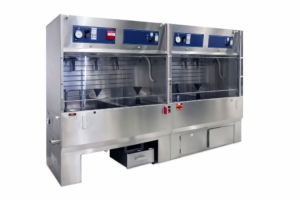
In the rapidly advancing world of technology, semiconductors play a pivotal role in powering a wide array of devices, from smartphones to vehicles. The manufacturing equipment used to produce these semiconductors is intricate and cutting-edge. Understanding the essentials of semiconductor manufacturing equipment is crucial for those involved in the industry, as it impacts the efficiency and quality of semiconductor production. This article delves into the various aspects of semiconductor manufacturing equipment, including its types, significance, and the considerations for selecting the right tools for specific manufacturing needs.
Types of Semiconductor Manufacturing Equipment
Semiconductor manufacturing requires a variety of specialized equipment to carry out the different processes involved. The following are key types of equipment used in the industry:
- Photolithography Equipment: This essential tool is used to transfer patterns onto the semiconductor wafer. It involves using light to etch these patterns, a critical step in defining the semiconductor’s circuit pathways.
- Etching Equipment: After photolithography, etching equipment removes unwanted material from the wafer, ensuring precision in the circuit design.
- Deposition Equipment: These machines deposit various materials onto the wafer surface, forming thin films that contribute to the semiconductor’s layers.
- Annealing Equipment: Used for heating wafers to alter their physical properties, annealing equipment is vital for improving the semiconductor’s performance.
- Metrology Equipment: Ensuring quality control, metrology tools measure and inspect the wafers at different stages of production.
Importance of Semiconductor Manufacturing Equipment
The significance of semiconductor manufacturing equipment cannot be overstated. Here’s why:
- It determines the accuracy and precision of semiconductor devices, affecting their performance and reliability.
- High-quality equipment enhances production efficiency, reducing time and cost.
- Advanced equipment enables the production of sophisticated devices with smaller, more powerful chips.
For more insights into the importance of these technologies, read more about this topic on the official website.
Considerations When Choosing Equipment
When selecting semiconductor manufacturing equipment, several factors must be taken into account:
Technological Compatibility
It’s crucial that the equipment integrates smoothly with existing technology and processes. Compatibility ensures that production lines run efficiently without disruptions. Learn more in this detailed guide about technological advancements and their integration.
Cost and Budget Constraints
Balancing the cost of equipment with budget constraints is important. While advanced technology can be costly, it often leads to long-term savings through increased efficiency and reduced waste.
Scalability
As demand for semiconductors grows, equipment that can scale production is invaluable. Consider future needs and expansion plans when selecting tools to avoid frequent upgrades.
Future Trends in Semiconductor Manufacturing Equipment
The semiconductor industry is continually evolving, with emerging trends influencing the equipment used:
- Automation: Increasingly, automation is being integrated into manufacturing processes to enhance precision and reduce human error.
- AI and Machine Learning: These technologies are being leveraged to optimize production processes and improve decision-making.
- Sustainability: There’s a growing focus on sustainable manufacturing practices, with equipment designed to minimize energy consumption and reduce waste.
To explore further insights into future trends, explore further insights here.
Conclusion
Understanding semiconductor manufacturing equipment is essential for anyone involved in the field. From selecting the right equipment to keeping up with emerging trends, staying informed can significantly impact production outcomes. For those looking to delve deeper into this subject, find additional information here.