
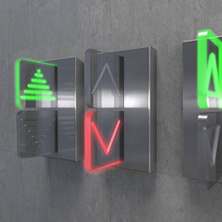
In recent times, the concept of modern living has evolved to include not just the architectural design of homes but also the functional aesthetics of interior elements. Among the most transformative innovations in home design is the integration of advanced lift fixtures. These fixtures, while traditionally confined to commercial and high-rise buildings, are now revolutionizing residential spaces by enhancing accessibility, elevating design aesthetics, and ultimately increasing property value.
Advantages of Modern Lift Fixtures in Homes
Improved Accessibility
One of the primary benefits of incorporating lift fixtures in residential settings is the improved accessibility they provide. These fixtures make it easier for individuals with mobility challenges to navigate between floors, ensuring a safer and more inclusive environment for all residents.
- Facilitates easy movement for the elderly or those with disabilities.
- Reduces the risk of accidents associated with staircases.
- Provides convenience for transporting heavy items between floors.
Enhancement of Property Value
Investing in high-quality lift fixtures can significantly boost the market value of a property. Potential buyers often view modernized homes with advanced features as more appealing, which can lead to a higher return on investment.
- Elevators offer a competitive edge in the real estate market.
- Increases the aesthetic appeal of the property.
- Potentially reduces insurance costs due to enhanced safety features.
Design Flexibility and Aesthetic Appeal
Customization Options
Today’s lift fixtures come with a variety of customization options that allow homeowners to design a system that perfectly complements their home’s interior decor. From sleek, minimalist designs to luxurious, opulent styles, there is a solution for every taste.
- Choice of materials, including glass, metal, and wood finishes.
- Variety of lighting options to enhance the ambiance.
- Customizable control panels and buttons to suit personal preferences.
Integration with Smart Home Technology
As technology advances, so does the functionality of lift fixtures. Integration with smart home systems allows for seamless operation, enhancing convenience and security.
- Remote control access via smartphones or voice-activated systems.
- Automated maintenance alerts and diagnostics.
- Energy efficiency through automated power-saving modes.
Considerations for Installing Lift Fixtures
Before undertaking the installation of lift fixtures in a home, several factors should be considered to ensure the project”?s success and longevity.
Space and Structural Requirements
Understanding the spatial and structural prerequisites is crucial. This includes assessing whether the existing architecture can accommodate the necessary mechanisms and ensuring compliance with local building codes.
- Available space for the shaft and machinery.
- Load-bearing capabilities of the existing structure.
- Compliance with safety and building regulations.
Budget and Long-term Costs
An initial investment in lift fixtures can be substantial, but considering the long-term benefits and potential savings is essential. Evaluating the overall cost of ownership, which includes maintenance and energy consumption, is crucial.
- Initial installation and customization costs.
- Maintenance and repair expenses.
- Impact on energy bills and potential savings from energy-efficient models.
Revolutionizing a home with innovative lift fixtures not only enhances accessibility and design but also aligns with modern living standards. As more homeowners recognize the benefits, these fixtures are quickly becoming a staple in contemporary residential architecture. With careful planning and consideration, the integration of lift systems can transform any home into a model of modern elegance and functionality.