
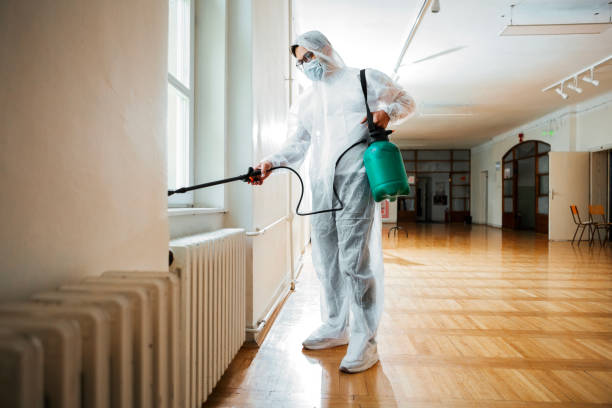
In today”?s competitive business environment, maintaining a clean and safe workplace is crucial for any company aiming to establish a reputable brand image. Unseen, yet potentially damaging, pests can pose significant risks not only to health and safety but also to the overall business reputation. As such, implementing effective commercial pest control strategies is vital to safeguard business assets, ensure compliance with health regulations, and protect the well-being of employees and customers.
The Importance of Commercial Pest Control
Commercial pest control is a critical component of any business operations. It goes beyond merely addressing pest infestations when they occur. Instead, it involves a proactive approach to prevent pests from becoming a problem in the first place. Understanding the importance of commercial pest management helps businesses to:
- Maintain hygiene and cleanliness standards.
- Protect the health of employees and customers.
- Preserve the structural integrity of business premises.
- Comply with industry regulations and health codes.
- Enhance the business reputation and customer trust.
Common Pests in Commercial Spaces
Different types of pests can invade commercial spaces, each posing unique challenges. Some of the most common pests include:
- Rodents: Known for gnawing on electrical wires and spreading diseases.
- Insects: Includes ants, cockroaches, and flies, which can contaminate food and surfaces.
- Termites: Responsible for significant structural damage if not controlled.
- Birds: Can cause damage to property and spread diseases through droppings.
Understanding the specific pest threats to a business enables the implementation of tailored pest control services for commercial environments.
Effective Solutions for Pest Management
Integrated Pest Management (IPM)
Integrated Pest Management (IPM) is a comprehensive approach that combines different management strategies and practices to control pests effectively. Key elements of IPM include:
- Inspection: Regular monitoring and identification of pest activity.
- Preventive Measures: Implementing sanitation and habitat modification to deter pests.
- Control Methods: Utilizing chemical and non-chemical solutions to manage pest populations.
- Evaluation: Continuous assessment and adjustment of pest management plans.
Embracing IPM can significantly reduce the reliance on chemical pesticides and promote a healthier environment.
Professional Commercial Pest Control Services
Engaging a professional commercial pest control service ensures that businesses benefit from expert knowledge and advanced technologies in pest management. Professional services offer:
- Comprehensive site assessments to identify specific pest issues.
- Customized treatment plans tailored to unique business needs.
- Ongoing monitoring and maintenance programs.
- Emergency pest control solutions when unexpected infestations arise.
Conclusion
Safeguarding a business from pests requires a strategic approach that combines preventive measures with expert intervention. Businesses that prioritize effective pest management not only enhance their operational efficiency but also protect their brand reputation and ensure a safe environment for staff and customers. By incorporating professional commercial pest management solutions, companies can achieve peace of mind, knowing that they are taking necessary steps to protect their enterprise from pest-related risks.