
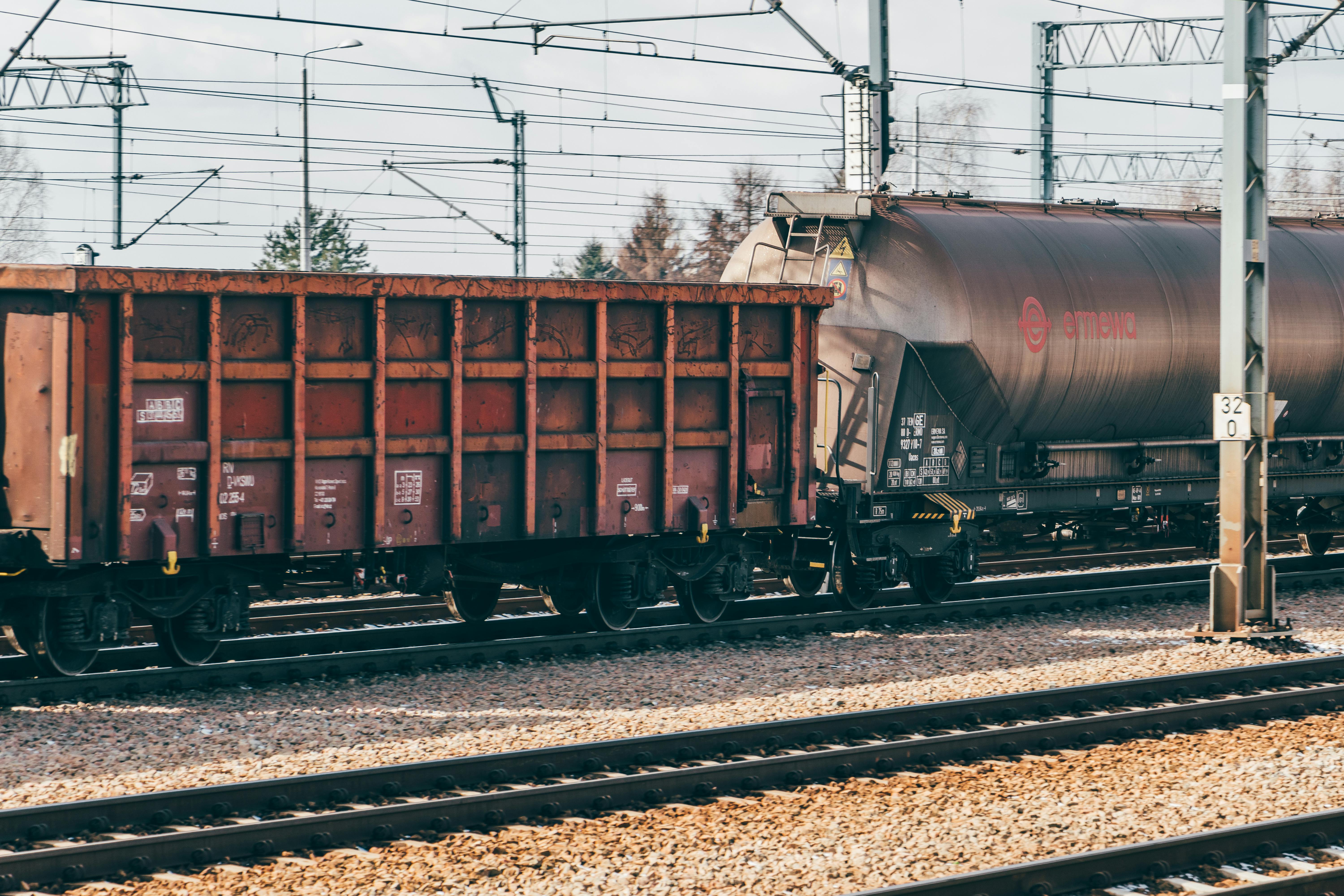
In today’s rapidly evolving transportation industry, the shift towards sustainability is becoming increasingly imperative. Rail freight services, known for their efficiency and reliability, are now at the forefront of this transformation. Opting for environmentally friendly rail freight services not only enhances a company’s sustainability credentials but also plays a vital role in reducing the carbon footprint. This article explores the various aspects of choosing green rail freight services and provides insights into how businesses can incorporate these practices effectively.
The Importance of Sustainable Rail Freight
The transportation sector is a significant contributor to global emissions, making the need for sustainable solutions more critical than ever. Rail freight is inherently more environmentally friendly compared to road and air transport. Here are some compelling reasons to consider sustainable rail freight:
- Reduced Emissions: Rail freight produces substantially fewer emissions per ton-mile compared to road transport.
- Energy Efficiency: Trains are more energy-efficient, leveraging advancements in technology to further enhance performance.
- Decreased Congestion: Utilizing rail freight reduces road congestion, leading to a smoother supply chain.
Challenges and Solutions
While the benefits are clear, transitioning to greener rail freight services can present challenges. Addressing these effectively is key to successful implementation.
- Infrastructure Limitations: Upgrading rail infrastructure to support green technologies requires significant investment.
- Integration with Other Modes: Seamlessly integrating rail with other modes of transport is crucial for efficiency.
- Regulatory Compliance: Staying updated with environmental regulations can be complex.
Discover expert strategies here to overcome these challenges and leverage rail freight effectively.
Innovations in Green Rail Freight
In response to environmental concerns, the rail freight industry is adopting innovative technologies and practices. These advancements not only enhance sustainability but also improve overall service delivery.
- Electrification: Transitioning to electric locomotives significantly reduces carbon emissions.
- Renewable Energy: Utilizing renewable energy sources for rail operations further minimizes environmental impact.
- Advanced Monitoring Systems: Implementing real-time monitoring systems improves efficiency and reduces waste.
Learn about our tailored solutions here to explore how these innovations are being applied.
Case Studies and Success Stories
Real-world examples demonstrate the tangible benefits of opting for environmentally friendly rail freight services. Companies across various industries have successfully integrated these practices into their logistics strategies.
- Case Study 1: A leading automotive manufacturer reduced its logistics carbon footprint by 40% through rail freight.
- Case Study 2: A global retail chain streamlined its supply chain while enhancing sustainability through innovative rail solutions.
Explore advanced guides and tips here to understand how these strategies can be applied to different sectors.
Future Prospects of Green Rail Freight
The future of rail freight is undoubtedly aligned with sustainability. As more companies recognize the importance of environmentally friendly logistics, the demand for green rail freight services is expected to rise.
Find out more about this approach here to stay ahead in the evolving logistics landscape.
In conclusion, opting for environmentally friendly rail freight services is not just a strategic business decision but a commitment to a sustainable future. By embracing these practices, businesses can significantly contribute to environmental conservation while enhancing their operational efficiencies.