
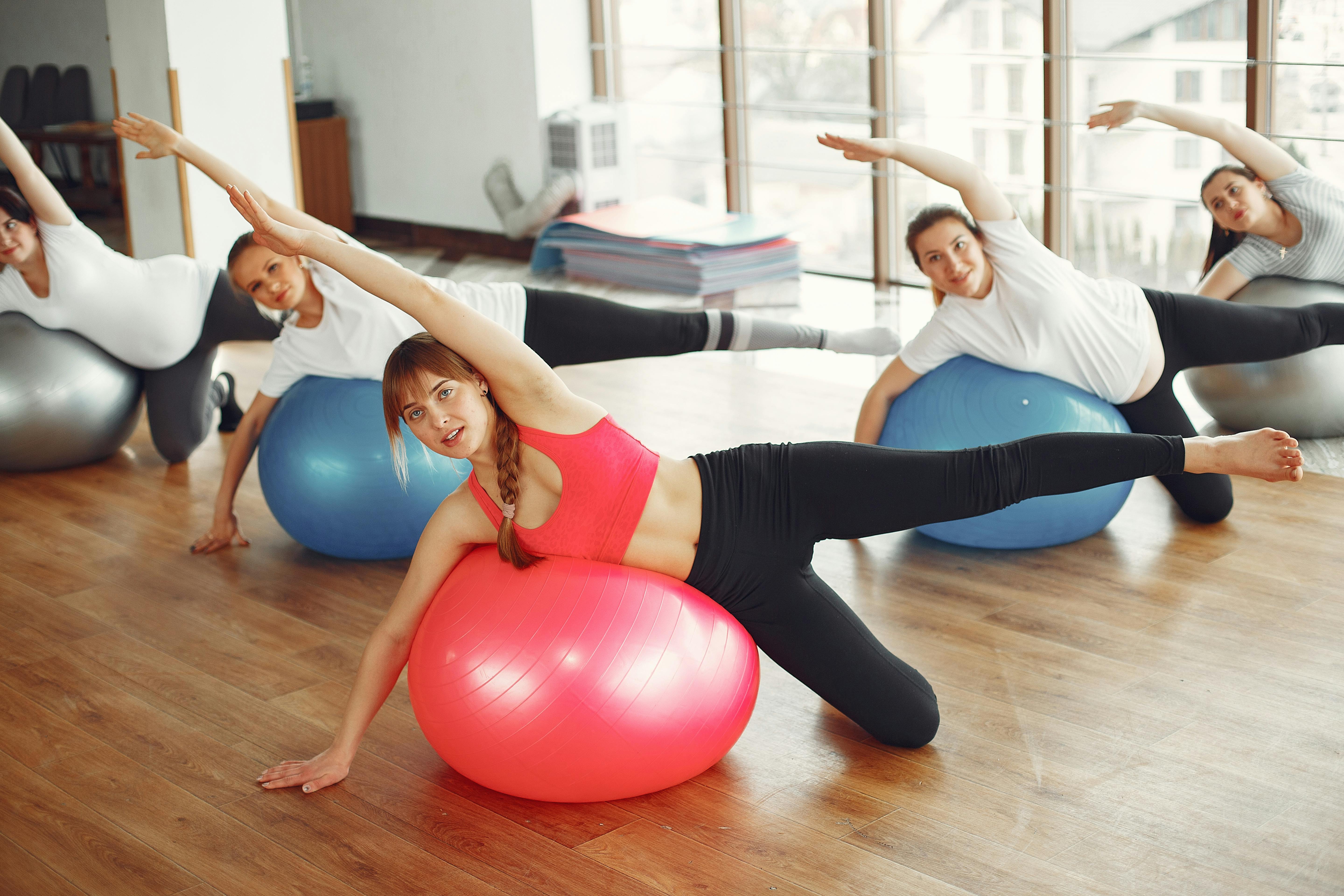
Pilates is a form of exercise that emphasizes the connection between the mind and the body. Originating in the early 20th century, Pilates was developed by Joseph Pilates and has since evolved into a popular method of mindful movement that promotes strength, flexibility, and overall well-being. Unlike many traditional forms of exercise, Pilates focuses heavily on controlled movements, precise breathing, and alignment, making it a unique and beneficial practice for individuals of all ages and fitness levels.
The Principles of Pilates
The core of Pilates lies in its fundamental principles, which guide practitioners towards achieving a harmonious balance between the mind and body. These principles include:
- Concentration: Every movement in Pilates requires full attention and focus to ensure precision and effectiveness.
- Control: Exercises are performed with deliberate control to prevent injury and maximize benefits.
- Centering: All movements are powered by a strong core, which is considered the center of the body?s strength.
- Flow: Movements are executed with a sense of grace and fluidity, enhancing the natural rhythm of the body.
- Precision: Attention to detail is crucial in Pilates, ensuring each movement is executed correctly.
- Breath: Proper breathing techniques are integrated to support movement and enhance relaxation.
To delve deeper into these principles and their application, learn more in this detailed guide.
Benefits of Mindful Movement Through Pilates
Physical Benefits
Pilates offers a plethora of physical benefits that contribute to overall health and fitness. Some key advantages include:
- Improved Core Strength: As a core-centric exercise, Pilates enhances abdominal strength and stability.
- Increased Flexibility: Regular practice promotes greater flexibility and range of motion.
- Enhanced Posture: By focusing on alignment, Pilates helps improve posture and alleviate back pain.
- Injury Prevention: The controlled movements and focus on stability reduce the risk of injury.
For additional insights into the physical benefits of Pilates, explore further insights here.
Mental and Emotional Benefits
Beyond physical improvements, Pilates also supports mental and emotional well-being. The practice encourages:
- Stress Reduction: The focus on breath and mindful movement helps reduce stress and anxiety.
- Improved Concentration: The emphasis on concentration during practice enhances mental clarity and focus.
- Increased Body Awareness: Pilates fosters a deeper connection and awareness of the body.
To understand more about the mental and emotional benefits, find additional information here.
Integrating Pilates into Your Routine
Incorporating Pilates into your regular fitness routine can be a transformative experience. To get started, consider the following tips:
- Start Slow: Begin with basic exercises to build a solid foundation of core strength and flexibility.
- Seek Professional Guidance: Working with a certified Pilates instructor can ensure proper technique and progression.
- Consistency is Key: Regular practice, even just a few times a week, will yield better results over time.
If you are new to Pilates or wish to refine your practice, read more about this topic.
Conclusion
Pilates is much more than a mere exercise regimen; it is a holistic approach to achieving balance and harmony between the mind and body. By focusing on mindful movement, individuals can unlock a host of physical and mental benefits, enhancing their overall quality of life. Whether you are a beginner or an experienced practitioner, Pilates offers endless opportunities for growth and transformation. Explore further insights here to embark on your mindful movement journey.