
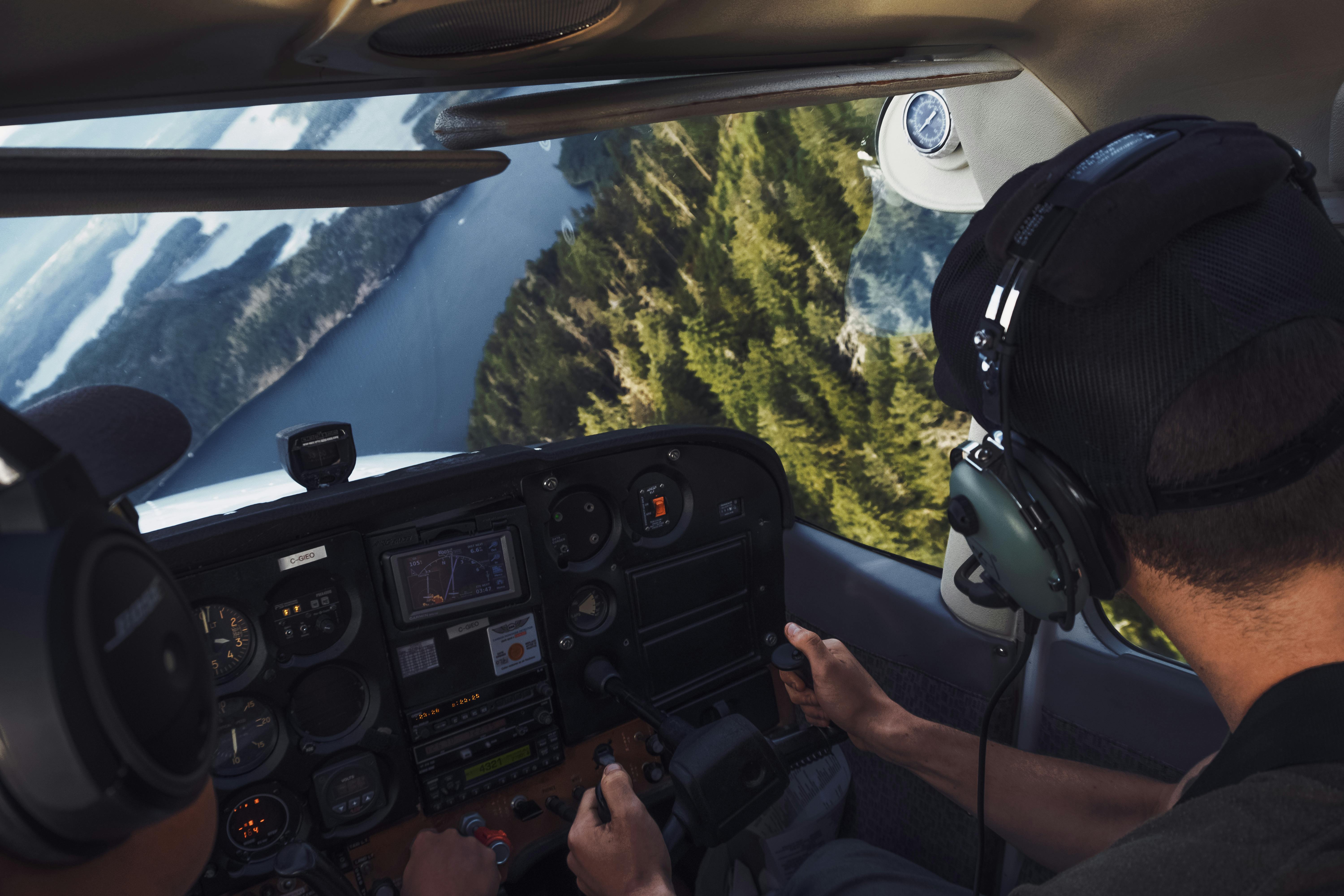
Flying is a marvel of modern engineering that connects the world in ways that were once unimaginable. Yet, for many, the prospect of stepping onto an airplane induces anxiety and fear. This fear of flying, known as aviophobia, affects an estimated 25% of the population to varying degrees. Fortunately, there are comprehensive fear of flying courses available in the UK designed to help individuals conquer their apprehensions and enjoy the freedom of air travel. These courses offer structured and evidence-based approaches to understanding and managing the fear, allowing individuals to gain confidence and peace of mind while flying.
Understanding Aviophobia
Aviophobia is often rooted in a combination of factors including psychological, emotional, and physical responses. Recognizing the specific triggers and underlying causes of the fear is a crucial first step in the journey to overcome fear of flying. Common factors contributing to this fear include:
- Fear of heights or enclosed spaces (claustrophobia)
- Lack of control during the flight
- Previous turbulent flight experiences
- Anxiety about mechanical failures or accidents
- Fear of terrorism or hijacking
Components of a Fear of Flying Course
A well-structured fear of flying course UK typically includes several key components designed to address the multifaceted nature of aviophobia. These courses are crafted by experts such as psychologists, pilots, and flight attendants who provide a comprehensive understanding of aviation and anxiety management techniques.
Education and Information
Understanding how planes work can significantly reduce anxiety. Courses often include sessions with pilots who explain the mechanics of flight, safety features, and turbulence. This knowledge helps demystify the flying experience and reassures nervous flyers.
Psychological Techniques
Psychological strategies are employed to help participants manage their anxiety. Techniques may include cognitive-behavioral therapy (CBT), which focuses on changing negative thought patterns, and exposure therapy, which gradually acclimates individuals to the flying environment.
Relaxation and Coping Strategies
Learning to relax is crucial to overcoming aviophobia. Courses often teach relaxation techniques such as deep breathing, visualization, and mindfulness. Practicing these methods can help manage anxiety symptoms during a flight.
Benefits of Enrolling in a UK Fear of Flying Course
Enrolling in a fear of flying course provides numerous benefits beyond simply reducing anxiety. Participants often report:
- Increased confidence and comfort with flying
- The ability to travel for work or leisure without fear
- Improved overall mental health and well-being
- Enhanced understanding and appreciation of aviation
Choosing the Right Course
With numerous options available, selecting the right courses for fear of flying is important. Consider the following factors when making a decision:
- Course content and methodology
- Expertise of the instructors
- Success rate and testimonials from past participants
- Location and duration of the course
Conclusion
Conquering the fear of flying is a transformative journey that can open up a world of possibilities. By enrolling in a fear of flying help course, individuals can gain the tools and confidence needed to embrace air travel fully. Whether opting for a nervous flyer course or a comprehensive program, the right course can make a significant difference in overcoming the barriers of aviophobia.