
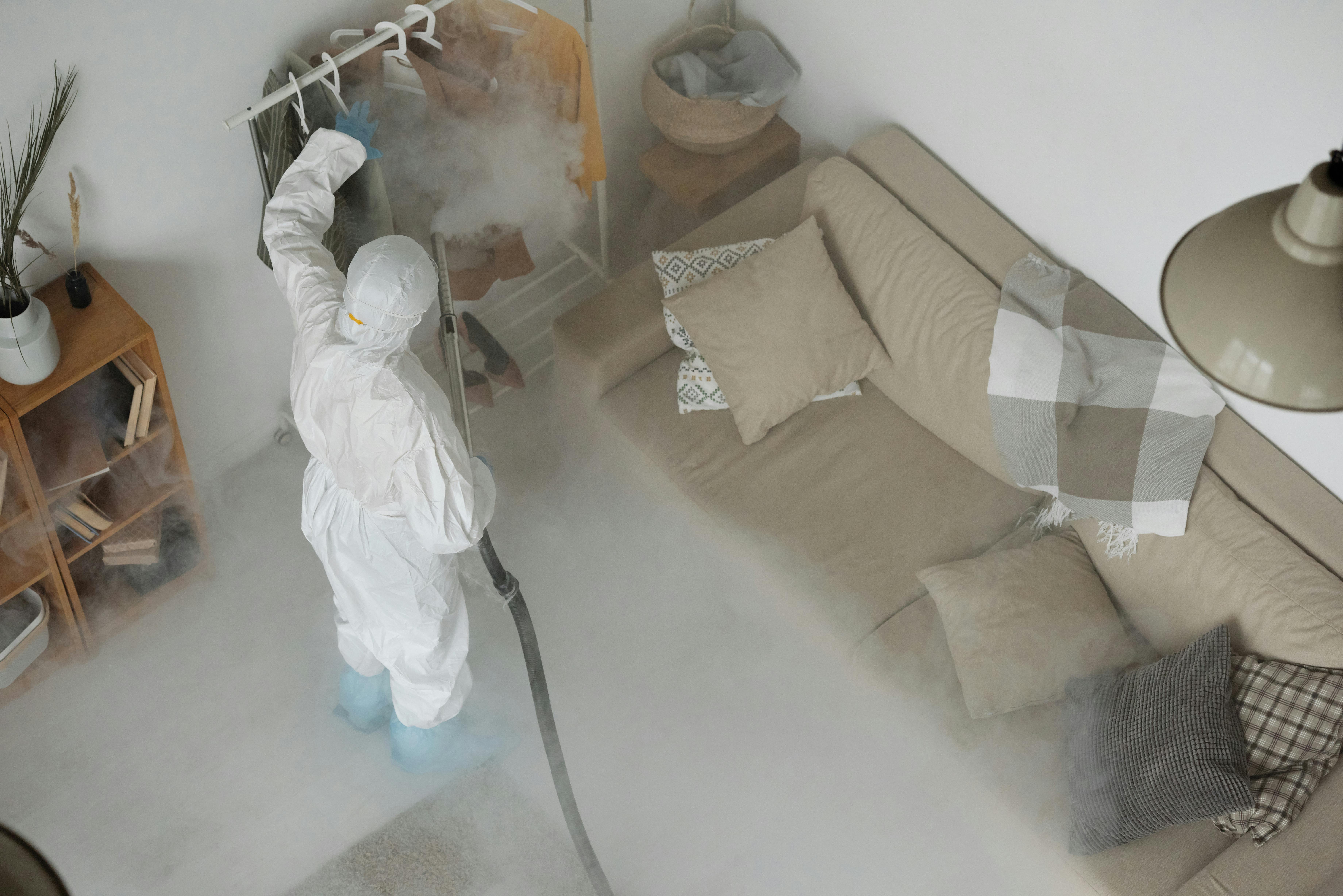
Pest inspections play an indispensable role in maintaining the integrity and safety of both residential and commercial properties. Whether it”?s a historic home or a modern office building, the threat of pests is universal, and the consequences of an infestation can be severe. From health risks to structural damage, pests can cause significant harm if not detected and managed promptly. Therefore, understanding the importance of routine pest inspections is crucial for property owners and managers alike.
The Need for Regular Pest Inspections
Routine pest inspections are essential for several reasons. They help in identifying potential threats before they become full-blown infestations, thereby saving time, money, and effort in the long run. Here are some key reasons why regular inspections are vital:
- Early Detection: Inspections allow for early detection of pest activity, which is crucial in preventing extensive damage.
- Cost-Effective Management: Addressing pest issues early can prevent costly repairs and extensive treatments.
- Health and Safety: Many pests carry diseases that can pose health risks to humans and pets. Inspections help mitigate these risks.
- Preserving Property Value: Regular inspections can protect and enhance the value of a property by ensuring it remains pest-free.
Types of Pests Commonly Found
Residential Properties
Homes are vulnerable to various types of pests, each requiring specific strategies for management. Common household pests include:
- Termites: Known for causing significant structural damage.
- Rodents: Can contaminate food supplies and spread diseases.
- Cockroaches: Spread bacteria and allergens.
Discover expert strategies here to address these common household pests effectively.
Commercial Properties
Commercial establishments face unique pest challenges due to their size and the nature of operations. Some of the common pests include:
- Ants: Often infiltrate food supplies in restaurants and food processing facilities.
- Bed Bugs: Can be a nightmare for hotels and accommodations.
- Flies: Particularly problematic in food service areas.
Learn about tailored solutions for commercial pest control by following this link.
Benefits of Professional Pest Inspections
Engaging professional pest inspectors ensures a thorough evaluation of a property. Professionals bring expertise and experience, offering numerous benefits:
- Comprehensive Assessment: Experts can identify hidden pests and potential entry points.
- Advanced Tools and Techniques: Use of state-of-the-art technology for effective detection.
- Customized Treatment Plans: Solutions tailored to the specific needs of the property.
- Preventive Recommendations: Guidance on preventive measures to keep pests at bay.
Explore advanced guides and tips on professional pest inspections here.
Implementing a Preventive Pest Control Strategy
Implementing a preventive pest control strategy is a proactive approach to managing pest threats. It involves regular inspections and maintenance to ensure that properties remain pest-free. Some key components of a preventive strategy include:
- Regular Monitoring: Continuous surveillance to promptly identify and address pest issues.
- Education and Awareness: Training for occupants on identifying signs of pest activity.
- Environmental Management: Reducing conditions that attract pests, such as food and water sources.
Property owners can find out more about this approach and its benefits by visiting this page.
Conclusion
In conclusion, pest inspections are a crucial aspect of property management that should not be overlooked. Regular inspections and a robust pest control strategy can safeguard the health, safety, and value of a property. By staying informed and proactive, property owners can effectively manage pest risks and ensure their homes and businesses remain secure and healthy environments. For those seeking more information on tailored pest control solutions, additional resources can be accessed here.