
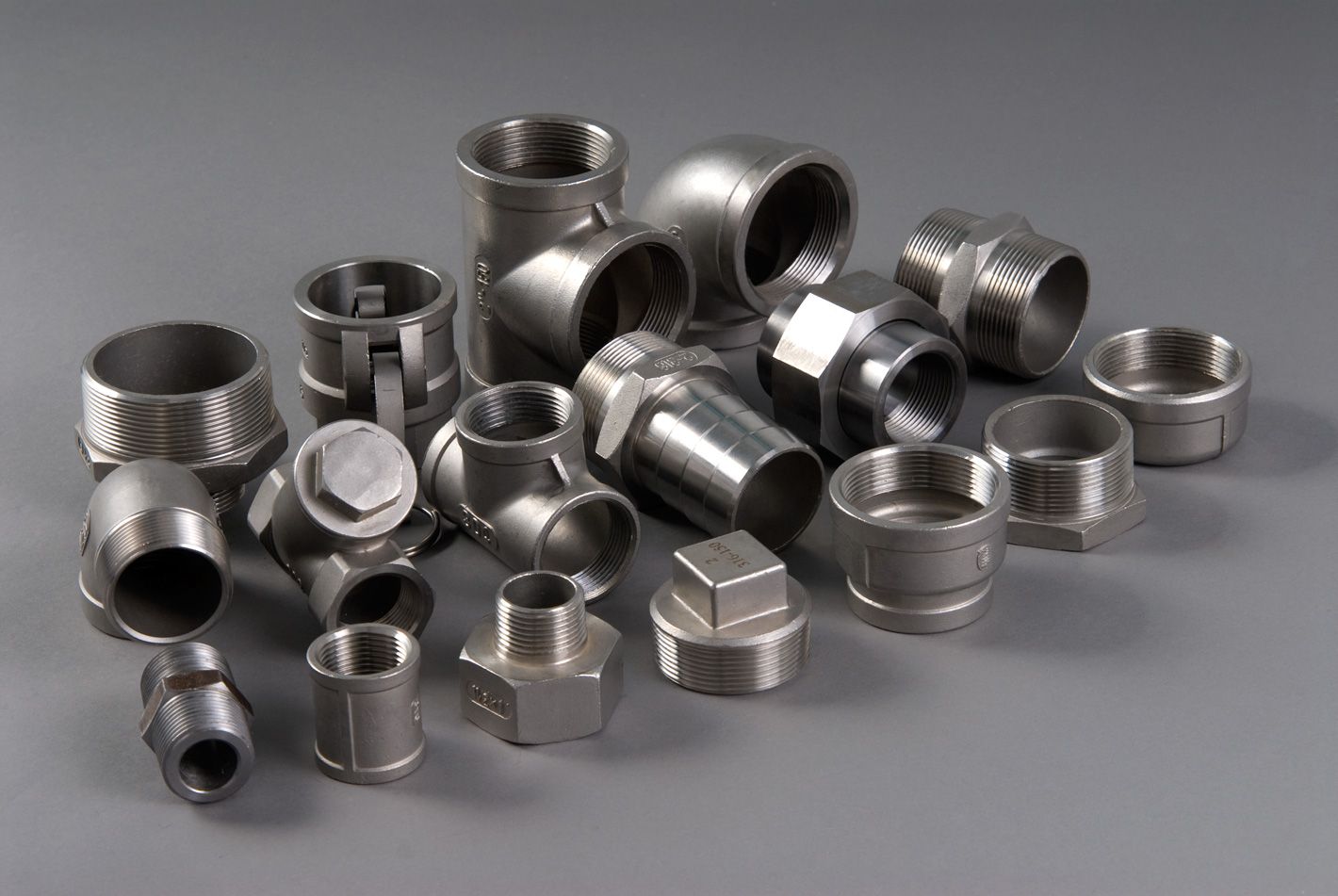
Stainless steel is renowned for its corrosion resistance, making it a preferred material for various applications. However, even stainless steel can become susceptible to corrosion under certain conditions, especially in threaded joints. Corrosion in these joints can compromise the integrity of the connection, leading to potential leaks and failures. Therefore, understanding how to prevent corrosion in stainless steel threaded joints is crucial for maintaining their performance and longevity.
Understanding the Causes of Corrosion
To effectively prevent corrosion, it is essential to first understand the factors contributing to it in stainless steel threaded joints. Common causes include:
- Exposure to corrosive environments, such as saltwater or industrial chemicals.
- Galvanic corrosion, which occurs when different metals are in contact in the presence of an electrolyte.
- Improper maintenance or cleaning practices.
- Incorrect material selection or joint design.
Preventive Measures
Implementing the right strategies can significantly reduce the risk of corrosion in stainless steel threaded joints. Consider the following preventive measures:
Material Selection
Choosing the appropriate grade of stainless steel is crucial. For environments with higher corrosion risks, opt for higher-grade stainless steel, such as 316 or duplex stainless steels, which offer enhanced resistance. For more information on choosing the right stainless steel threaded joint, explore available resources that detail their properties and applications.
Galvanic Isolation
To prevent galvanic corrosion, ensure that stainless steel is not in direct contact with dissimilar metals. Using insulating materials or coatings can effectively isolate the metals and reduce the risk of corrosion.
Environmental Considerations
Minimize the exposure of threaded joints to corrosive substances. This can be achieved by:
- Applying protective coatings or sealants to shield the metal surface.
- Utilizing appropriate gaskets and seals to prevent ingress of moisture and corrosive agents.
Regular Maintenance
Routine inspection and maintenance play a pivotal role in preventing corrosion. Regularly clean the joints and apply lubricants to reduce friction and wear. Replace any worn-out components promptly to maintain the integrity of the joint.
Conclusion
Preventing corrosion in stainless steel threaded joints is essential for ensuring their durability and reliability. By understanding the causes of corrosion and implementing the recommended preventive measures, one can significantly extend the lifespan of these critical components. Whether through careful material selection, environmental management, or regular maintenance, the goal is to maintain a secure and effective connection. For further guidance, consider consulting with experts or reviewing technical resources on stainless steel applications.