
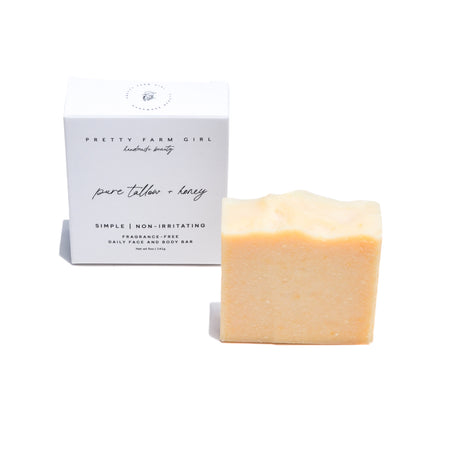
Creating goat milk soap at home is a rewarding endeavor that not only allows for customization but also ensures the use of natural ingredients. Goat milk soap is renowned for its moisturizing properties and gentle nature, making it suitable for all skin types. With the right tools and ingredients, crafting homemade goat milk soap can be a fulfilling project for beginners and seasoned artisans alike. This guide will walk through the essential steps and considerations when making goat milk soap at home.
Why Choose Goat Milk Soap?
Goat milk soap offers a plethora of benefits due to its rich nutrient profile. Here are some compelling reasons to choose it:
- Rich in vitamins: Contains vitamins A, B1, B6, B12, C, D, and E, which are beneficial for skin health.
- Moisturizing properties: The cream present in goat milk helps boost the moisturizing quality of soap.
- Gentle on skin: Ideal for sensitive skin due to its gentle and soothing nature.
- Natural exfoliant: Contains alpha-hydroxy acids that help remove dead skin cells.
Ingredients and Equipment Needed
Ingredients
To make goat milk soap, gather the following ingredients:
- 32 oz. fresh goat milk
- 9 oz. lye (sodium hydroxide)
- 24 oz. olive oil
- 24 oz. coconut oil
- 16 oz. palm oil
- Optional: essential oils for fragrance
Equipment
Ensure you have the following equipment ready:
- Stainless steel or glass mixing bowls
- Silicone spatula
- Stick blender
- Soap mold
- Measuring cups and spoons
- Safety goggles and gloves
Step-by-Step Guide to Making Goat Milk Soap
1. Prepare the Goat Milk
Begin by freezing the goat milk in ice cube trays. This helps prevent the milk from scorching and turning brown when mixed with lye.
2. Mix the Lye Solution
Wearing safety goggles and gloves, slowly add lye to the frozen goat milk in a well-ventilated area. Stir gently until the lye is completely dissolved. This step is crucial in creating a high-quality goat milk soap bar.
3. Melt the Oils
Combine olive, coconut, and palm oils in a separate pot and gently heat until completely melted. Ensure all the oils are well-mixed and at a similar temperature as the lye solution.
4. Combine Lye Solution and Oils
Slowly pour the lye and goat milk mixture into the oils. Use a stick blender to blend the mixture until it reaches “trace,” a stage where the mixture thickens and holds form briefly when drizzled on itself.
5. Add Fragrance and Pour into Mold
If desired, add essential oils or other additives for fragrance. Pour the mixture into a soap mold, smoothing the top with a spatula. Cover the mold with a towel and allow it to saponify for 24-48 hours.
Curing and Storing Goat Milk Soap
Once the soap has set, remove it from the mold and cut it into bars. Place the bars on a rack to cure for 4-6 weeks, turning them occasionally to ensure even curing. Proper curing enhances the quality, making it comparable to the best goat milk soap available on the market.
Conclusion
Making goat milk soap at home is a delightful process that results in a luxurious and beneficial product for personal use or gifting. For those interested in other natural soap options, exploring tallow soap or beef tallow soap might provide additional insight into the world of artisanal soap-making. With patience and practice, the art of soap-making can be both a therapeutic and rewarding experience.