
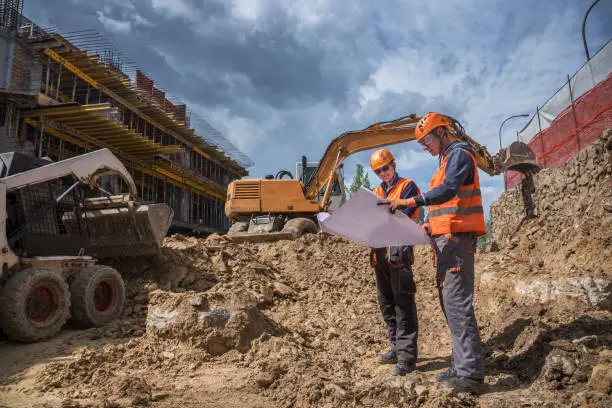
A geotechnical engineering investigation is a critical step in the design and construction of any infrastructure project. It provides essential information about the subsurface conditions, which informs the design and construction methods. This process involves several steps, each crucial in ensuring the safety and stability of the structure. Understanding these steps can significantly impact the success of a project, whether it be a simple residential building or a complex industrial facility. This article provides a detailed guide on conducting a geotechnical engineering investigation, offering insights into the methods and practices that professionals commonly use in the field.
Planning and Objectives
The first step in a geotechnical engineering investigation is planning. This involves defining the objectives of the investigation and understanding the specific requirements of the project. Key considerations include:
- Identifying the purpose of the investigation, such as foundation design, slope stability, or soil contamination.
- Determining the scope of the investigation, including the depth and extent of subsurface exploration.
- Allocating resources and scheduling timelines to ensure efficient project execution.
For further insights on planning and objectives, discover expert strategies here.
Site Reconnaissance
Site reconnaissance is a preliminary assessment of the area to gather initial data. This step includes:
- Reviewing existing geological and topographical maps.
- Conducting visual inspections to identify potential geotechnical issues.
- Collecting historical data relevant to the site, such as previous land use and known geohazards.
To learn more about site reconnaissance techniques, explore advanced guides and tips.
Subsurface Exploration
Drilling and Sampling
Subsurface exploration typically involves drilling and sampling to collect soil and rock specimens. This process is essential for:
- Determining the stratification and properties of subsurface materials.
- Identifying groundwater conditions and variations.
- Collecting samples for laboratory testing to assess soil strength and compressibility.
Interested in the detailed methodologies of subsurface exploration? Find out more about this approach.
Geophysical Methods
In addition to drilling, geophysical methods provide non-invasive techniques to assess the subsurface. These methods include:
- Seismic refraction and reflection surveys to determine soil and rock profiles.
- Electrical resistivity imaging to detect variations in soil properties.
- Ground-penetrating radar for identifying subsurface anomalies.
To explore these advanced geophysical methods, learn about our tailored solutions.
Data Analysis and Reporting
Once data is collected, the next step is analysis and reporting. This involves:
- Interpreting field and laboratory data to assess soil and rock conditions.
- Evaluating the potential risks and challenges for the construction project.
- Preparing a comprehensive report that outlines findings and provides recommendations.
For further details on data analysis techniques, explore advanced guides and tips.
Conclusion
Conducting a thorough geotechnical engineering investigation is vital for the success of any construction project. By understanding and implementing the steps outlined above, professionals can ensure that they gather the necessary information to design safe and efficient structures. Adhering to best practices in planning, exploration, and data analysis will lead to informed decision-making and ultimately, project success. To delve deeper into geotechnical investigation processes, discover expert strategies here.