
Embarking on a journey to become a private airplane pilot is an exciting and rewarding venture. However, one of the most significant considerations for aspiring pilots is the cost of training. Understanding the financial commitment involved is crucial for planning and achieving career aspirations in aviation. This article delves into the various costs associated with private airplane pilot courses, helping prospective pilots navigate their options and make informed decisions.
Factors Affecting the Cost of Pilot Training
The cost of obtaining a private pilot license (PPL) can vary significantly based on several factors. Understanding these factors can help in estimating the total expenses involved in pilot training:
- Location: The geographical area where the training takes place can significantly impact the cost. Training in urban areas or at popular flight schools may be more expensive.
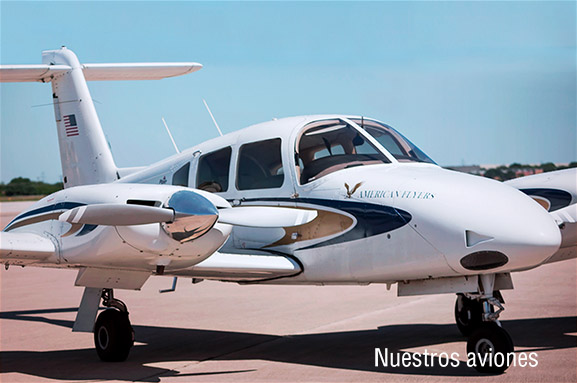
- Type of Aircraft: The type of aircraft used for training?single-engine or multi-engine?can affect the overall cost.
- Instructor Experience: Highly experienced instructors might charge more for their expertise.
- Training Duration: The length of time it takes to complete the course can vary, affecting the total cost.
- Additional Certifications: Students opting for additional certifications such as Instrument Rating (IR) or Commercial Pilot License (CPL) will incur further costs.
Typical Costs Involved in Pilot Training
While costs can vary, some typical expenses associated with pilot training include:
Flight School Fees
Flight schools charge fees for their training programs, which generally cover aircraft rental, instructor fees, and ground school training. On average, these fees can range from $8,000 to $15,000, depending on the factors mentioned earlier. For those looking to deepen their understanding, discover expert strategies here.
Additional Costs
- Medical Examination: A medical exam is required to ensure the student is fit to fly, typically costing between $75 and $200.
- Study Materials: Books, charts, and other study aids can add another $200 to $500 to the total cost.
- Examination Fees: Written and practical exams come with fees, often totaling around $500.
- Miscellaneous Costs: These may include headsets, flight bags, and other necessary gear, which can cost up to $300. For comprehensive advice on necessary gear, explore advanced guides and tips.
Financial Aid and Payment Options
Many flight schools offer financial aid or payment plans to help students manage the cost of training. Prospective pilots should inquire about scholarships, grants, or loan programs available through their chosen flight school. Find out more about this approach to financial planning for pilot training.
Conclusion
While the cost of a private airplane pilot course can seem daunting, understanding the various factors and typical expenses involved can help in planning effectively. Prospective pilots should research and choose a flight school that aligns with their budget and career goals. By exploring options and planning finances carefully, the dream of becoming a private pilot can become a reality. Those interested in tailored solutions can learn about our tailored solutions to pilot training expenses.