
Basements are prone to water infiltration which can result in dampness, mold growth, and structural damage. Addressing these issues with external basement waterproofing solutions is vital to maintain the integrity of the home and ensure a dry, healthy living space. External waterproofing focuses on preventing water from entering the basement in the first place, offering a long-term solution to water-related problems.
Understanding External Basement Waterproofing
External basement waterproofing involves implementing barrier systems on the outside of a foundation to prevent water from entering the basement. It is a proactive approach that addresses potential leaks and water damage before they occur. This method is particularly effective for homes located in areas with high rainfall or poor soil drainage.
The Benefits of External Waterproofing
- Prevents structural damage by blocking water at the source.
- Reduces the risk of mold and mildew, promoting healthier indoor air quality.
- Enhances the property”?s value by maintaining its structural integrity.
- Provides a long-lasting solution with minimal maintenance required.
Key Components of External Waterproofing Systems
A comprehensive external waterproofing system is composed of various elements designed to work together to prevent water infiltration. These components include:
1. Excavation
The first step in external waterproofing is excavation. This involves digging around the foundation to reach the exterior wall surfaces. This process allows for the application of waterproofing materials and ensures that all potential entry points for water are addressed.
2. Waterproof Coatings and Membranes
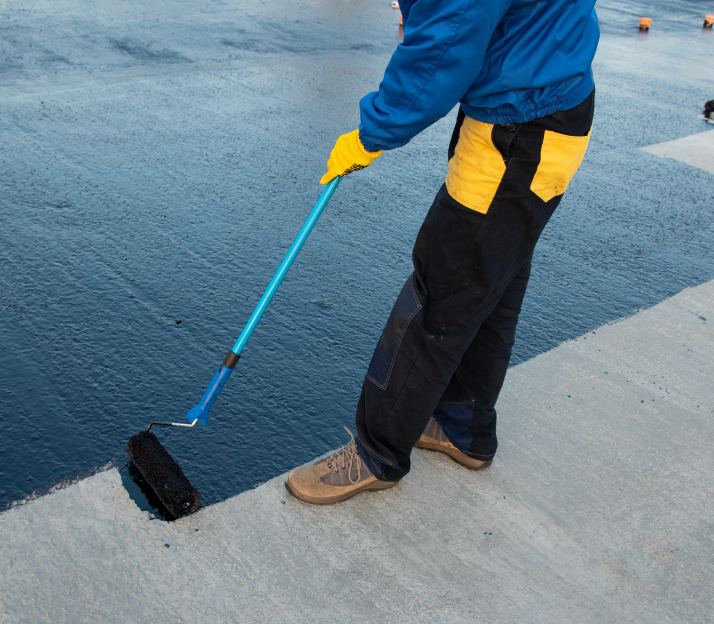
Once the foundation is exposed, waterproof coatings and membranes are applied to the exterior walls. These materials form a barrier that prevents water from penetrating the concrete. Various options are available, including rubberized asphalt membranes, polymer-based coatings, and cementitious waterproof coatings.
3. Drainage Systems
An effective drainage system is crucial for directing water away from the foundation. This often includes installing a French drain system, which consists of a trench filled with gravel and a perforated pipe that redirects water away from the home. Proper drainage is essential to reduce hydrostatic pressure against the foundation walls.
4. Backfill and Landscaping
After waterproofing and drainage systems are installed, the excavated area is backfilled. Proper backfilling techniques and sloping ensure that water is directed away from the foundation. Landscaping, such as grading and planting water-absorbent plants, can further aid in managing surface water.
When to Consider External Waterproofing
Certain situations warrant the consideration of basement waterproofing services, particularly external waterproofing. These include:
- Signs of water seepage or dampness in the basement walls or floors.
- The presence of mold or mildew, which can indicate persistent moisture problems.
- Cracks in the foundation that allow water entry.
- Homes in areas with high water tables or frequent heavy rainfall.
Choosing the Right Waterproofing Solution
Given the complexities involved in basement foundation waterproofing, consulting with professionals is advisable. They can assess the specific needs of a property and recommend appropriate solutions. Additionally, seeking basement waterproofing near me can ensure timely and efficient service.
For homeowners looking to protect their investment, external waterproofing offers a robust and reliable solution. It ensures that the basement remains dry and usable, enhances the overall health of the home environment, and contributes to the longevity of the building structure.