
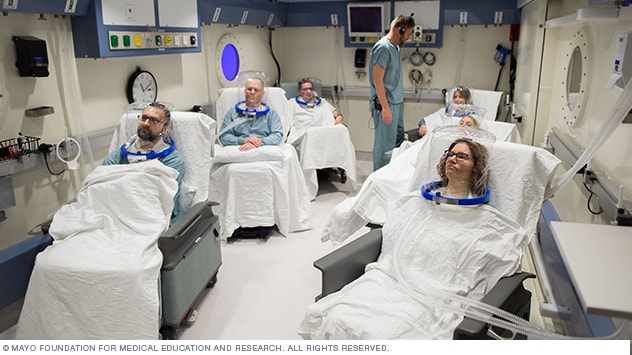
The medical landscape is ever-evolving, with innovative treatments continually emerging to address various health conditions. Among these innovations, oxygen chamber therapy, also known as hyperbaric oxygen therapy (HBOT), has gained considerable attention. This non-invasive treatment method is utilized for a wide range of health issues, from chronic wounds to neurological disorders. Understanding the science behind this therapy can shed light on how it benefits patients and why it is becoming increasingly popular.
The Basics of Oxygen Chamber Therapy
Oxygen chamber therapy involves breathing pure oxygen in a pressurized room or chamber. The pressure in the chamber is typically 1.5 to 3 times higher than normal atmospheric pressure. This increase in pressure allows the lungs to gather more oxygen than would be possible under normal pressure levels.
How It Works
- Increased Oxygen Levels: Breathing pure oxygen under high pressure saturates the blood with oxygen.
- Enhanced Healing: The high oxygen levels accelerate the body”?s healing processes by promoting tissue repair and reducing inflammation.
- Improved Blood Flow: Oxygen therapy helps in the formation of new blood vessels, enhancing circulation in affected areas.
Applications and Benefits
Oxygen chamber therapy is employed in various medical scenarios, offering numerous health benefits:
Medical Conditions Treated
- Decompression Sickness: Commonly experienced by divers, this condition is treated effectively with oxygen chamber therapy.
- Chronic Wounds: Patients with diabetic ulcers or other non-healing wounds see significant improvement.
- Neurological Disorders: Some neurological conditions, such as traumatic brain injuries, respond positively to the increased oxygen levels.
For more detailed information on oxygen chamber therapy, visit the specified link.
Scientific Evidence Supporting Oxygen Therapy
Numerous studies have validated the effectiveness of HBOT in treating various conditions. Scientific evidence highlights the therapy’s ability to enhance the body’s natural healing processes.
Research Findings
- Improved Healing Rates: Studies have shown that HBOT can significantly reduce the time required for healing chronic wounds.
- Neurological Benefits: Research suggests improvements in cognitive function and motor skills in patients with neurological impairments.
- Anti-inflammatory Effects: Oxygen chamber therapy has been noted for its ability to reduce inflammation, aiding recovery.
Patient Experiences and Reviews
Many patients have reported positive outcomes following oxygen chamber therapy. These testimonials often highlight improvements in quality of life and symptom relief. Check out customer reviews here for firsthand accounts of the therapy’s effectiveness.
Conclusion
Oxygen chamber therapy is a promising treatment option with a strong scientific foundation supporting its efficacy. It is a versatile therapy that can address various health concerns, providing hope and healing for many patients. As interest in this therapy continues to grow, it’s crucial to stay informed about the latest research and patient experiences. Those interested can explore more about its applications and benefits through reputable sources and reviews.