
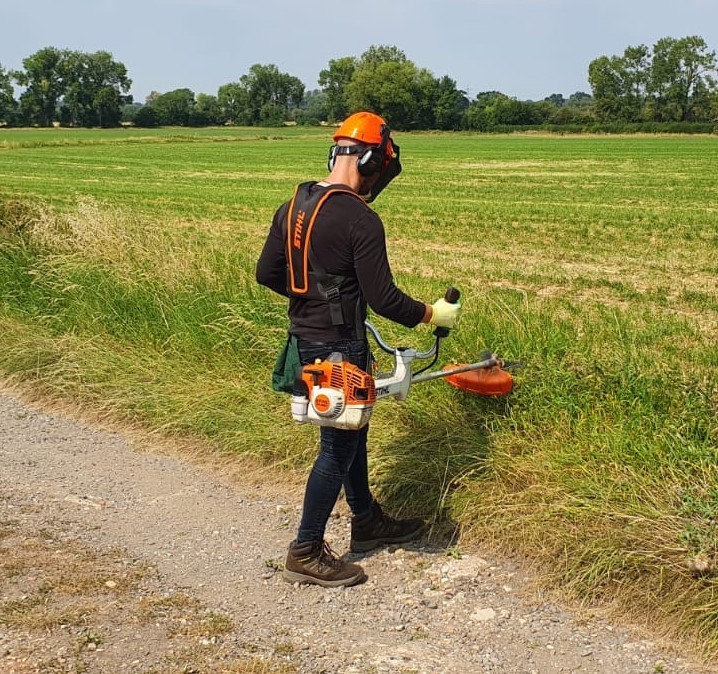
In the world of forestry and landscaping, the rush saw is an essential tool for professionals working in Alberta. This powerful equipment is used to clear brush and maintain landscapes efficiently. However, operating a rush saw safely and effectively requires proper training and certification. Understanding the certification process in Alberta ensures that operators are competent and compliant with safety regulations, protecting both themselves and their environment. This article explores the steps and requirements involved in obtaining rush saw certification in this Canadian province.
Understanding Rush Saw Certification
Rush saw certification is crucial for anyone aiming to use this equipment professionally. Certification not only ensures safe operation but also enhances career prospects for operators in the forestry and landscaping sectors. The certification process in Alberta is designed to cover several key areas:
- Understanding the components and functions of a rush saw.
- Learning about safety protocols and protective gear.
- Hands-on training for effective operation of the equipment.
- Knowledge of environmental regulations and best practices.
Achieving rush saw certification in Alberta demonstrates a commitment to maintaining high safety standards and environmental responsibility.
The Certification Process
The certification process involves a series of steps that ensure operators are well-prepared to use a rush saw. Below is a detailed look at what this entails:
1. Enroll in a Recognized Training Program
The first step is to find an accredited institution that offers rush saw training. These programs are designed to provide comprehensive instruction on the use of the tool, emphasizing safety and efficiency.
- Research different training providers to find one that suits specific needs and schedules.
- Ensure the program is recognized by relevant Alberta authorities.
2. Complete Theoretical and Practical Training
Training programs typically consist of both theoretical and practical components. The theoretical part covers essential knowledge, such as equipment maintenance and safety regulations, while the practical component involves hands-on training with the saw.
- Theoretical training typically includes classroom instruction or online modules.
- Practical training involves supervised use of the rush saw in a controlled environment.
3. Pass the Certification Exam
After completing the training, candidates must pass a certification exam. This exam tests both their theoretical knowledge and practical skills.
- The exam typically includes a written test and a practical assessment.
- Candidates must demonstrate their ability to operate the rush saw safely and effectively.
Maintaining Certification
Once certification is obtained, it is important for operators to maintain their credentials. This often involves ongoing training and periodic recertification to ensure that skills and knowledge remain up-to-date with industry standards and technological advancements. Continuing education may cover new safety regulations, technological updates, and advanced techniques in rush saw operation.
- Attend refresher courses or workshops as required.
- Stay informed about changes in safety standards and regulations.
Operators are encouraged to regularly review their certification status and seek further training opportunities to keep their skills sharp and relevant.
Conclusion
Obtaining rush saw certification in Alberta is a significant step for those looking to work professionally in forestry and landscaping. It ensures that operators are equipped with the necessary skills and knowledge to use the equipment safely and effectively. By enrolling in a recognized training program, completing comprehensive training, and maintaining certification, professionals can enhance their career opportunities and contribute to a safer working environment. For more information on certification and training programs, visit rush saw certification in Alberta.