
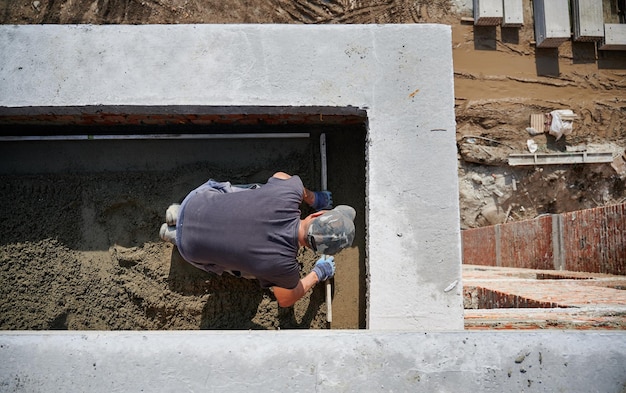
Leveling a concrete foundation is an essential step for ensuring the structural integrity and longevity of a building. Uneven or sinking foundations can lead to severe issues, including structural damage, water intrusion, and decreased property value. Addressing these problems promptly with the right techniques can prevent further deterioration and costly repairs. This guide provides a comprehensive overview of the expert approaches necessary for effectively leveling concrete foundations.
Understanding the Importance of Foundation Leveling
Foundation leveling is crucial for maintaining the safety and functionality of a building. An uneven foundation can cause:
- Cracks in walls and ceilings
- Sticking doors and windows
- Water pooling around the foundation
Rectifying such problems early can prevent extensive damage and ensure the safety of the building”?s occupants. Discover expert strategies here.
Signs Your Foundation Needs Leveling
Recognizing the signs of a settling or uneven foundation is the first step in addressing the issue. Key indicators include:
- Visible cracks in the foundation or walls
- Gaps around windows and doors
- Uneven floors
- Water damage or moisture in the basement
Identifying these signs early can help in taking timely action. Find out more about this approach.
Methods of Leveling Concrete Foundations
Mudjacking
Mudjacking is a traditional technique used to raise and level concrete slabs. The process involves pumping a slurry of water, soil, and cement beneath the foundation to fill voids and lift the concrete. This method is cost-effective and relatively quick, making it a popular choice for minor leveling needs.
Polyurethane Foam Injection
Another advanced method is polyurethane foam injection, which involves injecting high-density foam into the foundation. As the foam expands, it lifts the concrete slab, providing a long-lasting solution for uneven foundations. This technique is ideal for quick repairs and minimizes disruption to the surrounding area. Learn about our tailored solutions.
Helical Piers
For more severe foundation issues, helical piers are often employed. These are steel shafts with helices that are screwed into the ground to support and stabilize the foundation. Helical piers are suitable for heavy structures and can be installed in various soil conditions, offering a robust solution for significant foundation settling.
Choosing the Right Solution
Selecting the appropriate method for leveling a concrete foundation depends on several factors, such as:
- The extent of foundation damage
- Soil conditions
- Budget constraints
- Time considerations
Consulting with professionals is recommended to assess the specific needs of your foundation and choose the most effective solution. Explore advanced guides and tips.
Preventive Measures and Maintenance
Once the foundation is leveled, ongoing maintenance is crucial to prevent future issues. Consider the following maintenance tips:
- Ensure proper drainage around the foundation
- Maintain consistent moisture levels in the soil
- Inspect the foundation regularly for signs of movement
Preventive measures are key to prolonging the life of a foundation and avoiding costly repairs in the future. Find out more about this approach.
In conclusion, addressing foundation leveling issues promptly with expert solutions can enhance the durability and safety of a building. Understanding the signs of foundation problems and selecting the appropriate leveling method are crucial steps in maintaining a solid and stable structure. For comprehensive foundation leveling services and expert advice, explore advanced guides and tips available from leading professionals in the field.