
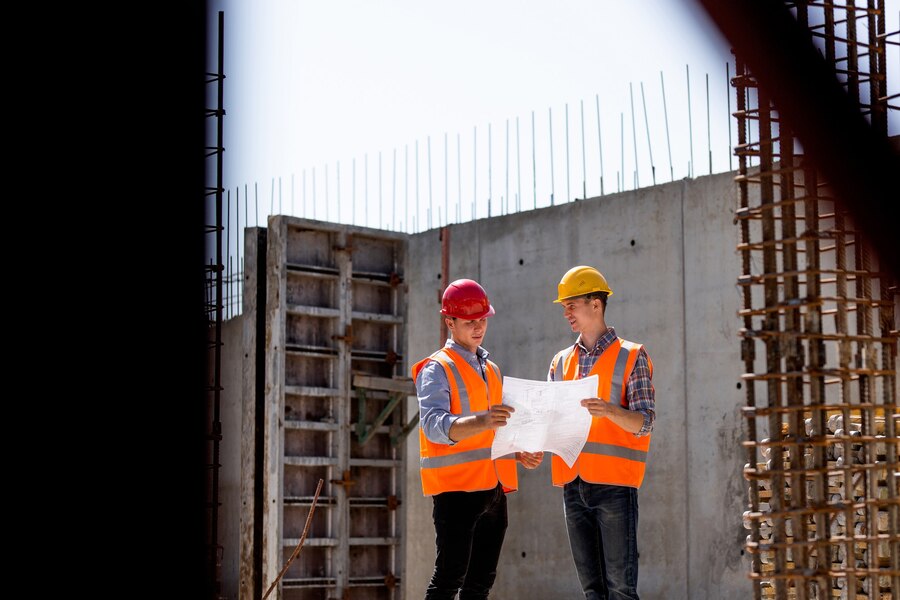
Constructing a basement with concrete blocks is a tried-and-true method that provides durability, strength, and versatility. It is a popular choice among builders and homeowners who value long-lasting solutions. This guide delves into the intricacies of concrete block basement construction, offering insights into planning, materials, and key considerations to ensure a successful project.
Understanding the Basics of Concrete Block Construction
Concrete block, also known as concrete masonry unit (CMU), forms the backbone of a robust basement. These blocks are manufactured with precise dimensions to maintain consistency and quality across projects. Key benefits of using concrete blocks include:
- High structural integrity and durability.
- Resistance to environmental stresses such as mold, mildew, and fire.
- Versatility in design, allowing for various finishes and styles.
Essential Steps in Concrete Block Basement Construction
Site Preparation
Proper site preparation is crucial for any basement construction project. It involves:
- Conducting soil testing to assess load-bearing capacity.
- Excavating the site to the required depth, ensuring space for structural elements.
- Implementing effective drainage systems to prevent water accumulation.
Foundation and Footing
A strong foundation is pivotal in supporting the entire structure. This phase includes:
- Laying out the footings with precise measurements.
- Reinforcing footings with steel bars for added strength.
- Ensuring footings are level to prevent structural issues.
Wall Construction
Building the walls involves stacking and securing the concrete blocks. Key aspects include:
- Using mortar to bond blocks together, ensuring stability.
- Incorporating insulated wall panel installation for enhanced thermal efficiency.
- Regularly checking alignment and plumb during construction.
Key Considerations for a Successful Project
Waterproofing
Waterproofing is integral to prevent water intrusion and maintain structural integrity. Consider:
- Applying waterproof coatings on both the exterior and interior surfaces.
- Installing drainage systems such as French drains.
- Utilizing vapor barriers to minimize moisture penetration.
Insulation and Energy Efficiency
Insulation plays a significant role in maintaining a comfortable basement environment. It involves:
- Choosing appropriate insulation materials based on climate and building codes.
- Ensuring thorough coverage to eliminate cold spots.
- Considering energy-efficient strategies to reduce heating and cooling costs.
Working with a Professional
Engaging a reputable basement construction contractor ensures expertise and quality craftsmanship. Professional services include:
- Comprehensive project management from planning to completion.
- Adherence to safety standards and building codes.
- Utilization of quality materials and advanced construction techniques.
Conclusion
Mastering the art of concrete block basement construction demands a thorough understanding of the materials, techniques, and best practices involved. With proper planning, execution, and professional guidance, this approach offers a durable and adaptable solution for modern building needs. For those seeking expert assistance, exploring basement construction services can provide the necessary support to achieve a successful and enduring basement structure.