
Selecting the appropriate lift fixtures is a critical decision that can significantly impact the functionality, aesthetics, and usability of an elevator system. Whether upgrading an existing lift or outfitting a new installation, understanding the options available and the factors to consider can help ensure a successful choice. This guide aims to provide essential insights into choosing the right lift fixtures, considering various elements such as design, technology, compliance, and user experience.
Understanding the Types of Lift Fixtures
Lift fixtures encompass a range of components that users interact with, including control panels, buttons, displays, and lighting. Understanding the different types can help in making an informed decision:
- Control Panels: These are the main interface for users to select floors and other commands. Options include touch screens, traditional push buttons, or hybrid models.
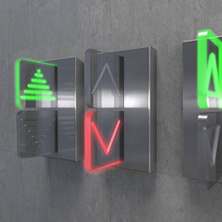
- Indicator Displays: These provide visual cues for the lift’s current status, such as floor position and movement direction. Common types include LED and LCD displays.
- Lighting Fixtures: Enhance visibility and safety within the lift, often available in LED options for energy efficiency.
- Emergency Systems: Essential for safety, these fixtures include alarms, intercoms, and manual override controls.
Key Considerations When Choosing Lift Fixtures
Design and Aesthetics
The design of lift fixtures can significantly influence the overall aesthetic of the building. Consider the following:
- Ensure that the style of the fixtures complements the architectural theme of the building.
- Choose materials and finishes that are durable and easy to maintain, such as stainless steel or brushed aluminum.
- Consider custom designs for a bespoke look that enhances the building”?s interior design.
Technological Features
Incorporating advanced technology into lift fixtures can enhance user convenience and system efficiency:
- Consider smart control panels that support IoT connectivity for remote monitoring and maintenance.
- Explore touch-free options, which have become more relevant due to hygiene concerns.
- Look for energy-efficient solutions, such as LED lighting and low-power displays.
Compliance and Safety Standards
Compliance with relevant safety standards is non-negotiable when selecting lift fixtures:
- Ensure all fixtures meet the latest safety regulations and standards, such as EN 81-70 for accessibility.
- Verify that emergency systems are robust and capable of functioning under all conditions.
- Confirm that the fixtures are compatible with the lift’s safety systems, ensuring a seamless integration.
User Experience Considerations
The choice of lift fixtures should prioritize user experience to enhance accessibility and ease of use:
- Select fixtures that are intuitive and easy to use, reducing the learning curve for users.
- Ensure accessibility features are integrated, such as Braille on buttons and audible floor announcements.
- Consider user feedback mechanisms to continually improve the experience based on actual usage data.
Conclusion
Choosing the right lift fixtures is a multifaceted decision that impacts not only the functionality and safety of the elevator system but also the overall user experience and building aesthetics. By considering factors such as design, technology, compliance, and user needs, building managers and stakeholders can make informed choices that will serve the building and its occupants well into the future. For more information on selecting the best lift fixtures, visit industry-leading resources and consult with experts who can provide tailored advice for specific project requirements.