
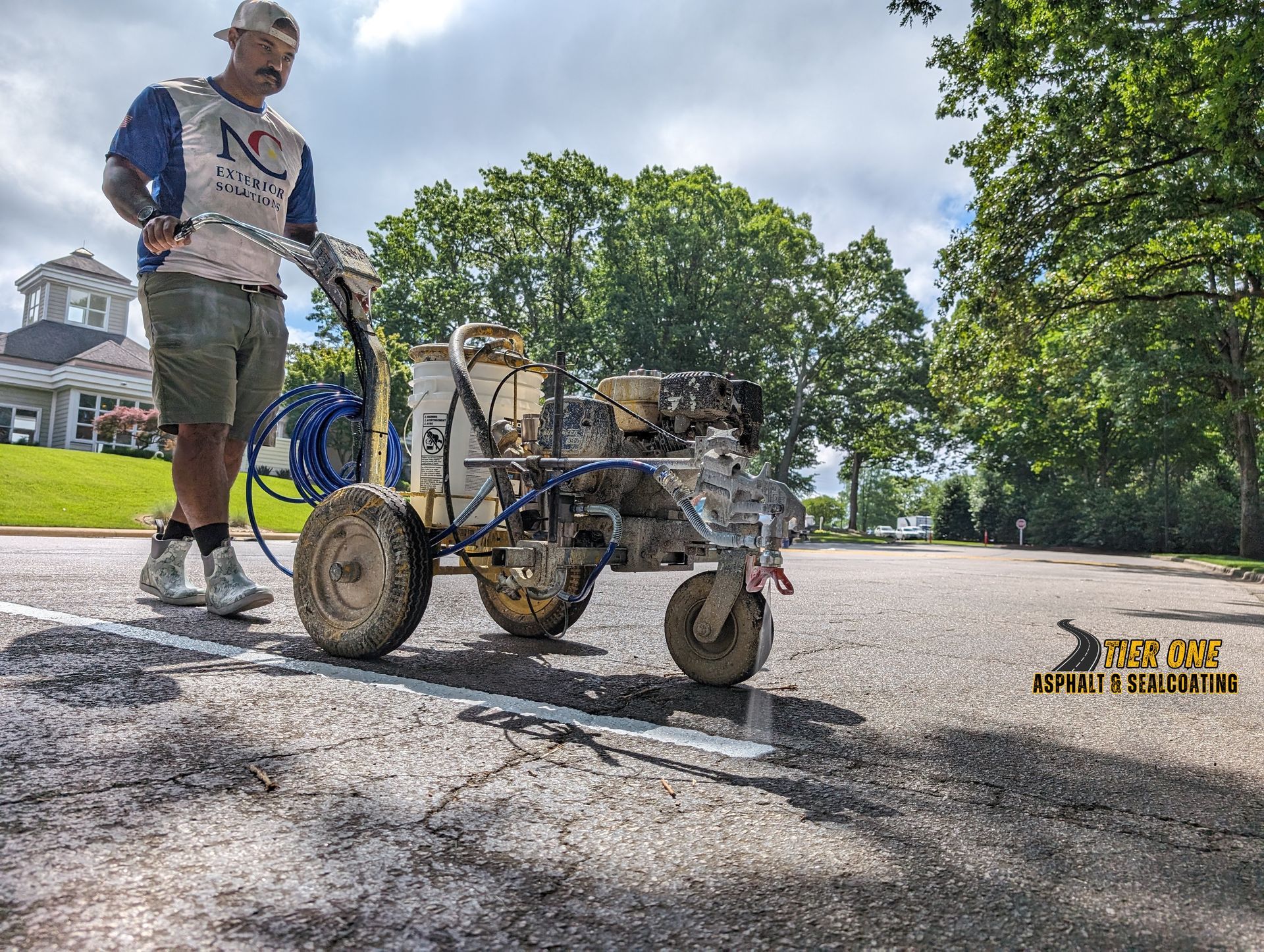
Asphalt surfaces are subject to wear and tear over time due to weather conditions, traffic loads, and the natural aging process. Cracks in asphalt can compromise the structural integrity of the pavement and lead to more extensive damage if not addressed promptly. Effective asphalt crack repair solutions are essential for maintaining the durability and longevity of these surfaces. This article explores various methods and materials used in asphalt crack repair, providing insights into best practices for achieving long-lasting results.
Understanding Asphalt Crack Formation
Cracks in asphalt can be caused by several factors, including:
- Thermal Stress: Temperature fluctuations can cause the asphalt to expand and contract, leading to cracks.
- Water Infiltration: Water can seep into asphalt, freeze, and then expand, causing cracks.
- Heavy Traffic: Continuous pressure from vehicles can weaken the asphalt, resulting in cracks.
- Substandard Installation: Poor quality materials or improper installation techniques can contribute to cracking.
Understanding the underlying cause of asphalt cracks is crucial for selecting the appropriate repair method. Read more about this topic to gain a comprehensive understanding of asphalt deterioration.
Types of Asphalt Cracks
Hairline Cracks
These are small, narrow cracks that can develop into larger issues if not addressed. They often result from surface wear or minor shifts in the underlying substrate.
Alligator Cracks
Named for their resemblance to alligator skin, these cracks form interconnected patterns and indicate structural failure. They are often caused by heavy loads or poor drainage.
Edge Cracks
Edge cracks appear along the outer edges of the pavement and are typically caused by poor support at the edges or water infiltration.
For a more detailed classification of asphalt cracks and their causes, explore further insights here.
Effective Crack Repair Techniques
Crack Sealing
Crack sealing is one of the most effective methods for preventing water infiltration and further damage. This involves filling the cracks with a hot sealant, which bonds to the crack edges and prevents moisture from entering.
- Hot-Applied Sealants: These are durable and flexible, making them suitable for regions with extreme weather conditions.
- Cold-Applied Sealants: Easier to apply but may not be as long-lasting as hot-applied options.
Learn more in this detailed guide on selecting the right sealant for specific environmental conditions.
Crack Filling
Unlike sealing, crack filling involves placing a material that does not bond with the asphalt but rather fills the void. This method is used for less severe cracks that do not exhibit significant movement.
- Asphalt Emulsion: A cost-effective option for minor cracks.
- Polymer-Modified Emulsions: These provide added flexibility and resistance to cracking.
Preventive Measures for Asphalt Maintenance
Regular maintenance and preventive measures can significantly extend the lifespan of asphalt pavements. Here are some strategies:
- Regular Inspections: Conducting routine checks can help identify and address minor cracks before they escalate.
- Sealcoating: Applying a protective layer over the asphalt can shield it from UV rays, water, and chemicals.
- Proper Drainage: Ensuring adequate drainage systems can prevent water accumulation and subsequent cracking.
Find additional information here on the importance of proactive asphalt maintenance and best practices.
By understanding the types of cracks and employing effective repair techniques, property owners can ensure the longevity and safety of their asphalt surfaces. Regular maintenance paired with timely repairs can prevent costly replacements and enhance the overall appearance of the pavement.