
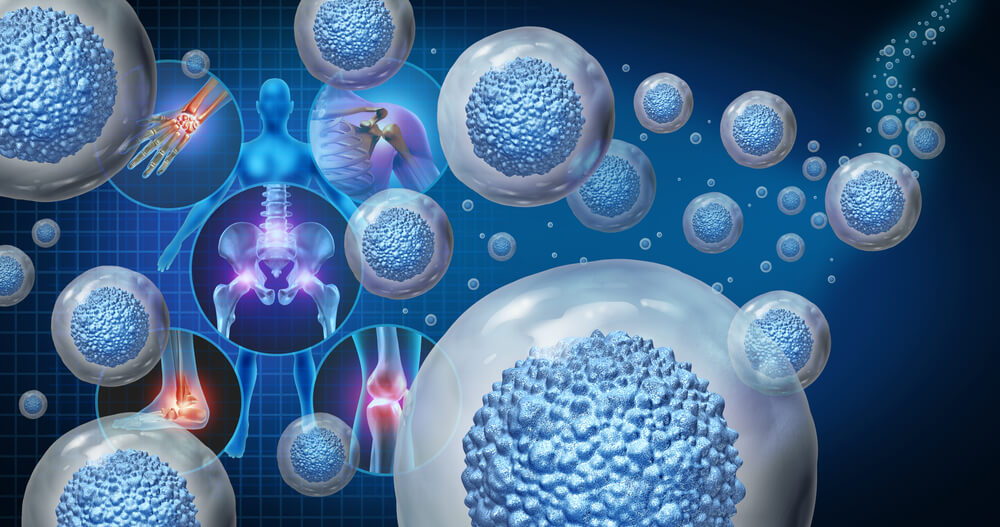
The field of regenerative medicine is evolving rapidly, with one area of significant interest being the use of cord stem cells. These cells, harvested from the umbilical cord after childbirth, hold immense potential in treating a variety of medical conditions. As research progresses, patients are increasingly curious about how cord stem cells might benefit them or their loved ones. Understanding the potential of these cells and the process of stem cell banking is essential for making informed decisions.
Understanding Cord Stem Cells
Cord stem cells are derived from the umbilical cord blood and tissue. They are known for their unique properties, which include the ability to differentiate into various cell types. This makes them an invaluable resource for regenerative therapies. The ability of these cells to transform into different cell types offers promising treatment opportunities for conditions that currently have limited treatment options.
Key Benefits of Cord Stem Cells
- Versatility: Cord stem cells can develop into multiple cell types, including blood, bone, and neural cells.
- Non-Invasive Collection: Collecting these cells is a non-invasive procedure that poses no risk to the mother or baby.
- Potential for Future Therapies: Ongoing research indicates potential applications in treating diseases such as leukemia, lymphoma, and various genetic disorders.
The Process of Stem Cell Banking
Stem cell banking involves collecting and storing umbilical cord stem cells for future use. The process is straightforward and typically begins with a decision made by parents during pregnancy. Upon childbirth, the umbilical cord is collected and sent to a laboratory where the stem cells are extracted and preserved.
Steps in Stem Cell Banking
- Enrollment: Parents enroll in a cord stem cells banking program during pregnancy.
- Collection: The umbilical cord is collected immediately after birth.
- Processing: The collected cord is processed to extract stem cells.
- Storage: The stem cells are cryogenically preserved for potential future use.
Potential Applications of Cord Stem Cells
The therapeutic potential of cord stem cells is vast, with current research exploring their use in treating a variety of conditions. Here are some key areas where these cells show promise:
- Blood Disorders: Cord stem cells are already used in the treatment of blood-related conditions such as leukemia and anemia.
- Genetic Diseases: Research is underway to explore treatments for genetic disorders like cystic fibrosis and muscular dystrophy.
- Regenerative Medicine: These cells are being studied for their potential in regenerating damaged tissues and organs, offering hope for heart disease and nerve damage patients.
Making an Informed Decision
For many, the decision to bank cord stem cells is a proactive step toward future health security. Given the potential applications and ongoing research, understanding the benefits and limitations is crucial. Patients should consult with healthcare providers to evaluate the suitability of cord stem cell banking based on their personal and family medical history.
In conclusion, cord stem cells represent a significant advancement in medical science with their potential applications in treating a multitude of conditions. As research progresses, staying informed about developments in this field will empower patients to make educated decisions regarding stem cell banking and its possible benefits.