
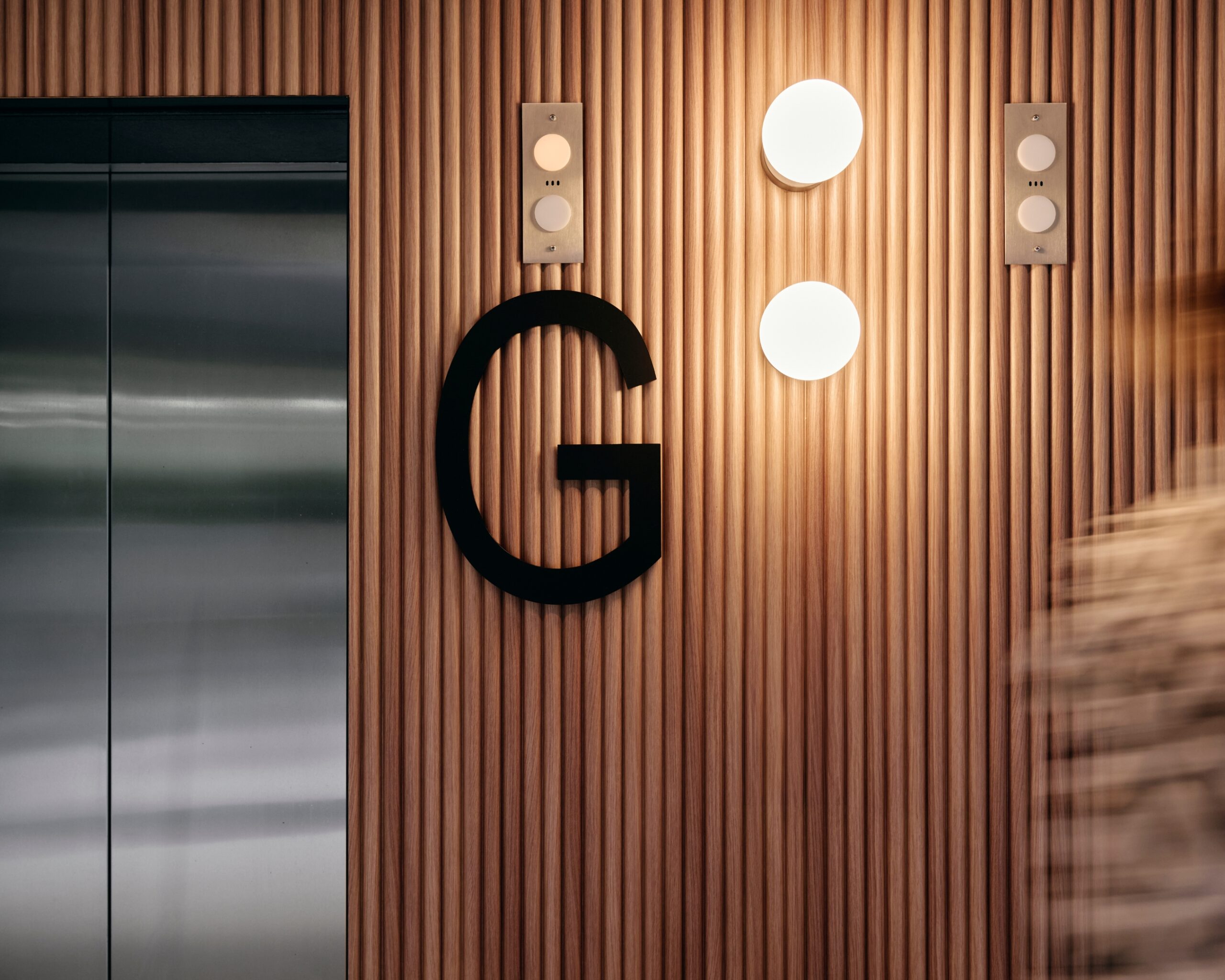
Fluted wall panels are gaining prominence in both residential and commercial design projects for their striking aesthetic and functional versatility. With their elegant grooves and textured surfaces, these panels transform ordinary spaces into sophisticated environments. The interest in these panels goes beyond mere appearance, as they offer a multitude of benefits ranging from acoustics to sustainability. This article explores the versatility and applications of fluted wall panels, offering insights into why they are favored by architects and designers alike.
Understanding Fluted Wall Panels
Fluted wall panels, characterized by their vertical grooves and ridges, are a popular choice for modern interiors. These panels are typically made from materials such as wood, metal, or composite materials, allowing them to blend seamlessly into various design themes. The structured texture of fluted panels not only adds depth to the walls but also creates dynamic visual interest.
Key Benefits of Fluted Wall Panels
- Acoustic Improvement: The ridged surfaces of fluted panels help in sound absorption, making them an ideal choice for spaces requiring noise reduction such as offices and conference rooms.
- Decorative Appeal: Fluted wall panels add elegance and sophistication, enhancing the aesthetic of any space.
- Versatility: Suitable for both interior and exterior applications, they cater to diverse design preferences and requirements.
- Sustainability: Many manufacturers provide environmentally friendly options, utilizing sustainable materials and processes.
Applications Across Various Spaces
Fluted wall panels are versatile and can be utilized in various settings, each serving a distinct purpose while maintaining their aesthetic charm.
Residential Use
In residential settings, fluted wall panels can be used to create feature walls, adding a touch of luxury to living rooms or bedrooms. Their ability to enhance acoustics also makes them suitable for home theaters. For those seeking to incorporate these panels, exploring fluted wall panels options can provide a range of styles and finishes to match interior decor.
Commercial Spaces
In offices and commercial buildings, fluted panels are often used to create partitions or as cladding for reception areas. Their sound-absorbing properties make them ideal for creating a conducive work environment. Additionally, their sleek design can enhance the professional appearance of boardrooms and meeting spaces.
Public and Cultural Institutions
Museums, galleries, and concert halls frequently use fluted wall panels to improve acoustics and provide a refined backdrop that complements exhibits or performances. The use of these panels in such environments underscores their ability to blend functionality with aesthetics.
Innovations and Trends
With evolving design trends, fluted wall panels continue to innovate, offering new materials and installation techniques that expand their applications.
- Material Innovations: The introduction of new composite materials allows for lighter, more durable panels that are easier to install and maintain.
- Customization: Advances in manufacturing have made it possible to customize panel designs, allowing for personalized patterns and finishes.
- Sustainability Focus: There’s a growing emphasis on sustainable practices, with eco-friendly options becoming more prevalent in the market.
Conclusion
Fluted wall panels offer a unique blend of aesthetic and functional benefits, making them a valuable addition to any design project. Their ability to transform spaces, coupled with their acoustic properties and sustainability options, ensures they remain a popular choice for architects and designers. For those looking to incorporate these versatile elements, exploring the range of fluted wall panels available can open up new possibilities in design and innovation.