
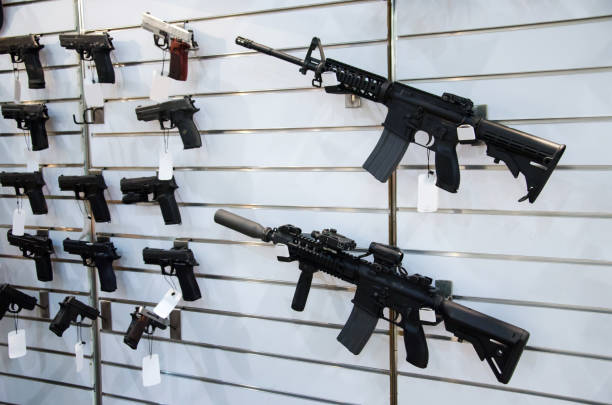
The process of buying, selling, or transferring firearms can seem daunting to many. Understanding the legalities and regulations involved is crucial for compliance and safety. One essential component of this process is the Federal Firearms License (FFL), which plays a pivotal role in the legal transfer of firearms in the United States. This article aims to demystify firearms transfer through FFL certification, providing a clear understanding of its significance, eligibility, and procedures.
The Importance of FFL Certification
FFL certification is a legal requirement for businesses and individuals intending to deal in firearms or ammunition. The license is issued by the Bureau of Alcohol, Tobacco, Firearms, and Explosives (ATF) and is crucial for maintaining the integrity and legality of firearms transactions. Here are some reasons why FFL certification is important:
- Ensures Compliance: FFL certification ensures that all federal and state regulations are met, reducing the risk of illegal firearm distribution.
- Facilitates Legal Transfers: It enables the lawful transfer of firearms between states, crucial for dealers and collectors.
- Promotes Safety: By regulating who can sell, buy, or trade firearms, FFL helps to prevent firearms from falling into the wrong hands.
Understanding FFL Transfer Eligibility
To engage in an ffl transfer eligibility process, certain criteria must be met. These requirements ensure that the person or entity involved is legally permitted to handle firearms. Key eligibility criteria include:
- Background Check: Individuals must pass a comprehensive background check to ensure there are no legal disqualifications, such as felony convictions.
- Age Requirement: Applicants must be at least 21 years old to obtain an FFL.
- Business Premises: A physical location is required where business operations will be conducted, subject to ATF inspections.
- Compliance with Local Laws: Applicants must adhere to state and local regulations concerning firearms.
Procedures for FFL Firearm Transfer
Once eligibility is confirmed, understanding the ffl transfer procedures is essential for seamless transactions. Here”?s a step-by-step guide:
Application Process
The first step involves completing and submitting ATF Form 7, which is the application for an FFL. This form collects information on the applicant’s identity, business details, and intended firearms operations. Applicants should be prepared for a thorough review process, including interviews and inspections by ATF agents.
Background Check and Interview
A comprehensive background check is conducted on the applicant and any other responsible persons involved. This step is crucial in ensuring that only eligible individuals receive an FFL. An interview with an ATF investigator is also part of the process, where applicants discuss their business plans and demonstrate understanding of firearms laws and regulations.
ATF Inspection
Before issuing an FFL, the ATF conducts an onsite inspection of the business premises. This inspection ensures that the location complies with federal and state laws and that proper security measures are in place to safeguard firearms.
Executing Firearms Transfer with FFL
Once an FFL is obtained, the licensed dealer can facilitate firearms transfers. Here”?s how a firearms transfer ffl is typically executed:
- Receive the Firearm: The dealer receives the firearm from the seller, ensuring all documentation is in order.
- Initiate Background Check: The dealer conducts a background check on the buyer using the National Instant Criminal Background Check System (NICS).
- Complete Transfer: Once the buyer passes the background check, the dealer transfers the firearm to the buyer, completing the transaction with all necessary records and documentation.
Understanding the FFL process is crucial for anyone involved in firearms transactions. By adhering to the regulations and following the correct procedures, dealers and buyers can ensure a smooth, legal, and safe transfer of firearms.