
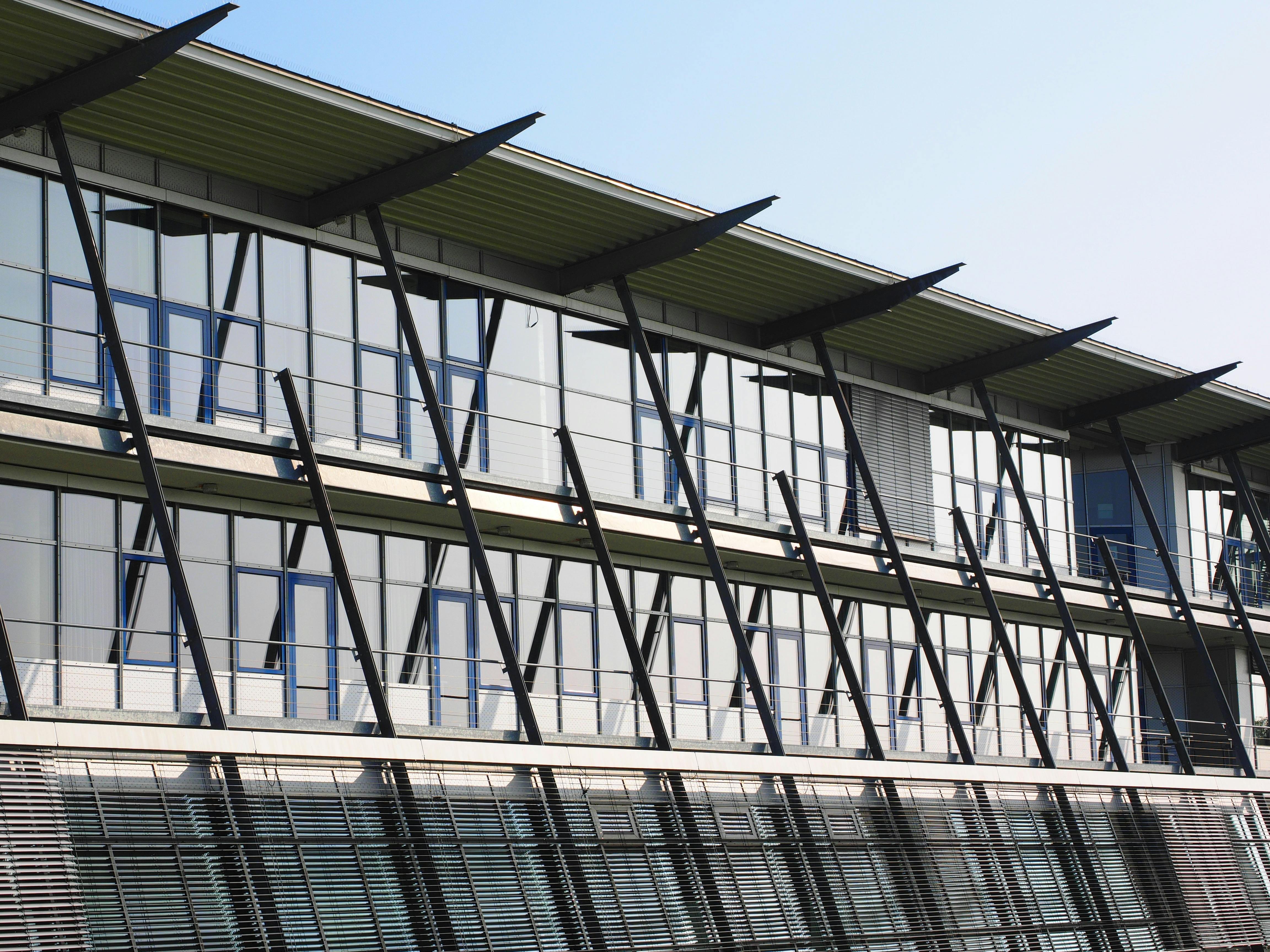
As the demand for sustainable construction continues to grow, there is an increasing focus on creating energy-efficient buildings that minimize environmental impact while maximizing economic and social benefits. Sustainable buildings are designed to use resources more efficiently and to create healthier living and working environments. Embracing sustainable building practices is essential for addressing the challenges of climate change and resource depletion. This article explores key strategies for developing energy-efficient buildings, highlighting the significant role of design, materials, and technology in achieving sustainability goals.
Key Design Principles for Energy Efficiency
To create a truly sustainable building, design considerations play a crucial role in maximizing energy efficiency. Essential design principles include:
- Passive Design Strategies: Utilizing natural resources such as sunlight and wind to reduce reliance on mechanical heating and cooling systems.
- Orientation and Layout: Positioning the building to maximize natural light and ventilation, reducing the need for artificial lighting and air conditioning.
- Building Envelope: Designing a well-insulated and airtight building envelope to minimize energy loss.
Implementing these design strategies can significantly reduce the energy consumption of a building. Discover expert strategies here.
Innovative Materials for Sustainable Construction
The choice of building materials is critical to the sustainability of a construction project. Selecting materials that are environmentally friendly and durable can lead to significant energy savings and reduced carbon footprint. Consider the following:
- Recycled and Recyclable Materials: Using materials that can be recycled or have been recycled reduces waste and resource consumption.
- Locally Sourced Materials: Reducing transportation energy and supporting local economies by using materials sourced from nearby regions.
- High-Performance Insulation: Improving thermal efficiency with advanced insulation materials to maintain comfortable indoor temperatures with less energy use.
For further insights on selecting sustainable materials, learn about our tailored solutions.
Leveraging Technology for Energy Efficiency
Smart Building Systems
Integrating smart technology into building systems offers significant opportunities for enhancing energy efficiency. Key components include:
- Energy Management Systems: Monitoring and optimizing energy use in real-time to identify opportunities for savings.
- Automated Lighting and HVAC Controls: Using sensors and timers to adjust lighting and climate control systems based on occupancy and time of day.
- Renewable Energy Integration: Incorporating solar panels or wind turbines to generate clean energy on-site.
Smart building systems not only improve energy performance but also enhance the comfort and convenience of occupants. Explore advanced guides and tips.
Building Performance Analytics
Utilizing data analytics tools can provide valuable insights into a building’s energy performance, enabling continuous improvement and optimization. Key approaches include:
- Data Collection and Analysis: Gathering and analyzing data on energy use to identify patterns and opportunities for efficiency improvements.
- Predictive Maintenance: Anticipating equipment failures and scheduling maintenance proactively to minimize energy waste.
Data-driven strategies are essential for maintaining high performance in sustainable buildings. Find out more about this approach.
Conclusion
Creating energy-efficient sustainable buildings is a multifaceted process that involves thoughtful design, innovative materials, and cutting-edge technology. By adopting these practices, the construction industry can make significant strides towards reducing environmental impact and promoting a more sustainable future. Emphasizing these strategies not only aligns with global sustainability goals but also delivers economic benefits and enhances the quality of life for building occupants. For more comprehensive information and guidance on sustainable building practices, explore advanced guides and tips.