
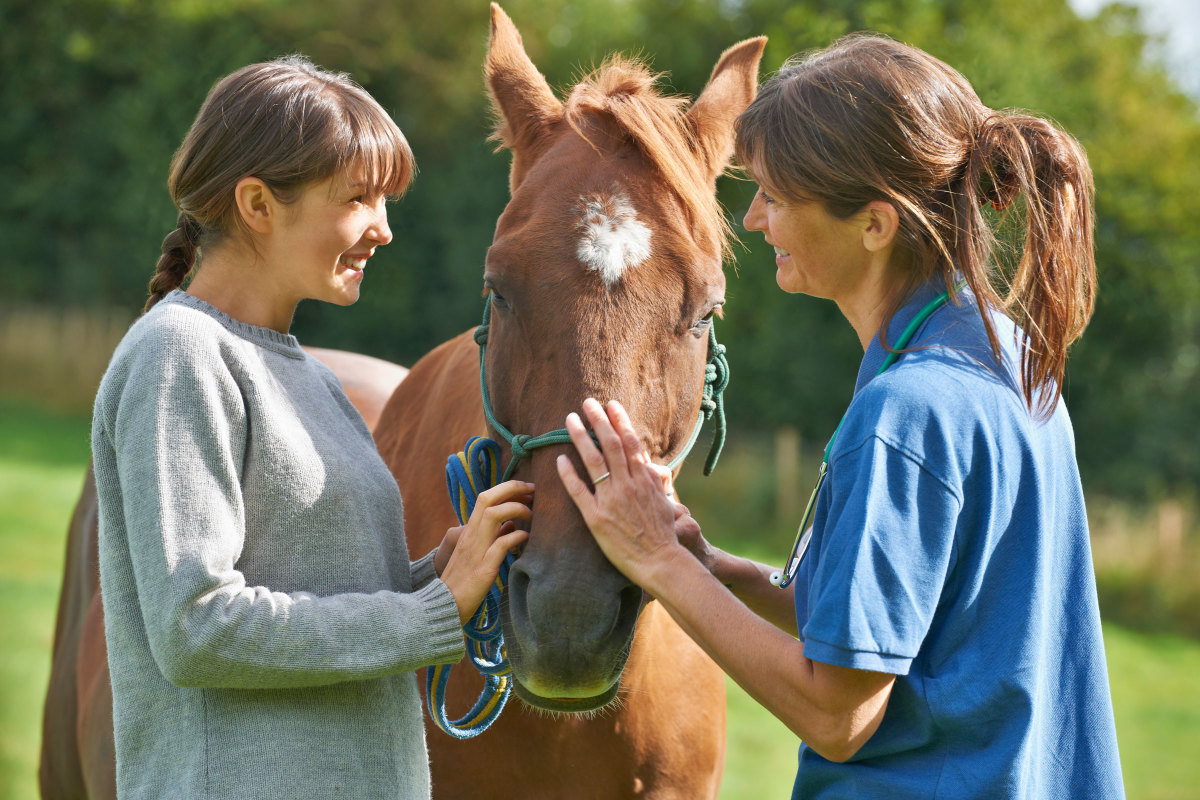
The trend of keeping horses in one’s backyard has gained significant popularity among equine enthusiasts. It provides an opportunity to bond with these magnificent creatures in a more intimate setting, offering both relaxation and companionship. However, creating a safe and enjoyable environment for backyard horses requires careful planning and understanding of the horse?s needs. This guide delves into essential aspects to consider when transforming a backyard into a haven for horses.
Understanding the Basics of Space and Shelter
Horses require adequate space to roam and graze, which is crucial for their physical and mental well-being. Here are a few points to consider when planning the space:
- Ensure a minimum of one acre per horse to provide ample grazing and exercise space.
- Implement rotational grazing to maintain healthy pasture and prevent overgrazing.
- Construct a sturdy, weather-resistant shelter to protect horses from extreme weather conditions.
Fencing: A Crucial Component
Proper fencing is vital to ensure the safety and containment of horses. When selecting fencing materials, consider the following:
- Choose materials that are visible and sturdy, such as wood or high-tensile electric fencing.
- Avoid barbed wire, which can cause injury to horses.
- Regularly inspect the fence for damage and repair promptly to prevent accidents.
Gates and Access Points
Gates should be secure and easy to operate. They should be wide enough to allow for easy movement of horses and machinery. Implementing a double-gate system can further enhance security and prevent escapes.
Nutrition and Water Management
Proper nutrition is essential for maintaining the health and vitality of backyard horses. Consider the following dietary needs:
- Provide a balanced diet of hay, grains, and fresh pasture.
- Ensure access to clean, fresh water at all times, using heated water troughs in colder climates to prevent freezing.
- Consult with a veterinarian to tailor a feeding plan that meets the specific needs of each horse.
Health Care and Routine Maintenance
Routine health care is a cornerstone of responsible horse ownership. Key aspects include:
- Regular veterinary check-ups and vaccinations to prevent diseases.
- Consistent farrier visits for hoof care, typically every 6-8 weeks.
- Parasite control through regular deworming, as advised by a veterinarian.
Exercise and Enrichment
Horses thrive on physical activity and mental stimulation. Incorporate the following into their routine:
- Daily exercise, whether through riding, lunging, or free movement in a paddock.
- Introduce toys and obstacles to encourage mental engagement.
- Provide companionship, either through other horses or suitable animals, to prevent loneliness.
Conclusion
Creating a safe and enjoyable environment for backyard horses involves a holistic approach that caters to their physical, mental, and social needs. By understanding and implementing the elements discussed above, horse owners can ensure their equine companions lead healthy and fulfilling lives right in their own backyards. For more detailed guidance on keeping backyard horses, consider exploring reliable resources and communities dedicated to equine care.