
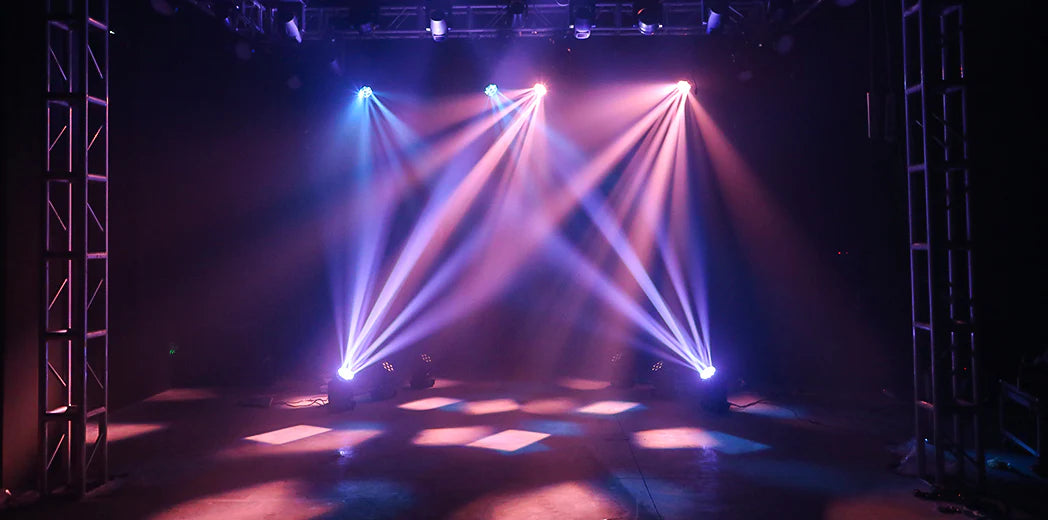
Creating a compelling experience within a church setting involves more than just delivering a powerful message. The ambiance, mood, and overall experience are significantly impacted by the quality and creativity of the stage lighting. In many modern churches, church stage lighting has become a vital element in enhancing worship experiences and engaging the congregation. The right lighting design can evoke emotions, highlight key moments, and transform the environment into an inspiring space.
Understanding the Importance of Church Stage Lighting
Lighting in a church setting is not just about illumination. It serves multiple purposes that enhance the overall atmosphere and experience:
- Focus: Directs the congregation’s attention to specific areas or elements on stage.
- Ambiance: Sets the mood and tone for different parts of the service.
- Visual impact: Creates a visually appealing environment that complements the message or theme.
- Versatility: Allows for quick adjustments to accommodate different events and activities.
Effective church lighting integrates these elements to connect the audience more deeply with the service.
Key Components of Church Stage Lighting
Lighting Fixtures
The choice of lighting fixtures is crucial for achieving desired effects. Common types include:
- Spotlights: Ideal for highlighting speakers or important elements on stage.
- Fresnels: Provide soft-edged light, perfect for general wash lighting.
- LED Stage Lighting: Offers energy efficiency and vibrant color options, becoming increasingly popular in modern settings.
Utilizing a mix of these fixtures can enhance the overall stage lighting design and cater to various service needs.
Lighting Control Systems
Advanced lighting control systems allow for precise control over the intensity, color, and movement of lights. These systems typically include:
- DMX Controllers: Facilitate detailed programming and control over multiple lighting fixtures.
- Software Interfaces: Offer intuitive platforms for designing and executing lighting scenes.
These technologies enable seamless transitions and facilitate led stage lighting integration for dynamic worship experiences.
Designing an Effective Lighting Plan
Creating a lighting plan involves careful consideration of the space, the service schedule, and the desired emotional impact. Important steps include:
- Assessment: Evaluate the space to understand the lighting needs and constraints.
- Planning: Develop a comprehensive plan that outlines the layout and purpose of each stage light.
- Implementation: Carefully install and test lighting to ensure it meets the planned objectives.
Regular reviews and updates to the lighting plan ensure that it remains aligned with the evolving needs of the church.
Enhancing Worship with Dynamic Lighting
Dynamic lighting can transform a service by bringing energy and vibrancy to the stage. Considerations for integrating dynamic lighting include:
- Color Schemes: Use colors that resonate with the message or theme to evoke the desired emotions.
- Movement: Incorporate moving lights to create visual excitement and highlight transitions.
- Synchronization: Align lighting changes with music or other service elements for a cohesive experience.
By exploring these elements, stage lighting can play a pivotal role in enhancing the emotional and spiritual engagement of the congregation.
For further inspiration and ideas on creating impactful stage lighting designs, explore various resources that offer insights and examples from other successful implementations.