
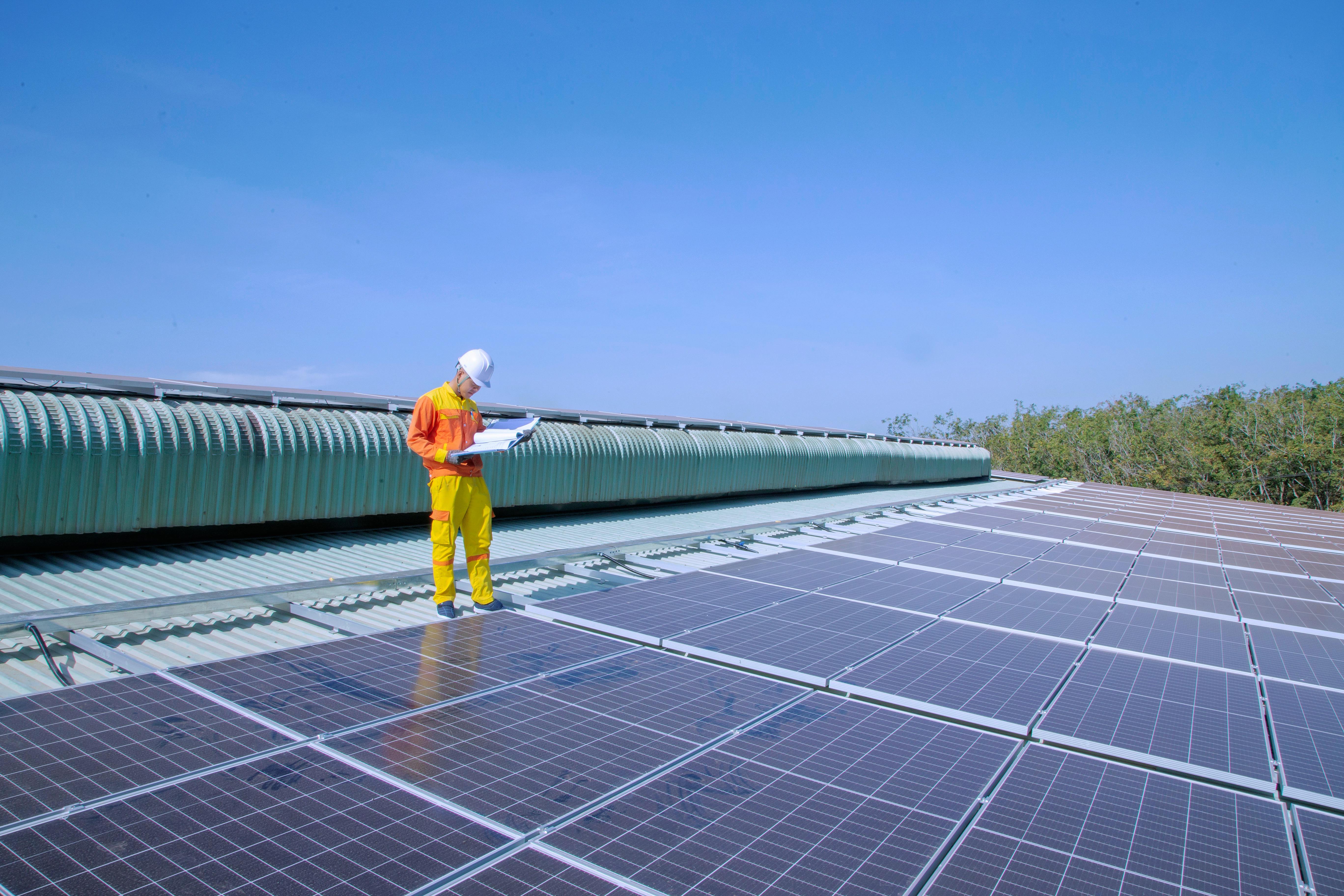
In recent years, the demand for sustainable and energy-efficient home solutions has grown exponentially. Among these innovations, residential solar ventilation systems have emerged as a cost-effective and environmentally friendly option. These systems harness solar energy to improve air circulation, reduce energy costs, and enhance indoor air quality. As homeowners increasingly recognize the benefits of solar ventilation, understanding the various aspects of these systems becomes crucial. This article delves into the advantages, types, and considerations of installing residential solar ventilation systems, providing a comprehensive overview for potential adopters.
Benefits of Solar Ventilation Systems
Solar ventilation systems offer a myriad of advantages that extend beyond simple energy savings. Here are some of the notable benefits:
- Energy Efficiency: By converting solar energy into electricity, these systems operate independently from the grid, reducing reliance on traditional power sources.
- Cost Savings: Over time, the reduction in energy bills can offset the initial investment in solar ventilation systems.
- Improved Air Quality: Enhanced ventilation reduces indoor pollutants and moisture, contributing to a healthier living environment.
- Environmental Impact: Utilizing renewable energy decreases carbon footprint and contributes to sustainable living.
For those interested in exploring the potential of solar ventilation, it is vital to read more about this topic to understand its full impact.
Types of Solar Ventilation Systems
Passive Solar Ventilation
Passive solar ventilation relies on natural air movement and solar heat gain to promote airflow without mechanical assistance. These systems are designed to maximize natural light and air circulation through strategic placement of vents and openings.
Active Solar Ventilation
Active systems utilize solar panels to power fans or blowers, effectively enhancing air movement within a home. These systems are particularly beneficial in areas with limited natural airflow or during extreme weather conditions.
When considering the best system for a specific home, homeowners should learn more in this detailed guide on the different types and their applications.
Installation Considerations
Before proceeding with the installation of a solar ventilation system, several factors need careful consideration:
- Roof Orientation and Pitch: The effectiveness of solar panels is significantly influenced by the roof’s orientation and angle. South-facing roofs with a moderate pitch typically offer optimal conditions.
- Climate: Geographic location and climate play a critical role in determining the feasibility and efficiency of solar systems. Areas with abundant sunlight will benefit the most.
- Cost and Budget: Initial setup costs can vary depending on the system’s complexity and size. Long-term savings, however, often justify the upfront investment.
- Professional Installation: Hiring a professional for installation is advisable to ensure optimal placement and performance of the system.
For a comprehensive understanding of these considerations, explore further insights here.
Conclusion
Residential solar ventilation systems represent a smart investment for homeowners seeking to reduce energy costs and improve indoor air quality sustainably. While initial considerations such as roof orientation, climate, and budget are crucial, the long-term benefits of reduced utility bills and increased home comfort are compelling. As interest in solar solutions continues to rise, it is essential for homeowners to find additional information here to make informed decisions about integrating solar ventilation into their homes.