
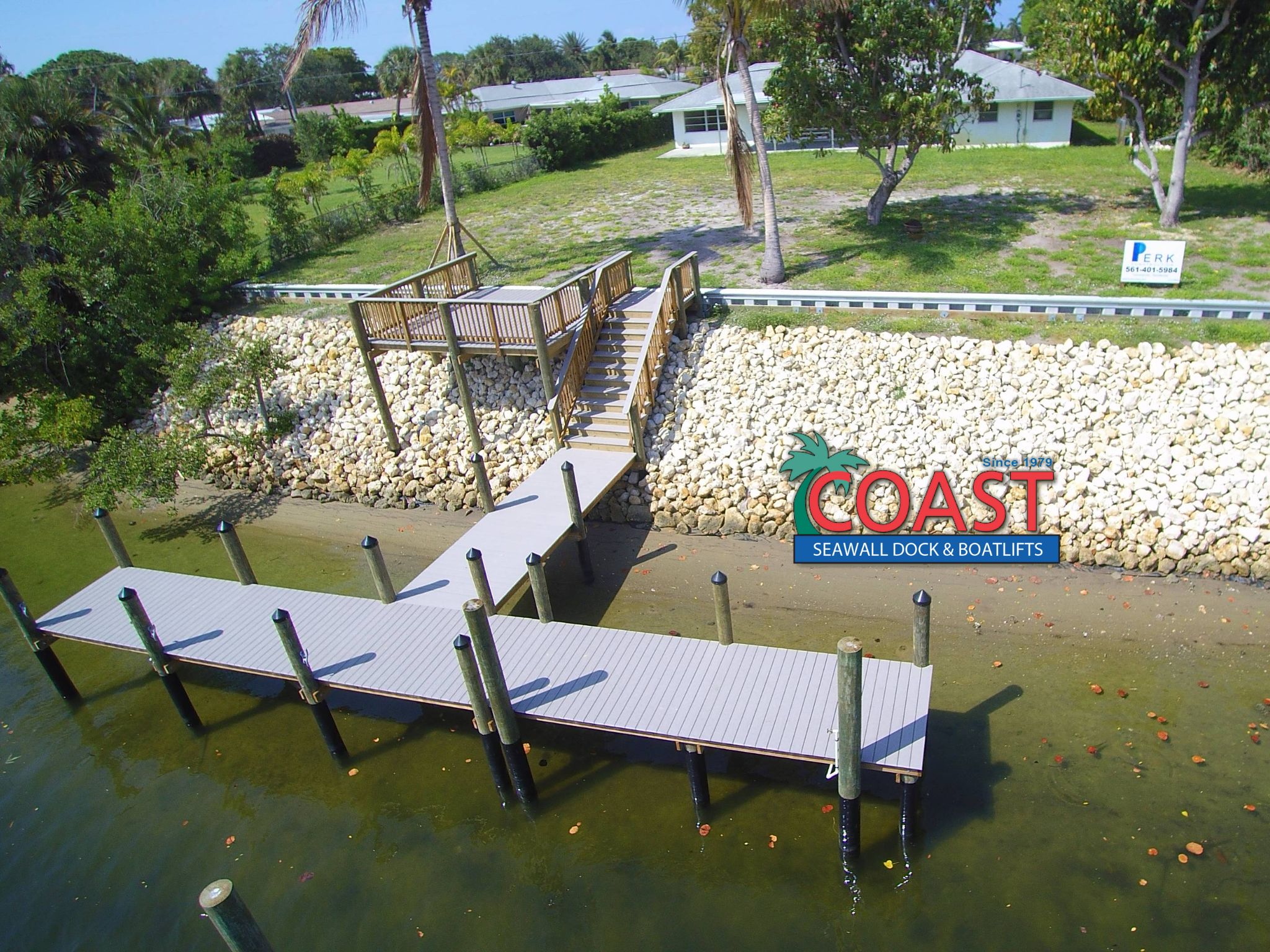
Building a robust revetment wall is crucial for protecting coastal and riverbank areas from erosion and the relentless forces of nature. These structures, often made from stone or concrete, provide stability and protection for the land behind them. Understanding the key design principles and considerations can ensure a durable and effective revetment wall, safeguarding property and landscapes for years to come. This article delves into essential design tips for constructing a strong revetment wall, offering insights into materials, design techniques, and maintenance strategies.
Understanding the Basics of Revetment Walls
Revetment walls are sloping structures placed on banks or cliffs to absorb and dissipate the energy of incoming water. The design of these walls is critical and depends on various factors, including local environmental conditions, the type of materials available, and the intended purpose of the wall.
Key Design Considerations
- Site Assessment: Conduct a thorough evaluation of the site to understand the specific challenges and requirements. Factors such as soil type, wave energy, and tidal patterns should be meticulously analyzed. Discover expert strategies here.
- Material Selection: Choose materials that are durable and suitable for the specific environmental conditions. Common materials include rock, concrete, and geotextiles, each offering distinct benefits.
- Hydrodynamic Considerations: Design the slope and orientation of the wall to effectively reduce wave energy and prevent erosion. The angle and height of the wall must be calculated based on wave action and water levels.
Material Selection for Revetment Walls
Selecting the right materials is a cornerstone of effective revetment wall design. The choice of materials impacts not only the longevity and maintenance of the wall but also its environmental footprint and visual aesthetics.
Popular Material Options
- Rock: Naturally durable and aesthetically pleasing, rock is a preferred choice for many revetment walls. It is effective at dissipating wave energy and can blend seamlessly with natural environments. Learn about our tailored solutions.
- Concrete Blocks: These offer a more uniform and controlled approach to revetment wall construction. Concrete blocks can be engineered to specific strengths and densities, providing a customizable solution.
- Geotextiles: Often used in conjunction with other materials, geotextiles provide additional erosion control, enhancing the stability and durability of the revetment wall.
Design Techniques for Enhanced Stability
Incorporating advanced design techniques can significantly enhance the performance and stability of revetment walls. A combination of engineering expertise and innovative approaches ensures these structures withstand the test of time.
- Layered Construction: Implementing multiple layers of materials can distribute pressures and forces more evenly, minimizing the risk of structural failure.
- Vegetation Integration: The strategic use of vegetation can enhance erosion control and add aesthetic value. Plant roots help bind the soil and reduce the impact of wave action.
- Regular Maintenance: Routine inspections and maintenance are essential to identify and rectify potential issues before they become significant problems. Explore advanced guides and tips.
Conclusion
Building a strong revetment wall requires a careful balance of design, material selection, and maintenance strategies. By understanding the environmental conditions and employing the right techniques, these structures can provide lasting protection against erosion and other natural forces. For tailored advice and strategies, find out more about this approach and ensure your revetment wall meets the highest standards of durability and effectiveness.