
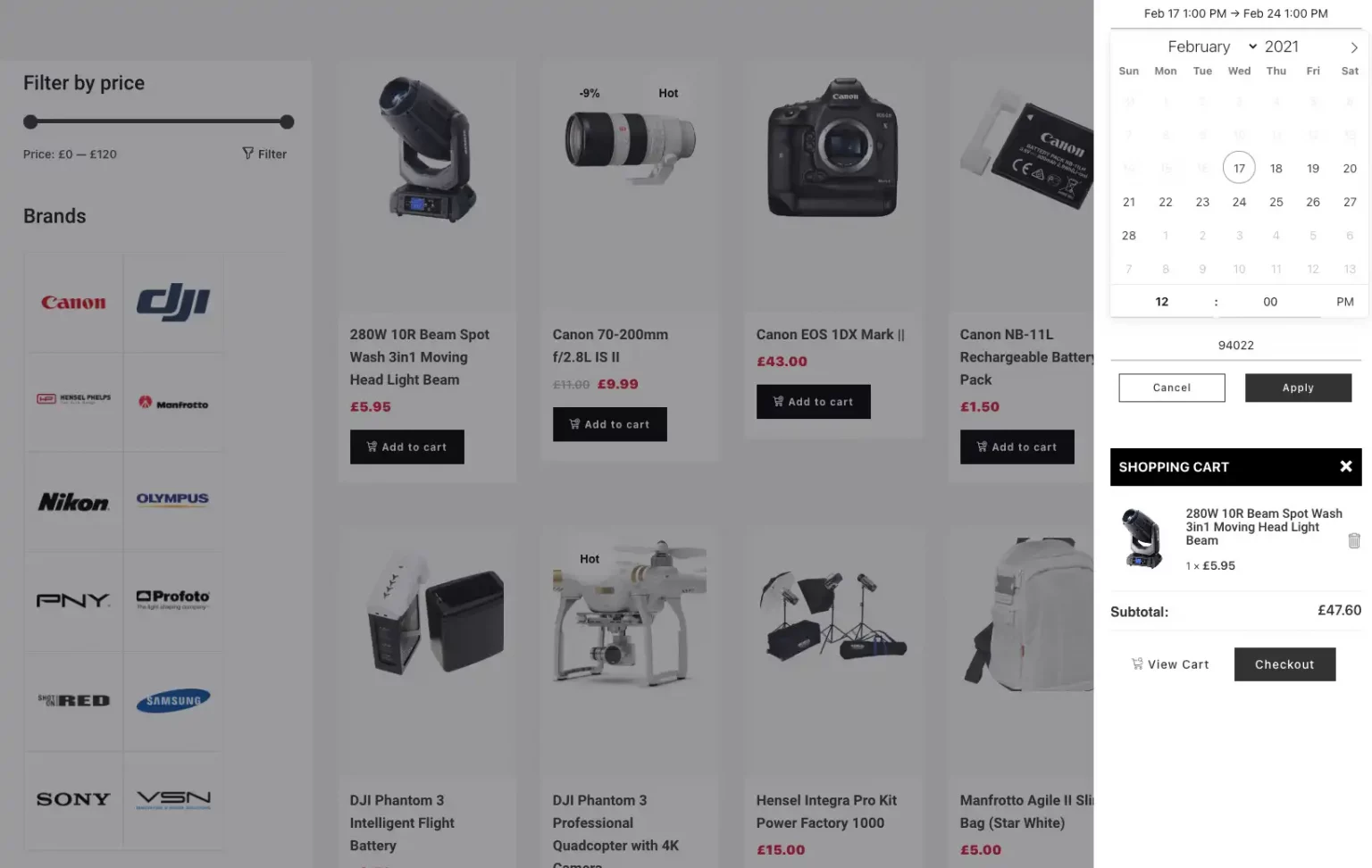
Effective inventory control for audio-visual (AV) equipment is crucial for maximizing efficiency and ensuring seamless operations. In an industry where the demand for AV gear is constantly evolving, maintaining a robust inventory system is paramount. This article explores best practices for managing AV equipment inventory efficiently, ensuring both availability and optimal utilization of resources. For more insights, discover expert strategies here.
Implementing an Inventory Management System
An organized inventory management system is the backbone of successful AV equipment control. Here are key considerations:
- Utilize specialized AV rental software to track equipment availability and condition. Explore advanced guides and tips on how such software can enhance inventory management.
- Ensure real-time updates to avoid double bookings or equipment shortages.
- Maintain a comprehensive database that includes equipment specifications, purchase dates, and maintenance records.
Regular Audits and Maintenance
Conducting regular audits is essential for maintaining accurate inventory records. It helps identify discrepancies and ensures equipment is in good working condition.
Steps for Effective Audits
- Schedule periodic inventory checks to verify the physical count against records.
- Implement a systematic approach to tagging and tracking each piece of equipment.
- Document any inconsistencies and take corrective measures promptly.
Regular maintenance checks also play a crucial role in extending the lifespan of AV equipment. Learn about our tailored solutions for integrating maintenance schedules with inventory systems.
Establishing Strong Supplier Relationships
Building strong relationships with suppliers ensures timely procurement of AV equipment and parts. Key practices include:
- Regularly communicate with suppliers to stay informed on new technologies and offerings.
- Negotiate favorable terms for bulk purchases or frequent orders.
- Establish a reliable supply chain to mitigate risks of equipment shortages.
By fostering these relationships, organizations can ensure a steady flow of high-quality AV equipment. For more details on this approach, find out more about this approach.
Data-Driven Decision Making
Leveraging data analytics is pivotal in making informed decisions regarding inventory management. Consider the following strategies:
- Analyze usage patterns to predict future demand and adjust inventory levels accordingly.
- Utilize data to identify underutilized equipment and make decisions about purchasing or retiring assets.
- Implement reporting tools to gain insights into inventory performance and identify areas for improvement.
Data-driven strategies empower organizations to optimize their inventory control processes. Explore advanced guides and tips on how to harness data for inventory management success.
Conclusion
In conclusion, effective AV equipment inventory control requires a strategic approach that integrates technology, regular audits, strong supplier relationships, and data-driven decision-making. By adopting these best practices, organizations can enhance their operational efficiency, reduce costs, and ensure the availability of AV equipment to meet client needs. For comprehensive solutions and expert advice, discover expert strategies here.