
In recent years, axe throwing has evolved from a rustic lumberjack pastime to a global recreational phenomenon. From casual enthusiasts to competitive leagues, people of all ages are discovering the thrill of hurling axes at wooden targets in a safe, controlled environment. But what makes axe throwing so captivating? How do you get started, and why is it becoming one of the fastest-growing activities for entertainment and team building?
This article explores everything you need to know about axe throwing, including its history, rules, benefits, safety tips, and ways to turn it into a competitive sport or social outing.
What Is Axe Throwing?
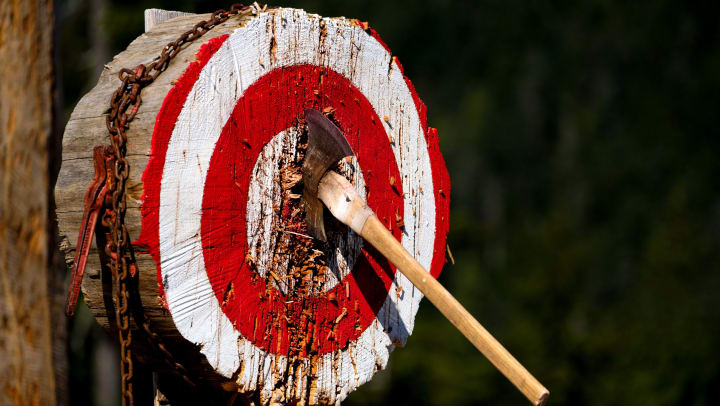
Axe throwing is the sport or recreational activity of throwing a small axe at a target, typically a wooden board marked with a bullseye. The goal is to stick the axe in the center of the target, scoring points based on accuracy.
Modern axe throwing facilities often mimic the traditional logging competitions of North America and Scandinavia. Participants throw hatchets or tomahawks in enclosed lanes under the supervision of trained instructors. The controlled environment ensures safety while allowing everyone—from beginners to experienced throwers—to enjoy the sport. Discover the Joy of Hitting the Target.
Axe throwing isn’t just about physical strength; it’s also about focus, precision, and mental discipline. Each throw requires careful attention to stance, grip, and aim, making it both a physical and mental challenge.
How to Axe Throw
Whether you’re stepping into a venue for the first time or competing in a league, learning the basics of axe throwing is essential. Here’s a step-by-step guide:
-
Choose the Right Axe
Venues usually provide axes for beginners, but different weights and handles affect how the axe flies. Lighter axes are easier for beginners, while heavier axes can stick better in the target for experienced throwers. -
Proper Grip
Hold the axe firmly but not too tightly. A relaxed grip allows the axe to spin naturally and stick into the target more accurately. -
Stance and Footwork
Stand with feet shoulder-width apart, facing the target. Your dominant foot should be slightly behind the other to maintain balance. -
Aiming and Throwing
Raise the axe above your head, align it with the target, and step forward slightly as you release. The axe should rotate once before hitting the target. The key is timing and consistency rather than raw power. -
Scoring
Standard targets have rings similar to archery, with points increasing toward the bullseye. Many venues also feature special scoring zones, like “clutch” shots for bonus points.
Safety in Axe Throwing
Axe throwing may look dangerous, but when done correctly, it is extremely safe. Most facilities enforce strict safety protocols:
-
Participants are instructed to stand behind throwing lines until it’s their turn.
-
Instructors demonstrate proper techniques before any throwing begins.
-
Protective gear may include closed-toe shoes and safety barriers.
-
Targets are set against reinforced wooden backboards to prevent stray axes.
Following these rules ensures that axe throwing remains a fun and controlled activity rather than a risk.
Why Axe Throwing Is So Popular
Axe throwing has gained popularity worldwide for several reasons:
1. Fun and Novelty
Few activities let you experience the thrill of throwing sharp objects safely. The combination of skill, power, and competition makes axe throwing exciting and addictive.
2. Stress Relief
Swinging an axe can be surprisingly therapeutic. It’s a physical outlet for frustration and energy, providing a cathartic experience similar to a rage room or boxing session.
3. Social Experience
Axe throwing venues often cater to groups, making it perfect for friends, families, birthdays, and corporate events. It encourages friendly competition and team bonding.
4. Accessible to All Skill Levels
Even beginners can enjoy axe throwing. Modern facilities provide guidance, ensuring everyone can participate safely and feel successful.
5. Competitive Sport
With leagues and tournaments, axe throwing appeals to athletes and enthusiasts looking to improve their skills and compete on a larger stage.
Benefits of Axe Throwing
Beyond fun, axe throwing offers several mental and physical benefits:
-
Improves Focus and Concentration: Hitting the target requires attention and precision.
-
Builds Coordination and Strength: Repeated throws improve hand-eye coordination and upper body strength.
-
Enhances Mental Toughness: Managing nerves and aiming accurately under pressure strengthens mental resilience.
-
Encourages Social Interaction: The sport promotes bonding and communication among participants.
-
Provides Stress Relief: The physical act of throwing releases tension and energy, leaving you feeling refreshed.
Axe Throwing Competitions and Leagues
For those interested in taking axe throwing seriously, competitive leagues offer structure and excitement. Some key points:
-
World Axe Throwing League (WATL): Governs international competitions and standardizes rules.
-
National Axe Throwing Federation (NATF): Focuses on growth in the United States and sets safety and scoring standards.
-
Local Leagues: Many cities host local leagues where enthusiasts can compete weekly or monthly.
Competitions often include team events, bracket tournaments, and trick-shot challenges, making it an exciting spectator sport as well.
Axe Throwing as a Social Activity
Axe throwing is more than a sport—it’s a social phenomenon. Many venues offer group packages, parties, and corporate team-building events. Participants enjoy:
-
Friendly competitions among friends or coworkers.
-
Relaxing post-throw drinks in bar-style axe throwing venues.
-
Custom scoring games for parties or events.
It’s an ideal activity for breaking the ice, fostering teamwork, and creating memorable experiences.
Tips for First-Time Axe Throwers
-
Listen to Your Instructor: Safety and technique matter more than power.
-
Start Light: Begin with lighter axes until you’re comfortable with your throw.
-
Focus on Technique: Accuracy beats brute force.
-
Have Fun: Axe throwing is about enjoyment and stress relief, not just points.
-
Bring Friends: The activity is more enjoyable with group energy and friendly competition.
The Future of Axe Throwing
Axe throwing continues to grow globally, with new venues opening in urban and suburban areas alike. Innovations include:
-
League Expansion: More cities now host amateur and professional competitions.
-
Themed Venues: From rustic lumberjack settings to urban axe bars, the experience is evolving.
-
Virtual and Digital Training: Apps and simulators help beginners practice safely at home.
With its combination of thrill, skill, and social interaction, axe throwing is likely to remain a popular recreational sport for years to come.
Conclusion
Axe throwing is more than a novelty—it’s a dynamic sport, a social activity, and a form of stress relief. Whether you’re looking to try a new hobby, host a memorable event, or even compete professionally, axe throwing offers something for everyone.
With its mix of focus, skill, and adrenaline, this modern take on a traditional pastime provides a unique and engaging experience. So, grab an axe, find a local venue, and see if you have what it takes to hit the bullseye.