
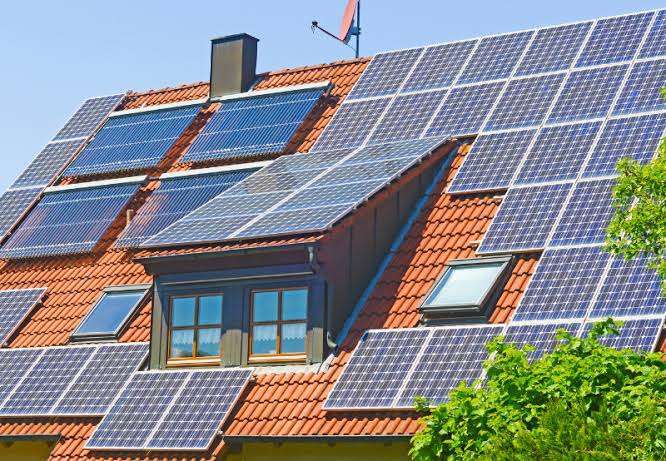
Transitioning to solar energy is a significant step towards sustainability and energy efficiency. It’s a decision that offers long-term savings and environmental benefits. However, selecting the right solar panel system can be daunting for beginners due to the technical jargon and myriad of options available. This guide aims to simplify the process by breaking down the essentials of choosing a home solar panel system, ensuring you make an informed decision that aligns with your energy needs and budget.
Understanding Your Energy Needs
Before investing in a solar panel system, it?s crucial to understand your household?s energy consumption. This involves:
- Reviewing past electricity bills to determine average monthly usage.
- Identifying peak usage times and any seasonal fluctuations.
- Considering future changes, such as family growth or the addition of electric vehicles.
By understanding your energy needs, you can better assess the size and capacity of the solar panel system required to meet your household?s demands.
Types of Solar Panel Systems
Grid-Tied Systems
This is the most common type of solar system for residential use. A grid-tied system works in conjunction with the local electricity grid, providing flexibility and reliability. Benefits include:
- Lower initial costs compared to off-grid systems.
- Ability to sell excess energy back to the grid through net metering.
- No need for battery storage, reducing maintenance complexity.
Off-Grid Systems
Off-grid systems are designed to operate independently of the local utility grid. These systems are ideal for remote locations. Key considerations include:
- Requirement of battery storage to provide power during non-sunny periods.
- Higher initial investment due to the need for batteries and backup systems.
- Complete energy independence, offering resilience during power outages.
Hybrid Systems
A hybrid solar panel system combines the features of both grid-tied and off-grid systems. It includes battery storage and the ability to draw power from the grid. Advantages are:
- Energy security with backup power during outages.
- Potential for energy savings by storing excess power for later use.
- Flexibility to switch between solar and grid power as needed.
Evaluating Solar Panel Quality and Efficiency
Not all solar panels are created equal. When evaluating panels, consider:
- Efficiency: Higher efficiency panels convert more sunlight into electricity, requiring less space.
- Durability: Look for panels with a strong warranty and proven resistance to harsh weather conditions.
- Cost: Balance the upfront cost with the long-term savings potential.
It is essential to choose panels from reputable manufacturers known for their quality and reliability.
Installation and Maintenance Considerations
Professional installation is key to ensuring the optimal performance of a solar panel system. Key factors to consider include:
- Choosing experienced and certified installers.
- Understanding the installation timeline and potential disruptions.
- Clarifying maintenance requirements to ensure system longevity.
Regular maintenance, such as cleaning the panels and checking the inverter, can significantly impact the efficiency and lifespan of the system.
Conclusion
Selecting a home solar panel system involves careful consideration of your energy needs, system types, panel quality, and installation logistics. By investing the time to research and understand these elements, you ensure a seamless transition to solar energy, paving the way for a more sustainable and cost-effective future.