
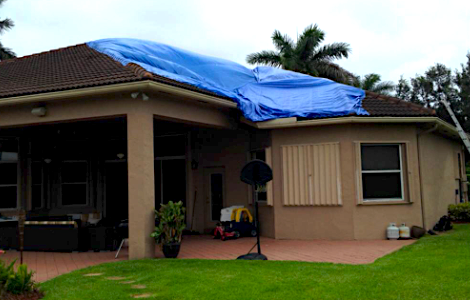
Repairing a roof is a critical task that requires careful planning and the right materials. One of the most important components of a successful roof repair is choosing the appropriate tarp. Tarps offer protection from the elements and can prevent further damage to the roof and the interior of the building. Selecting the right tarp involves understanding various factors such as material, size, and durability. This guide aims to provide valuable insights into choosing the best tarps for effective roof repair, ensuring both safety and efficiency.
Understanding Tarp Materials
The material of a tarp plays a crucial role in its performance during roof repair tasks. Different materials offer varying levels of durability, flexibility, and resistance to weather conditions. Here are some common materials used for roofing tarps:
- Polyethylene: Known for its waterproof properties, polyethylene tarps are suitable for areas with heavy rainfall. They are lightweight and easy to handle, making them a popular choice for temporary roof coverage.
- Vinyl: These tarps are heavier and more durable than polyethylene, offering excellent resistance to tears and UV radiation. They are ideal for long-term roof coverage.
- Canvas: While not as waterproof as polyethylene or vinyl, canvas tarps are breathable and reduce the risk of condensation. They are better suited for areas with moderate weather conditions.
To find out more about this approach, consider the specific requirements of the project and the local climate conditions.
Choosing the Right Size and Thickness
When selecting a tarp for roof repair, size and thickness are two crucial factors to consider. An adequately sized tarp ensures complete coverage, while the right thickness provides the necessary durability and protection.
Size Considerations
- Measure the area of the roof that needs coverage to determine the correct tarp size.
- Account for additional coverage to allow secure anchoring and overlap.
- Consider tarps with reinforced edges for enhanced strength and stability.
Learn about our tailored solutions to ensure your tarp fits perfectly with your roof repair needs.
Thickness and Durability
- Thicker tarps offer better protection against punctures and tears, making them suitable for long-term use.
- For temporary repairs, lightweight tarps may suffice, provided they are securely installed.
- Consider the tarp’s intended use and the climate when choosing thickness.
Explore advanced guides and tips to choose the appropriate thickness for your specific repair project.
Installation and Maintenance Tips
Proper installation and maintenance of tarps are essential to ensure their effectiveness and longevity. The following tips can help in securing tarps effectively during roof repairs:
- Use strong anchor points such as nails or bungee cords to secure the tarp edges.
- Ensure that the tarp is taut to prevent water pooling and wind damage.
- Regularly check the tarp for signs of wear and tear, especially after severe weather events.
- Consider using multiple tarps for larger areas to improve coverage and stability.
Discover expert strategies here to enhance the installation and maintenance process.
Safety Considerations
While tarps are effective in protecting roofs, safety should always be a priority during installation. Here are some safety tips to keep in mind:
- Use appropriate safety gear such as harnesses and non-slip footwear when working on roofs.
- Work with a partner to ensure stability and safety.
- Avoid installing tarps during severe weather conditions to reduce the risk of accidents.
Learn about our tailored solutions to ensure a safe and secure tarp installation process.
By understanding the different aspects of tarp selection and installation, homeowners and professionals can effectively use tarps to protect roofs and extend their lifespan. For more comprehensive information, explore advanced guides and tips that align with your roof repair needs.