
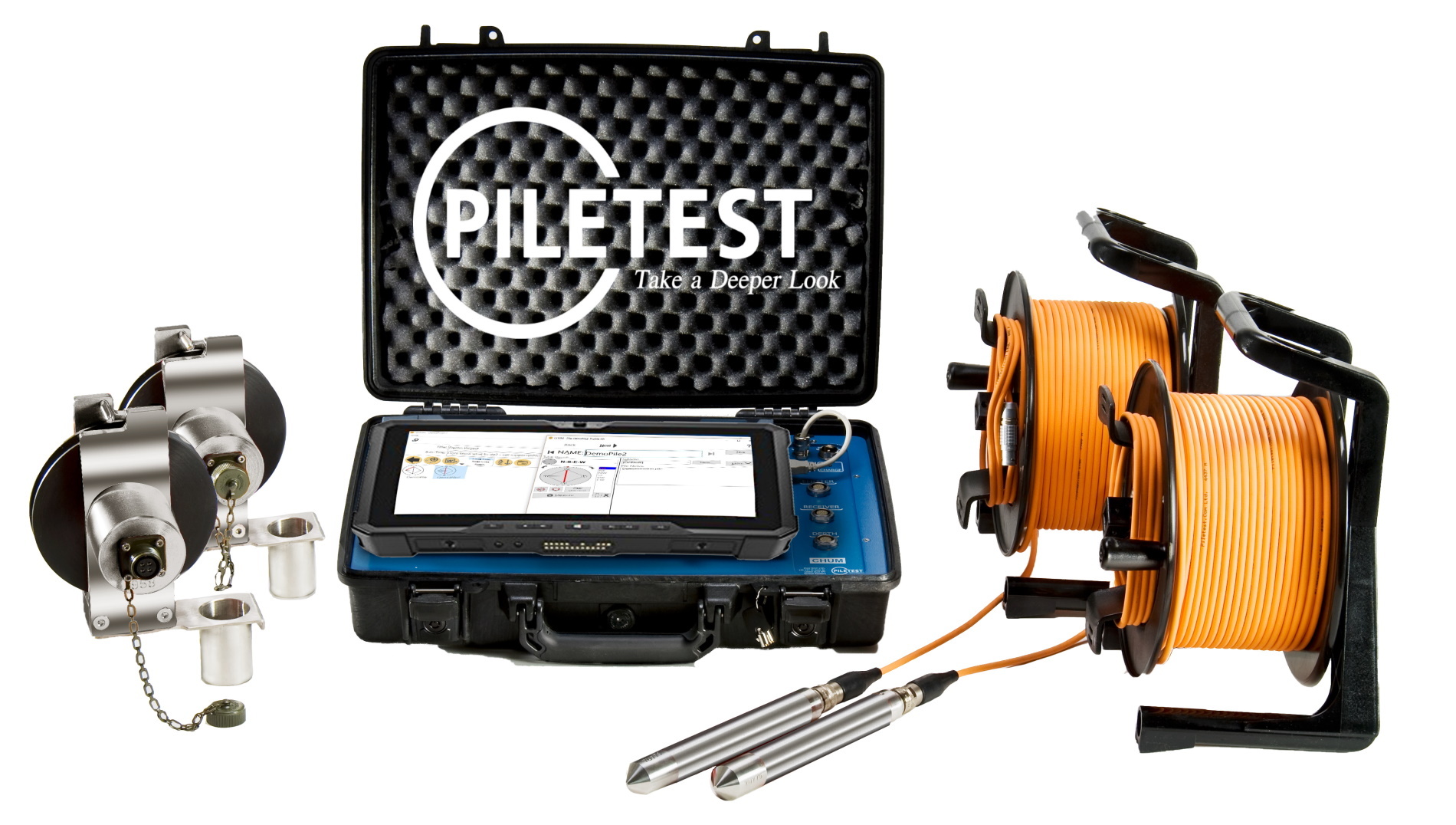
The field of geotechnical exploration is on the brink of a transformative era, with advancements in technology paving the way for more precise and comprehensive subsurface investigations. Among the cutting-edge techniques gaining traction is 3D crosshole imaging, which offers unprecedented insights into underground structures. This method is revolutionizing how geotechnical engineers assess subsurface conditions, leading to safer and more efficient construction practices.
Understanding 3D Crosshole Imaging
3D crosshole imaging involves the use of acoustic waves to create detailed images of the subsurface. This technique is particularly useful in identifying anomalies and variations in soil and rock properties that might affect construction projects. The process typically includes:
- Drilling multiple boreholes at strategic locations around the site.
- Inserting sensors and acoustic sources in these boreholes.
- Emitting sound waves and measuring their travel times and attenuation between the boreholes.
- Using computational algorithms to construct a 3D image of the subsurface.
By embracing these methods, geotechnical engineers can significantly reduce risks associated with construction projects. Discover expert strategies here to gain a deeper understanding of how these technologies are applied effectively in real-world scenarios.
Advantages of 3D Crosshole Imaging
The adoption of 3D crosshole imaging in geotechnical exploration offers numerous benefits, such as:
- Enhanced Accuracy: Provides a more detailed view of the subsurface, improving the reliability of the data collected.
- Non-Invasive: Minimizes the need for extensive drilling and physical disturbance of the site.
- Comprehensive Analysis: Facilitates a better understanding of complex subsurface conditions.
- Cost Effectiveness: Reduces the potential for costly construction delays and redesigns due to unforeseen subsurface issues.
These benefits underscore why 3D crosshole imaging is becoming a preferred choice for geotechnical experts. Learn about our tailored solutions that incorporate this advanced technology to improve project outcomes.
Applications in Modern Construction
Infrastructure Development
In infrastructure projects, such as highways, bridges, and tunnels, understanding the subsurface is crucial. 3D crosshole imaging can help identify potential problem areas, such as voids or weak zones, that can compromise the integrity of these structures. By leveraging this technology, engineers can develop more robust designs that take into account the unique challenges of each site. Explore advanced guides and tips on implementing these techniques in large-scale infrastructure projects.
Environmental and Geotechnical Studies
Environmental assessments and geotechnical studies benefit greatly from the precision and depth of analysis provided by 3D crosshole imaging. This method is instrumental in evaluating soil contamination, groundwater flow, and the stability of slopes and foundations. Accurate data collection is essential for ensuring compliance with environmental regulations and for making informed decisions about site development. Find out more about this approach to enhance environmental assessments with cutting-edge technology.
Challenges and Future Directions
Despite its advantages, the deployment of 3D crosshole imaging is not without challenges. These include the high initial cost of equipment and the need for specialized training to interpret complex data sets. However, as technology evolves and becomes more accessible, these barriers are likely to diminish. Future advancements may include:
- Improved data processing algorithms that enhance image resolution.
- Integration with other geophysical methods for comprehensive analysis.
- Increased automation to streamline data collection and interpretation.
By staying at the forefront of technological advancements, geotechnical professionals can continue to push the boundaries of what’s possible in subsurface exploration. Learn about our tailored solutions that are shaping the future of geotechnical exploration.