
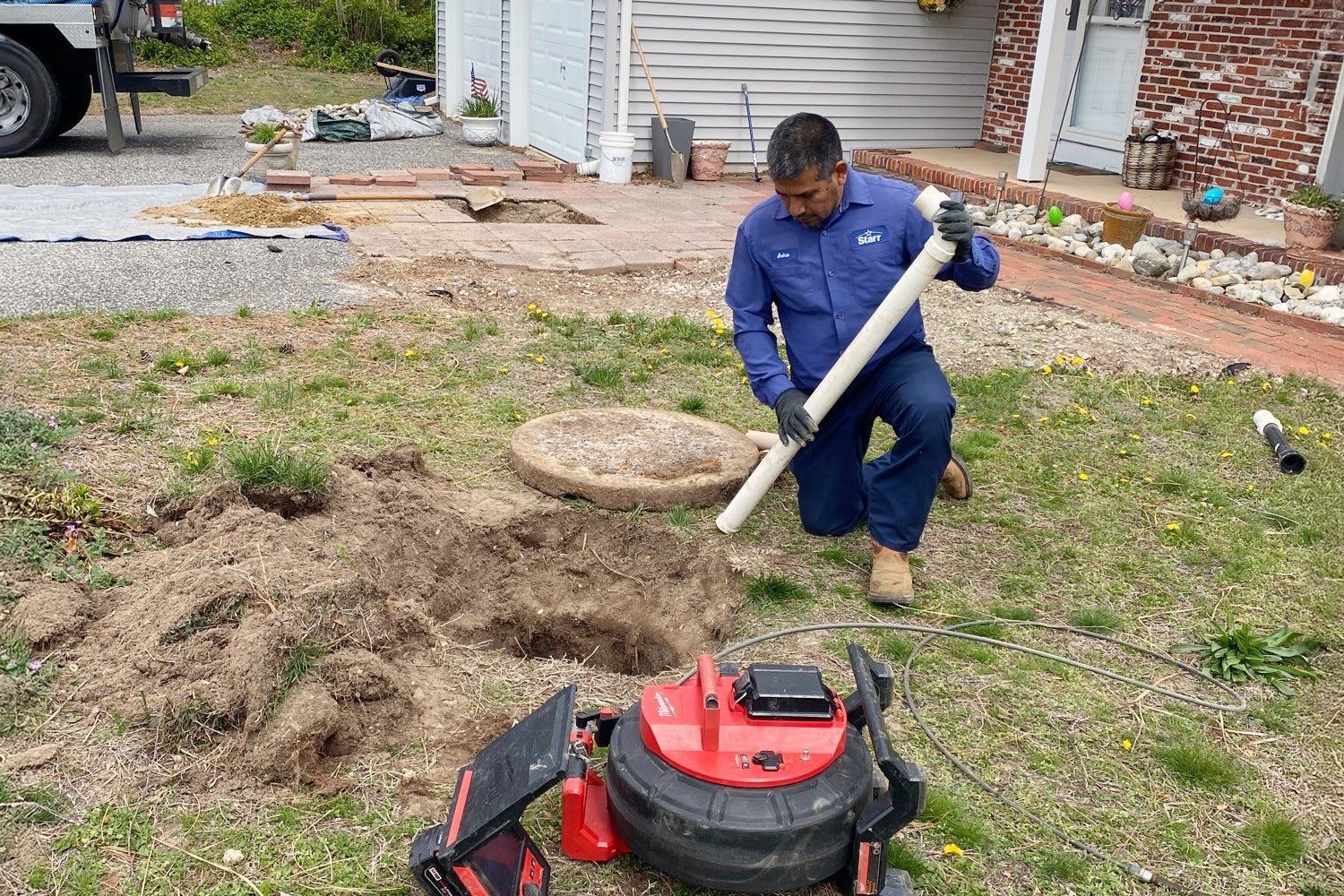
When purchasing a home with a septic system, it’s crucial to conduct a thorough septic home inspection to ensure the system is functioning correctly. Septic systems are essential for managing waste in homes not connected to municipal sewer lines. A malfunctioning system can lead to costly repairs and potential health hazards. Therefore, understanding what to look for during an inspection can save future homeowners significant stress and expense. Here are five key factors to consider during a septic home inspection.
1. Inspecting the Septic Tank
The septic tank is the core component of a septic system. An inspection should include:
- Tank Size and Capacity: Ensure the tank size is appropriate for the household size it serves.
- Structural Integrity: Look for cracks, leaks, or signs of corrosion.
- Sludge and Scum Levels: Excessive levels may indicate a need for pumping or potential system overload.
For those interested in learning more about what a comprehensive septic home inspection entails, further details can be explored via expert resources.
2. Checking the Drain Field
The drain field is where the liquid waste is absorbed into the ground. Key inspection points include:
- Drainage: Ensure there is no pooling of water, which can indicate a clogged or failing system.
- Vegetation: Excessive plant growth can suggest leakage or poor absorption.
- Odors: Unpleasant smells may signify system failure or inefficiency.
3. Evaluating System Age and Maintenance History
Knowing the age and maintenance history of the septic system can provide insight into its condition and remaining lifespan:
- System Age: Older systems may require more frequent repairs or replacement.
- Maintenance Records: Regular maintenance, including pumping and repairs, is essential for system longevity.
Prospective buyers can learn about past maintenance practices by requesting records from the current homeowner. Additionally, exploring customer reviews can provide insights into reliable service providers. See what others are saying about us.
4. Assessing Household Water Usage
A septic system’s efficiency is heavily influenced by household water usage:
- Water Efficiency: Consider installing water-saving fixtures to reduce the load on the system.
- Usage Patterns: Evaluate daily water use and adjust as necessary to prevent system overload.
Understanding household habits can help identify potential issues before they escalate, ensuring the system remains operational for years to come.
5. Professional Inspection and Expert Consultation
While homeowners can conduct preliminary checks, a professional inspection is highly recommended:
- Thorough Inspection: Professionals use specialized equipment to evaluate the system comprehensively.
- Expert Recommendations: Receive advice on necessary repairs or improvements to enhance system performance.
For those seeking professional guidance, a certified inspector can provide a detailed assessment and recommendations tailored to individual needs. Engaging with experts can prevent potential issues and ensure peace of mind when purchasing a home with a septic system.
In conclusion, a meticulous septic home inspection is vital for anyone considering a property with a septic system. By understanding and evaluating these key factors, potential homeowners can make informed decisions and secure a healthy, cost-effective home environment. To delve deeper into the intricacies of a septic home inspection, visit the relevant expert resources available online.