
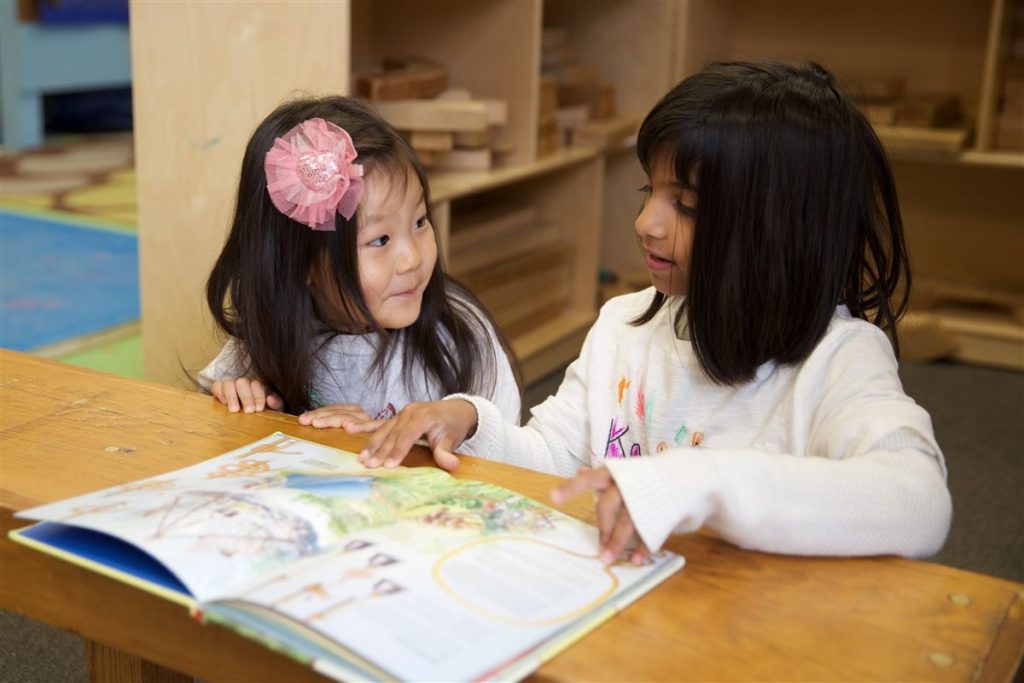
In the journey of education, middle school represents a pivotal stage where students undergo significant developmental changes. At this juncture, the integration of social-emotional support is crucial for fostering well-rounded growth. Social-emotional learning (SEL) equips students with the skills to manage emotions, establish positive relationships, and make responsible decisions. This article explores how social-emotional support in middle schools can be effectively implemented and the benefits it brings to students’ overall development.
The Importance of Social-Emotional Support
As students transition from childhood to adolescence, they face numerous challenges that can impact their academic and personal lives. Social-emotional support provides a foundation for:
- Enhancing self-awareness and self-regulation.
- Improving interpersonal skills and empathy.
- Promoting resilience and adaptability.
- Fostering a sense of belonging and community.
With these skills, students are better prepared to navigate the complexities of middle school and beyond. Find additional information here on the significance of incorporating such support in education.
Implementing Social-Emotional Support Programs
Building a Framework
Effective social-emotional support in middle schools begins with a well-structured framework. This involves:
- Integrating SEL into the existing curriculum.
- Training educators to recognize and address students’ emotional needs.
- Creating safe spaces for students to express themselves.
A comprehensive approach ensures that social-emotional learning is not an isolated part of the educational experience but an integral component. Explore further insights here to understand how schools can develop such frameworks.
Engaging Stakeholders
To maximize the impact of social-emotional support, it’s essential to engage all stakeholders, including:
- Parents and guardians, who play a critical role in reinforcing SEL at home.
- Teachers, who require ongoing training and resources.
- Community partners, who can provide additional support and resources.
Engaging these groups ensures a holistic approach to SEL that extends beyond the classroom. Learn more in this detailed guide on involving stakeholders effectively.
Benefits of Social-Emotional Support in Middle Schools
The benefits of robust social-emotional support in middle schools are manifold. Not only does it contribute to a positive school climate, but it also fosters long-term benefits such as:
- Improved academic performance and engagement.
- Reduced behavioral issues and disciplinary actions.
- Enhanced emotional well-being and mental health.
- Better preparation for future academic and life challenges.
By prioritizing SEL, schools can create an environment where students thrive academically and personally. Read more about this topic to discover the lasting impact of these programs.
Conclusion
Social-emotional support in middle schools is not just an educational trend but a necessity for nurturing well-rounded individuals. By implementing structured SEL programs and engaging stakeholders, schools can provide students with the tools they need to succeed in all facets of life. As educators and policymakers continue to recognize the importance of SEL, the focus will undoubtedly shift towards creating supportive learning environments that emphasize these critical skills. For more insights and resources on fostering social-emotional growth, learn more here.