
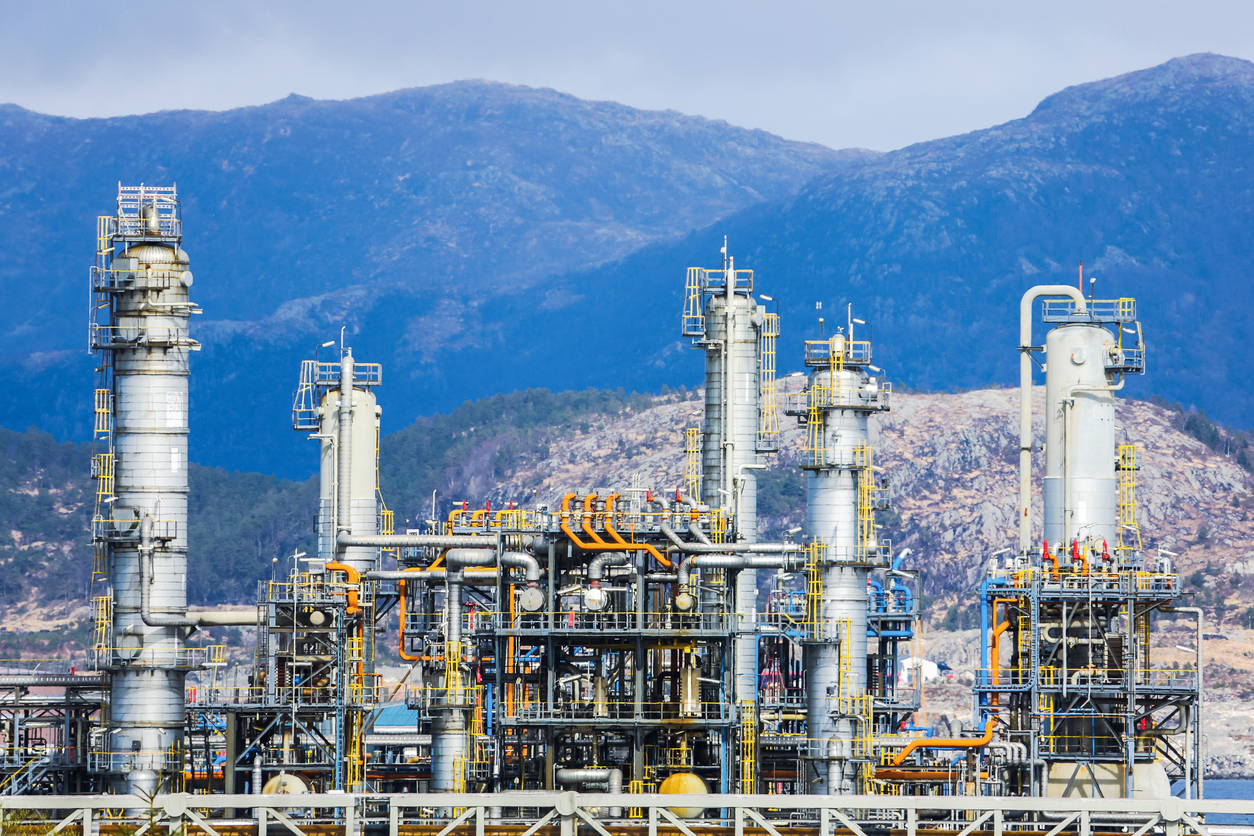
As global awareness of climate change intensifies, industries are seeking innovative solutions to minimize their carbon footprint. Carbon capturing technology has emerged as a promising avenue in this endeavor. Industrial carbon capturing plants are designed to capture carbon dioxide (CO2) emissions from industrial sources, thereby reducing greenhouse gases released into the atmosphere. This article explores the multifaceted benefits of implementing these technologies, their operational processes, and the broader implications for environmental sustainability.
Understanding Carbon Capturing Technology
Carbon capturing plants operate on the principle of capturing CO2 emissions at their source before they can enter the atmosphere. Various methods are employed, including chemical absorption, membrane separation, and cryogenic distillation. These technologies are engineered to be integrated into existing industrial processes with minimal disruption, offering a feasible solution for sectors like energy, manufacturing, and transportation.
Environmental Benefits
The environmental advantages of carbon capturing plants are profound. Some key benefits include:
- Significant reduction in greenhouse gas emissions, contributing to climate change mitigation.
- Enabling industries to meet stringent environmental regulations and carbon emission targets.
- Potential to capture and store CO2 for other uses, such as enhanced oil recovery or conversion into usable products.
Explore further insights here on how carbon capturing can play a critical role in achieving sustainability goals.
Economic Advantages
Beyond environmental impacts, carbon capturing plants offer several economic benefits:
- Creation of new market opportunities in the carbon management sector.
- Reduction of carbon taxes and penalties for industries.
- Potential cost savings from enhanced energy efficiency in industrial processes.
Learn more in this detailed guide about the economic implications and potential cost savings associated with carbon capturing.
Technological Advancements
Continuous advancements in technology are driving the efficiency and effectiveness of carbon capturing systems. Innovations such as:
- Improved materials and solvents for more efficient CO2 capture.
- Integration with renewable energy sources to power carbon capture operations.
- Development of compact and modular systems for easier deployment in diverse industrial settings.
Read more about this topic and discover the latest technological innovations in carbon capturing.
Challenges and Future Prospects
While the benefits are extensive, certain challenges remain. These include the initial investment costs, the need for supportive policy frameworks, and the development of infrastructure for CO2 transport and storage. However, the future of carbon capturing looks promising as:
- Governments and industries collaborate to create conducive environments for carbon capture projects.
- Research and development efforts focus on reducing costs and enhancing system scalability.
- Public awareness and demand for sustainable practices continue to rise.
Find additional information here on how these challenges are being addressed and the bright future of carbon capturing technology.